











Complete Skydiving Rig

€2,300.00
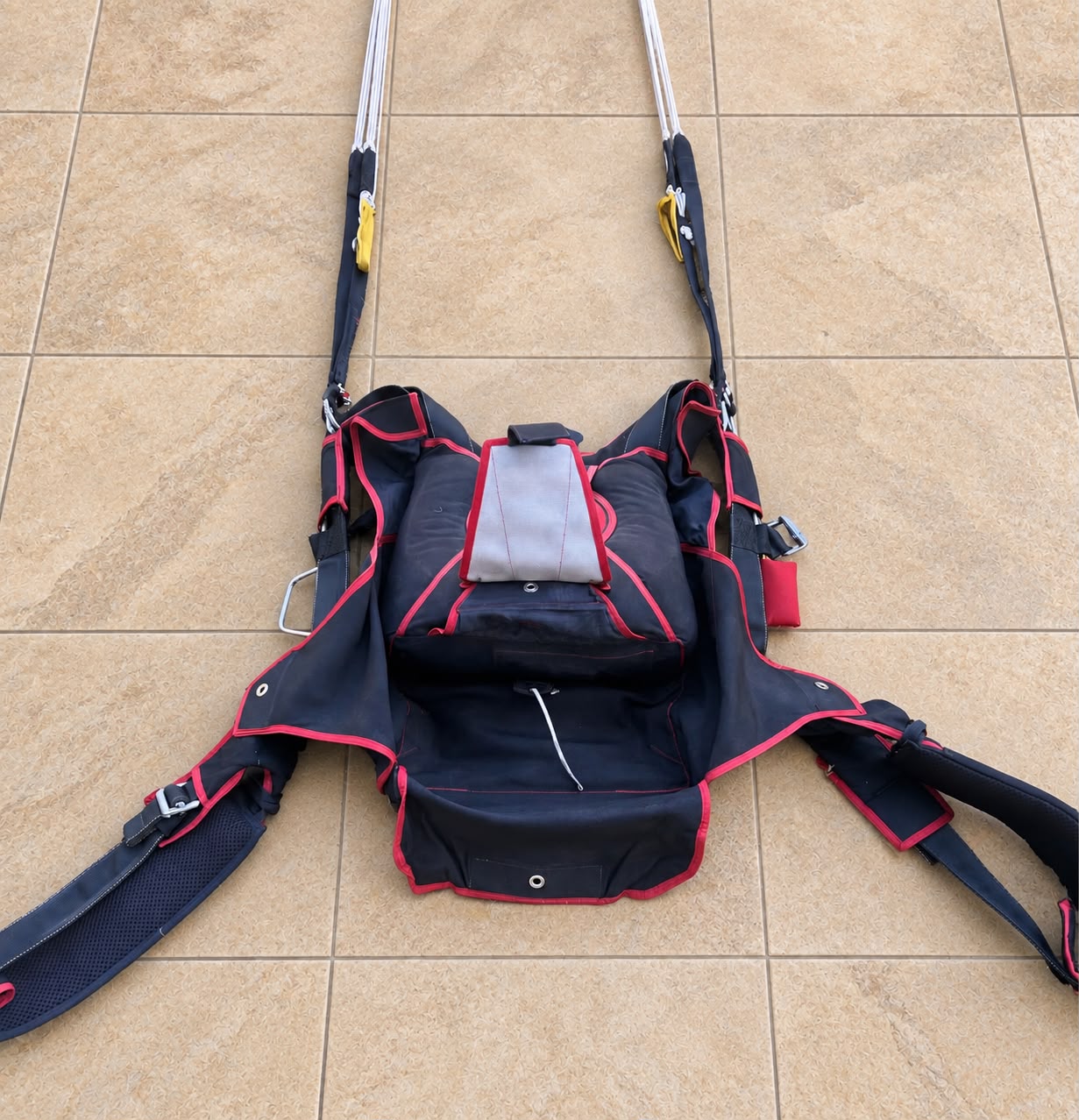
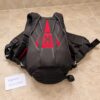
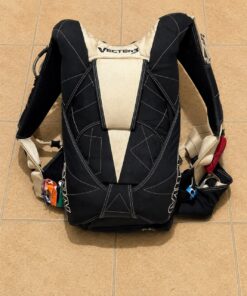
Complete Skydiving Rig – Javelin, Sabre2 210, Precision Raven III & Expert CYPRES 2
This Complete Skydiving Rig is a practical setup for a beginner or newer licensed jumper looking for a larger main canopy, very low reported use, and a recent automatic activation device.
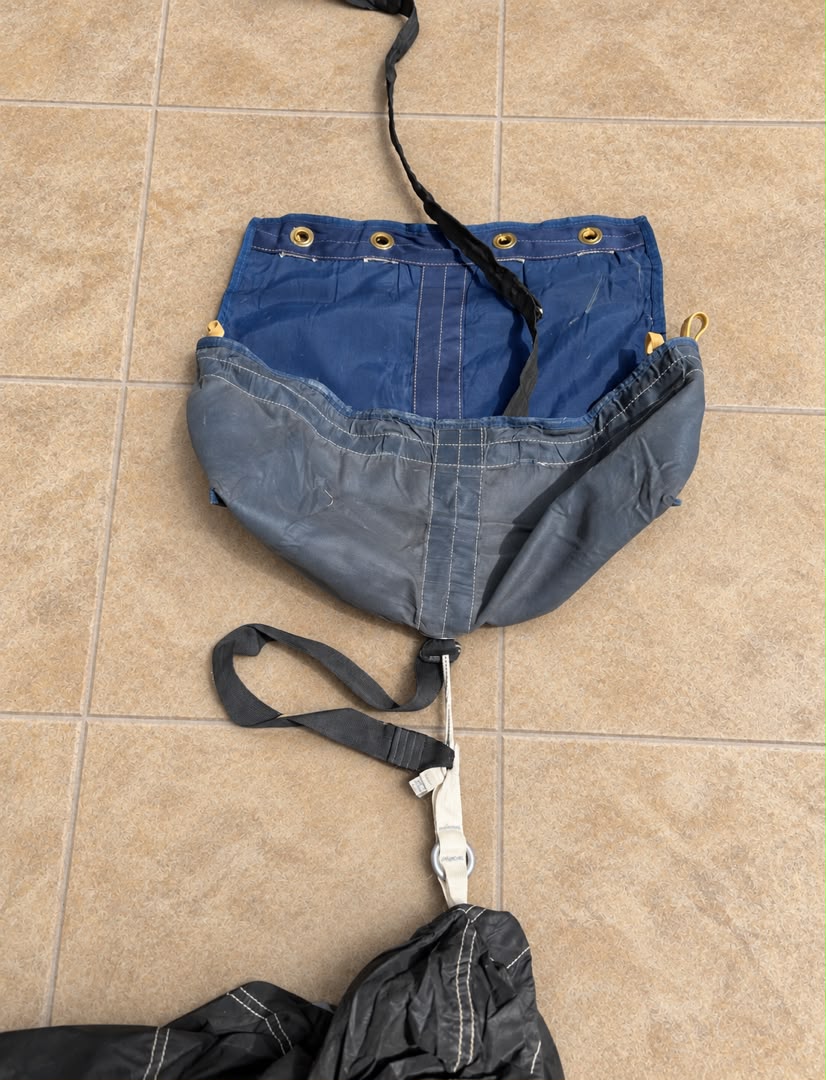
The system includes a Sun Path Javelin container, Sabre2 210 main canopy, Precision Raven III reserve, and Expert CYPRES 2 AAD. It was originally assembled as an extra rig for instructor jumps or situations where a more conservative canopy setup was preferred, but it was reportedly used very little and later stored indoors in a controlled environment.
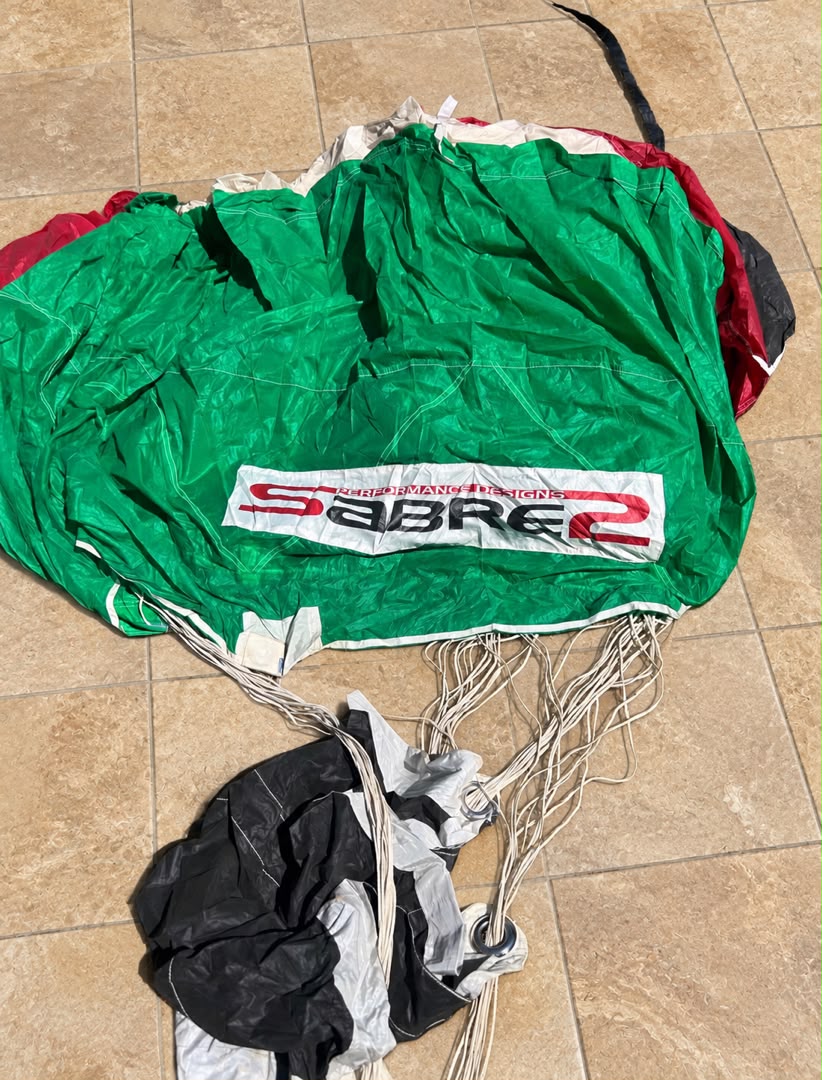
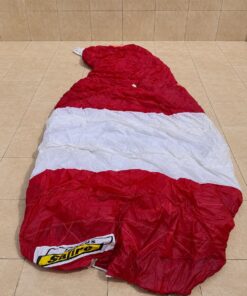
The Sabre2 210 was manufactured in March 2015 and has approximately 30 jumps. It also has a new line set, making it an attractive option for a developing jumper who wants a larger, more manageable main canopy while building confidence and consistency.
The Expert CYPRES 2 was manufactured in January 2024 and has approximately 15 jumps, making it one of the newest major components in the system.
The Sun Path Javelin container was manufactured in August 1996, while the Precision Raven III reserve was manufactured in January 1997. The reserve currently requires a repack before use.
The last stated inspection was completed in March 2024, and the system has reportedly been professionally inspected and considered suitable for continued use. Because the container and reserve are older components, a current inspection and reserve repack should still be completed before the next jump.
Key Details
- Sun Path Javelin container
- Container DOM: August 1996
- Sabre2 210 main canopy
- Main DOM: March 2015
- Approximately 30 jumps on the main
- New main-canopy line set
- Precision Raven III reserve
- Reserve DOM: January 1997
- Reserve requires repack
- Expert CYPRES 2 AAD
- CYPRES DOM: January 2024
- Approximately 15 jumps on the AAD
- Last stated inspection: March 2024
- Stored indoors in a controlled environment
- All available logs, receipts, and documentation included
- Reportedly professionally inspected
Overall, this is a well-documented complete setup with a very low-jump main canopy and a recent CYPRES 2. For an appropriately sized and trained newer jumper, it can provide a practical foundation for personal equipment ownership, provided the reserve is repacked and the entire system is professionally checked for current fit, condition, and serviceability before use.
Complete Skydiving Rig – Javelin Container, Sabre2 210, Precision Raven III Reserve & Expert CYPRES 2
Complete Skydiving Rig Overview
This Complete Skydiving Rig offers a practical configuration for a beginner or newer licensed jumper looking for an established personal system with a large main canopy and a very recent automatic activation device. The package includes a Sabre2 210 main canopy, Sun Path Javelin container, Precision Raven III reserve, and Expert CYPRES 2 AAD.
The rig was originally assembled as an additional system for instructor jumps or situations where a more conservative canopy configuration was preferred. However, it was reportedly used very little and was eventually stored in a controlled indoor environment.
Importantly, all logs, receipts, and available documentation are included, providing the next owner with useful equipment history.
The system has also reportedly been professionally inspected and considered suitable for continued service. However, the reserve currently requires a repack before the rig should be jumped.
Sabre2 210 Main Canopy – Approximately 30 Jumps
The main canopy is a Sabre2 210, manufactured in March 2015, with only approximately 30 jumps.
It also has a new line set, which is particularly relevant when evaluating linewear and overall canopy maintenance.
For a newer jumper, a 210-square-foot main can offer a comparatively conservative platform depending on body weight, total exit weight, training, and experience. Nevertheless, canopy suitability should always be determined individually rather than simply assuming that a larger canopy is appropriate for every jumper.
Anyone using a skydiving downsizing chart should consider it only as one source of guidance. Instructor recommendations, loading, experience, currency, landing ability, and local requirements remain important.
During canopy flight, predictable handling and consistent landings are generally more important than moving quickly toward the smallest canopy possible.
Expert CYPRES 2 – DOM January 2024
A major feature of this system is the Expert CYPRES 2, manufactured in January 2024, with approximately 15 jumps reported on the rig since its installation.
This is a substantially newer component than the container and reserve and gives the system a modern automatic activation device.
People searching for cypress fire skydiving or fire parachute information may actually be referring to CYPRES equipment. In this setup, the installed device is specifically an Expert CYPRES 2.
Its status, settings, installation, cutter arrangement, and documentation should still be checked as part of normal skydiving rigging procedures before returning the system to service.
Sun Path Javelin Container
The container is a Sun Path Javelin, manufactured in August 1996.
Although it is an older container, age alone does not establish equipment condition. Harness webbing, stitching, hardware, deployment components, closing areas, reserve compartment, riser attachment points, and other structural areas should be assessed professionally.
The seller reports that the system has already been professionally inspected and found suitable for use.
For buyers researching the parts of a parachute or container skydive equipment, the container and harness form the structural center of the complete system. Correct fit is therefore just as important as component condition.
Precision Raven III Reserve
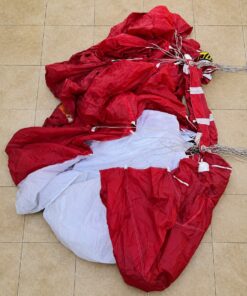
The reserve is a Precision Raven III, manufactured in January 1997.
The most recent stated inspection was completed in March 2024. However, the reserve now requires repacking before use.
Reserve maintenance should never be skipped simply because equipment has been stored carefully. The reserve should be inspected and repacked by an appropriately qualified professional according to the requirements that apply where the system will be used.
Designed as a Practical Extra Rig
This setup was originally assembled as an additional rig for instructor use or lower-visibility situations. In practice, it was reportedly not needed often and therefore accumulated relatively little use.
The system was subsequently stored indoors in a controlled closet environment rather than being exposed continually to sunlight, dirt, moisture, or outdoor conditions.
That history helps explain the very low reported jump numbers on the Sabre2 210.
Personal Equipment and Accessories
A personal skydiving equipment list commonly extends beyond the rig itself.
Depending on the jumper and drop-zone requirements, additional equipment may include a skydiving helmet, skydive helmets, sky helmet skydiving, full face skydiving helmet, skydiving helmet full face, G35 helmet, Cookie G4 helmet, best skydiving helmet, skydiver goggles, skydiving glasses, hook blade knife, hook knife skydiving, skydive hook knife, and gear bag skydive.
People asking can you wear glasses while skydiving should select appropriate goggles or a helmet configuration that safely accommodates prescription eyewear.
Equipment such as a freefly PUD handle, landing flight risers, specialized fly suits, or other accessories should be selected according to training and actual system compatibility.
Different Types of Skydiving
This system is intended around conventional sport-parachuting use. Activities such as tracking jump, CRW skydiving, wingsuit sport, or use with a vector wingsuit may involve additional experience and equipment considerations.
Similarly, base jumping, baseline jumping, and use of a base canopy should not be confused with ordinary sport jumping from aircraft.
Searches involving wingsuit, wing suits for sale, gliding suit wingsuit, skydiving gliding suit, indoor wingsuit, fluid wings, price of wingsuit, or tandem wingsuit relate to separate equipment and disciplines rather than items included with this rig.
Where the Rig May Be Used
Once the reserve has been professionally inspected and repacked, and the complete system has been confirmed appropriate for its next owner, it may be considered for use at suitable sport-parachuting operations according to local requirements.
Searches such as parachute jump Australia, Skydive Byron Bay, Cairns skydiving, Skydive Belize, skydiving Blue Hole Belize, iFly Colorado Springs, new skydive, #skydiving latest, and general skydiving website information can involve substantially different facilities and operating rules.
The weight limit skydiving question should also be addressed individually because canopy loading, harness fit, equipment limits, and total exit weight all matter.
Terms such as nude parachute jump, skydiving nude, speed sky diving, skydiving speed, skydiving tube, jumper pilot, and Safire 3 describe broader topics and are not specifications of this particular system.
Why Consider This Complete Rig?
The strongest features of this package are the very low-jump Sabre2 210, its new line set, the 2024 Expert CYPRES 2, complete documentation, indoor storage history, and reported professional inspection.
For an appropriately sized and trained newer jumper, this combination can offer a practical starting point for personal equipment ownership. Before use, however, the reserve must be repacked and the entire configuration should be confirmed for correct fit, loading, compatibility, and current service status.
Condition, Inspection, Fit, Maintenance, and Practical Ownership
This complete setup should be evaluated as a full system rather than as a group of individual components. The main canopy, container, reserve, and electronic activation device all contribute to the overall function of the equipment, so each part should be considered carefully before the rig is returned to regular use.
The system was originally assembled as an extra rig for instructor-related use or situations where a larger and more conservative main canopy was preferred. In practice, it was reportedly used very little and was later stored indoors in a controlled environment. That history helps explain the relatively low number of jumps on the main canopy and the recent age of the electronic device.
The supplied documentation, receipts, and logs add useful background, while the reported professional inspection provides another positive point. Even so, the reserve still requires a current repack before use, and the entire system should be reviewed again as part of that process.
Overall Condition of the System
The condition of a used rig should always be based on a physical inspection rather than appearance alone.
The container may look clean while certain areas of the harness have experienced long-term loading. Likewise, the main canopy may have a very low jump count while still requiring checks for storage-related issues, contamination, or material aging.
The harness and container should be examined for damaged webbing, weakened stitching, worn hardware, excessive abrasion, contamination, and any evidence of previous repairs.
The reserve compartment, main compartment, riser attachment areas, closing components, handles, and deployment system should also be inspected.
If any previous repair work exists, the buyer should understand what was done and whether the repair remains acceptable.
Main Canopy Condition
The Sabre2 210 was manufactured in March 2015 and reportedly has only about 30 jumps.
That is a very low reported jump count for a main canopy.
In addition, it has a new line set, which may reduce concerns associated with heavily worn or aged lines.
However, the canopy itself should still be examined carefully.
The fabric should be checked for tears, abrasions, burns, stains, damaged stitching, patches, and any unusual material deterioration.
Storage conditions matter because fabric can be affected by heat, moisture, chemicals, prolonged sunlight, or poor handling even when jump numbers remain low.
The slider, attachment points, steering system, connector links, and line configuration should also be reviewed before the canopy is placed back into service.
Reserve Status
The reserve was manufactured in January 1997 and currently requires a repack.
That should be treated as an important requirement rather than a minor maintenance item.
A reserve should not be used simply because it was previously inspected and stored carefully.
During the repack, the rigger should inspect the canopy fabric, suspension lines, stitching, reinforcement areas, deployment components, pilot chute, closing system, and packing data card.
The reserve should also be evaluated in relation to the rest of the system and the person who will use it.
Its age makes documentation and physical condition especially important.
An older reserve may remain serviceable if it has been maintained correctly and passes inspection, but that decision should be made by an appropriately qualified professional.
Electronic Device Condition
The Expert CYPRES 2 was manufactured in January 2024 and has reportedly been associated with approximately 15 jumps.
Compared with the rest of the system, this is a very recent component.
The buyer should still verify its current status, settings, display condition, battery or service information, installation, and documentation.
The cutter arrangement and routing should also be checked as part of the reserve inspection and repack.
Electronic equipment should not simply be considered current because it powers on.
The owner should understand how to operate it correctly and how to recognize any warning or status indication.
Harness Fit for the Next Owner
The condition of the equipment is only one part of deciding whether the rig is suitable.
Harness fit is equally important.
A prospective buyer should try the system on whenever possible.
The main lift web should sit correctly along the torso, the leg straps should remain secure, and the chest strap should fall into a comfortable and appropriate position.
The shoulders should feel supported without excessive pressure.
The jumper should also move while wearing the system.
Sitting, bending, crouching, and adopting common body positions can help reveal whether the harness is too loose, too tight, too long, or too short.
A poor fit can become much more noticeable during deployment.
Suitability of the Main Canopy
The 210-square-foot main can provide a more conservative starting point than a smaller canopy, but size alone does not determine suitability.
Total exit weight, current training, recent activity, landing consistency, and instructor guidance should all be considered.
A newer jumper should be able to control the canopy confidently, plan landing patterns, judge altitude, handle traffic, and perform consistent flares.
The goal should be controlled and repeatable performance.
There is no need to reduce canopy size quickly simply because the jumper owns personal equipment.
A larger canopy that supports good habits can provide more long-term value than an aggressive setup that creates unnecessary difficulty.
Importance of Documentation
The availability of logs, receipts, and equipment documentation is one of the strongest aspects of this setup.
Records can help verify manufacture dates, maintenance history, previous inspections, electronic-device information, and reserve packing history.
They can also provide useful background for the rigger who performs the next inspection.
Documentation should be kept with the system after purchase.
Future repacks, repairs, inspections, and component changes should also be recorded whenever possible.
A clear history helps future owners understand how the equipment has been maintained.
Controlled Storage History
The rig was reportedly stored indoors in a controlled closet environment.
That is preferable to long-term exposure in a vehicle, garage, shed, or other area subject to large temperature swings and humidity changes.
Good storage can help reduce unnecessary deterioration.
However, long periods of storage still justify careful inspection.
Hardware should be checked for corrosion, fabric should be examined for contamination or unusual aging, and deployment components should be confirmed free of damage.
The next owner should continue storing the system in a clean, dry environment away from excessive heat, direct sunlight, chemicals, moisture, and sharp objects.
Preparing the Rig Before First Use
Before the first jump, the reserve should be repacked and the complete system should receive a final inspection.
The owner should confirm that the harness fits correctly, the main canopy remains suitable, the electronic device is operating properly, and all components are assembled correctly.
The jumper should then spend time becoming familiar with the system while on the ground.
Handle locations, harness adjustment, equipment checks, and emergency procedures should all be practiced before entering the aircraft.
The first few jumps should ideally be made under manageable conditions and at a familiar location.
That allows the jumper to focus on how the system feels during exit, freefall, deployment, canopy flight, and landing.
Long-Term Maintenance Responsibilities
Even a low-jump rig requires ongoing maintenance.
The owner should continue monitoring the main canopy, line set, harness, hardware, reserve, and electronic components.
Any change in opening behavior, canopy response, harness condition, or equipment appearance should be investigated.
Small maintenance issues are usually easier to address when they are identified early.
Periodic professional inspection also provides a useful second set of eyes.
Overall Practical Value
This system offers several attractive characteristics: a very low-jump main canopy, a new line set, a recent Expert CYPRES 2, indoor storage history, full documentation, and a reported professional inspection.
At the same time, the older container and reserve make careful inspection and maintenance especially important.
For the right jumper, the system can provide a practical and conservative personal setup.
The best results will come from confirming harness fit, completing the reserve repack, reviewing all documentation, verifying the electronic device, and making sure the canopy matches the jumper’s current experience and total exit weight.
Real-World Use, Handling, Progression, Storage, and Long-Term Reliability
This complete setup offers a practical configuration for someone who wants a personal system with a larger main canopy, very low reported use, recent electronic safety equipment, and complete supporting documentation. Its strongest appeal comes from the combination of a low-jump main canopy, a newer activation device, controlled storage history, and a setup that was originally assembled for conservative use rather than aggressive performance.
The next owner should still approach the system carefully. The container and reserve are considerably older than the main canopy and activation device, so professional inspection, reserve repacking, correct harness fit, and realistic assessment of personal experience remain essential before regular use.
Real-World Use and Familiarity
One of the main advantages of owning a complete personal system is consistency.
When a jumper uses the same harness, container, main canopy, reserve configuration, and handle layout repeatedly, the equipment becomes familiar. That familiarity can improve confidence and make routine checks easier because the owner knows how the system should normally look and feel.
The position of the handles becomes predictable.
Harness adjustment becomes routine.
The jumper also becomes familiar with how the main canopy opens, how much control input it requires, and how it responds during approach and landing.
This consistency can reduce unnecessary variation between jumps.
However, familiarity should never replace careful inspection. Even equipment that has been used very little should be checked before every jump.
Main Canopy Handling
The main canopy has a reported jump count of approximately 30 and has been fitted with a new line set.
That combination can be attractive to someone looking for a system with relatively limited use.
A 210-square-foot main can provide manageable characteristics for many developing jumpers, depending on body weight and total exit weight.
The actual handling should still be considered individually.
A lighter jumper may experience more relaxed performance, while a heavier jumper may produce greater loading and stronger response.
The jumper should understand how the canopy behaves during straight flight, turns, approach planning, flare, and landing.
The goal should be repeatable and predictable control.
Progression Without Pressure
A common mistake in personal equipment ownership is treating canopy size as a measure of progress.
Skill development should not be defined only by moving to smaller equipment.
A jumper can improve significantly while remaining on the same canopy.
Landing accuracy, flare timing, pattern planning, traffic awareness, wind judgment, emergency preparation, and overall consistency can all improve without changing size.
For a newer jumper, staying on a larger main for an appropriate period can help develop stronger habits.
There is no benefit in changing equipment before the current setup has been mastered.
Progression should be based on demonstrated skill and professional guidance rather than impatience.
Reserve Readiness
The reserve currently requires repacking.
This should be completed before the system is used.
The repack provides an opportunity for the rigger to inspect the reserve canopy, deployment components, lines, stitching, pilot chute, closing system, and documentation.
Because the reserve was manufactured in 1997, physical condition is especially important.
Age does not automatically make a reserve unusable, but older equipment should be evaluated carefully.
The inspection should determine whether the material, stitching, and associated components remain suitable for continued service.
The reserve should also be appropriate for the jumper’s body weight and overall system configuration.
Electronic Safety Equipment
The activation device was manufactured in January 2024 and has reportedly seen approximately 15 jumps.
That makes it one of the newest major components in the setup.
The device should still be checked before use.
The owner should confirm the display, settings, service information, installation, cutter position, and operating condition.
The user should also know how to turn the device on correctly and verify that it has completed its startup sequence.
Any warning indication should be investigated before jumping.
Electronic safety equipment adds another layer of protection, but it should not replace normal awareness or emergency training.
Harness Comfort During Use
Harness fit affects every part of a jump.
A well-fitting harness should feel secure without restricting movement.
The main lift web should follow the torso correctly, the leg straps should sit properly, and the shoulder area should provide support.
A harness that is too large can move excessively.
A harness that is too small can create pressure and discomfort.
These issues may become more noticeable during deployment or after several jumps in one day.
A prospective owner should therefore spend time wearing the system on the ground before deciding that the fit is correct.
First Jumps After Purchase
The first jumps on newly acquired equipment should be approached carefully.
The owner should first become familiar with the system while on the ground.
All handles should be identified and practiced.
Harness adjustment should become familiar.
Emergency procedures should be rehearsed while wearing the actual equipment.
This preparation helps transfer training into the exact system that will be used.
The first jump should ideally take place in manageable conditions at a familiar location.
That allows the jumper to focus on the equipment rather than simultaneously dealing with unfamiliar surroundings or challenging weather.
Packing Consistency
A low-jump main canopy still benefits from careful and consistent packing.
The new line set should be monitored during use, especially during the early period after installation.
Opening characteristics should be observed over time.
If the canopy begins opening differently, the cause should be investigated.
Changes can result from packing technique, line condition, body position, slider position, or other factors.
The owner should avoid assuming that unusual openings are normal.
A professional opinion can help identify whether a change is related to maintenance or technique.
Controlled Storage
The system was reportedly stored in a controlled closet environment.
This is generally preferable to storage in areas exposed to large temperature changes, sunlight, moisture, fuel, chemicals, or dirt.
The next owner should continue using similar storage practices.
The rig should be kept clean and dry.
Prolonged exposure to heat should be avoided.
Leaving the system inside a hot vehicle for extended periods is not ideal.
If the equipment becomes wet, heavily soiled, or exposed to contaminants, professional advice should be obtained before regular use resumes.
Transportation and Travel
Transporting the system should be done carefully.
A protective equipment bag can help reduce abrasion and contamination.
The rig should not be placed where sharp objects, tools, liquids, or heavy items can damage it.
When traveling, the owner should keep documentation accessible.
After the equipment has been transported, a visual inspection should be completed before use.
This is especially important when the system has been handled by other people during travel.
Monitoring the Main Canopy and Line Set
Even though the main canopy has relatively few jumps, it should still be monitored regularly.
Fabric condition, stitching, attachment points, slider components, steering lines, and connectors should all be checked.
The new line set should also be observed as it settles into regular use.
Any unusual wear should be addressed early.
Preventive maintenance is often easier than waiting for a component to deteriorate significantly.
The owner should also keep records of future line work or repairs.
Long-Term Ownership Responsibility
Owning personal equipment means taking responsibility for its condition over time.
The owner should keep the existing logs and receipts organized and continue adding new maintenance records.
Reserve repacks, inspections, electronic-device information, repairs, and component changes should all be documented.
Good records help establish a clear history.
They can also make future maintenance easier because the rigger can see what work has already been completed.
Older Components and Continued Service
The container and reserve were manufactured in the 1990s.
This makes professional inspection particularly important.
Older equipment can remain serviceable when it has been stored correctly and maintained carefully, but continued use should depend on condition rather than assumptions.
Webbing, stitching, hardware, fabric, deployment components, and previous repairs should all be examined.
A buyer should be prepared for the possibility that an older component may eventually require repair or replacement.
That should be considered part of long-term ownership planning.
Overall Practical Use
This complete system combines an older but reportedly inspected harness and reserve with a very low-jump main canopy and a recent electronic safety device.
That mixture gives it a distinctive ownership profile.
The newer components provide clear value, while the older parts require careful inspection and maintenance.
For the right newer jumper, the 210-square-foot main can offer a practical platform for developing consistency and confidence.
The system’s low reported use and controlled storage history are additional positives.
However, the reserve repack must be completed before use, and the entire setup should be checked for correct fit and continued serviceability.
When those steps are completed carefully, the rig can provide a useful personal platform for regular jumping, skill development, and long-term equipment familiarity.
Buyer Suitability, Equipment Evaluation, Safety Preparation, and Long-Term Value
This complete setup offers a distinctive combination of low use, conservative canopy sizing, recent electronic equipment, older structural components, and extensive documentation. For the right buyer, those characteristics can make the system appealing because much of the equipment history is known and the main canopy has seen very limited use. At the same time, the age of the container and reserve means the system should be approached with care and evaluated professionally before it is placed back into regular service.
A buyer should focus on the complete picture rather than one attractive specification. The low jump count on the main canopy is valuable, but it does not remove the need to inspect the harness, container, reserve, deployment components, and associated hardware. Likewise, the recent electronic device is a strong point, but it should still be checked for correct status and installation.
Who This Setup May Suit
This rig may be particularly suitable for a newer licensed jumper who is ready to move into personal equipment but does not want to begin with a smaller or more demanding main canopy.
The 210-square-foot main can offer a more forgiving platform for many jumpers, depending on total exit weight and experience. It may also appeal to someone who values stability, consistency, and a gradual approach to skill development.
However, the correct buyer should not be determined by jump numbers alone.
Current skill level matters.
A person who has recently completed training and remains active may be better prepared than someone with a higher total jump count who has been away from the sport for a long period.
Recent activity, landing consistency, decision-making, and instructor feedback should all be considered.
Evaluating the Main Canopy
The main canopy was manufactured in March 2015 and has approximately 30 reported jumps.
That is unusually low use for a canopy of its age.
The new line set adds another useful element because lines are one of the parts most directly affected by repeated use.
Nevertheless, the main canopy should still be evaluated carefully.
A canopy may have very few jumps yet still be affected by storage conditions, contamination, or age-related material changes.
The inspection should include the fabric, seams, attachment points, slider, steering system, connector components, and the condition of the new lines.
The buyer should also ask whether the line replacement was documented and whether the installation was completed professionally.
These details can help provide a clearer picture of the canopy’s current condition.
Understanding the Container
The container was manufactured in August 1996.
That makes it significantly older than the main canopy and electronic device.
Age by itself does not determine whether a container is usable, but it does increase the importance of a detailed inspection.
The harness webbing should be checked for wear, fading, stiffness, contamination, or unusual damage.
Stitching should be examined closely.
Metal hardware should be checked for corrosion or deformation.
High-load areas should receive particular attention because these sections experience repeated stress during deployment.
The reserve compartment, main compartment, riser areas, closing components, handles, and other structural parts should also be reviewed.
A buyer should not assume that an older container is unsuitable, but continued use should be based on condition rather than appearance.
Reserve Evaluation
The reserve was manufactured in January 1997 and currently requires a repack.
This is one of the most important items to address before the system is used.
A reserve repack is not simply a routine administrative step. It gives the rigger an opportunity to inspect the canopy and related deployment components thoroughly.
The fabric, suspension lines, stitching, attachment points, pilot chute, closing arrangement, and packing records should all be reviewed.
Because the reserve is older, the inspection should be especially careful.
The buyer should also confirm whether any previous repairs or unusual findings appear in the records.
If the reserve passes inspection and remains within acceptable condition, that information should be documented.
Electronic Device Verification
The Expert CYPRES 2 was manufactured in January 2024 and reportedly has approximately 15 jumps.
This is one of the strongest features of the setup because it is much newer than the container and reserve.
Even so, the device should not be treated as automatically ready simply because of its age.
Its installation should be checked during the reserve work.
The cutter placement, routing, control-unit position, display condition, and operating status should all be verified.
The owner should also understand the device’s startup sequence and how to recognize normal status.
Any warning message or unusual behavior should be investigated before the rig is used.
Harness Fit and Body Compatibility
A complete rig can be technically sound and still be unsuitable for a particular body.
Harness fit should therefore be evaluated before purchase.
The system should sit securely around the torso and legs without excessive movement or pressure.
The leg straps should remain properly positioned.
The shoulder area should feel stable.
The chest strap should sit where expected and allow normal movement.
The prospective owner should wear the rig for more than a few minutes.
Sitting, crouching, standing, and moving through normal body positions can reveal problems that are not obvious while standing still.
If the harness feels too long, too short, too loose, or too restrictive, a professional should assess whether adjustment is practical.
Planning the First Jumps
Once the reserve has been repacked and the entire system has been inspected, the next owner should take a conservative approach to the first few jumps.
The jumper should spend time on the ground learning the exact equipment.
Handle locations should be practiced.
Harness adjustments should be understood.
Normal checks should become familiar.
Emergency procedures should also be rehearsed while wearing the rig.
The first jumps should ideally be made under manageable weather conditions and at a familiar location.
This helps reduce unnecessary variables.
The jumper can then focus on understanding how the system feels during exit, freefall, deployment, and landing.
Building Skill on a Larger Main
A 210-square-foot main can provide a useful platform for developing consistent skills.
The jumper can focus on accurate pattern planning, smooth turns, flare timing, traffic awareness, and predictable landings.
There is no requirement to move quickly to smaller equipment.
Remaining on a manageable canopy can help build stronger habits.
Progression should be based on demonstrated ability.
A jumper who consistently lands well, manages traffic safely, and handles changing conditions may eventually discuss future equipment changes with qualified instructors.
However, the current canopy should remain in use for as long as it continues to match the jumper’s weight and ability.
Storage and Preservation
The system was reportedly stored in a controlled indoor closet environment.
That history is encouraging because it reduces exposure to many conditions that can accelerate equipment deterioration.
The next owner should continue using similar storage practices.
The rig should be kept dry and clean.
It should be protected from direct sunlight, high heat, moisture, chemicals, and sharp objects.
Prolonged storage inside a hot vehicle should be avoided.
If the system becomes wet or contaminated, it should be assessed before being returned to normal storage.
Documentation as an Ownership Advantage
The availability of logs, receipts, and documentation is a meaningful advantage.
These records can help verify manufacture dates, equipment changes, inspections, maintenance history, and the installation of newer components.
The buyer should preserve these records and continue adding future information.
Reserve repacks, inspections, line replacement, repairs, and electronic-device work should all be documented.
Clear records make long-term maintenance easier and can improve confidence if the equipment is eventually sold.
Long-Term Cost Planning
A complete rig should be evaluated in terms of total ownership cost rather than purchase price alone.
The buyer should account for the immediate reserve repack, professional inspection, future maintenance, repairs, electronic-device servicing, and eventual replacement of aging components.
The older container and reserve may require additional attention over time.
That does not necessarily reduce the value of the system, but it should be part of realistic planning.
A buyer who understands these costs before purchase is less likely to encounter unexpected expenses.
Overall Value of the Setup
This rig combines a low-jump Sabre2 210 with a new line set, a recent Expert CYPRES 2, an older Javelin container, an older reserve, controlled storage history, and complete documentation.
That combination may be particularly attractive to a buyer who values a larger main canopy and wants a system with known history.
The key requirement is careful evaluation.
The reserve must be repacked, the older structural components should be inspected, the harness must fit correctly, and the electronic device should be verified.
When those steps are completed properly, the system can offer a practical platform for continued training, consistent personal-equipment use, and responsible long-term ownership.
Be the first to review “Complete Skydiving Rig”
Related products
used products
used products


used products
used products

used products
used products
Reviews
There are no reviews yet.