


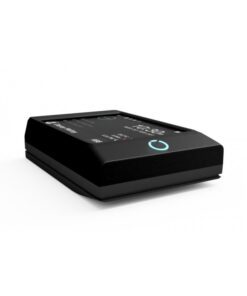

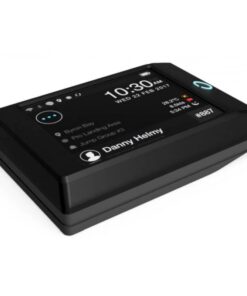

Dekunu One Smart Altimeter Wingsuit Edition
What Is the Dekunu One Smart Altimeter Wingsuit Edition?
The Dekunu One Smart Altimeter Wingsuit Edition is a specialized electronic altimeter designed for skydivers and wingsuit pilots who require detailed digital information during their jumps. Rather than functioning solely as a conventional altitude instrument, the Dekunu One Smart Altimeter Wingsuit Edition is designed around a broader concept of digital flight information, allowing altitude awareness and jump data to become part of a connected equipment system.
For experienced users, this type of technology can provide useful information before, during, and after a jump. The Dekunu One Smart Altimeter Wingsuit Edition is particularly relevant to wingsuit sport because wingsuit flying involves substantial horizontal movement, changing flight characteristics, specialized separation procedures, and increased emphasis on understanding the complete flight profile.
The instrument can therefore be considered alongside equipment such as a skydiving helmet, skydive helmets, a parachute rig, wingsuit, visual altimeter, goggles, and other appropriately selected skydiving equipment.
Why Use the One Smart Altimeter Wingsuit Edition?
The primary reason to use the Dekunu One Smart Altimeter Wingsuit Edition is to add advanced digital information to an established altitude-awareness system.
During a wingsuit flight, the pilot may be focused on body position, heading, traffic, terrain, formation movement, separation, and deployment preparation. A digital instrument can provide additional information without requiring the jumper to depend entirely on traditional analog equipment.
The One Smart Altimeter Wingsuit Edition is therefore aimed at users who want more information from their jumping equipment than a simple altitude display can provide.
It should, however, be used as supplementary equipment. Proper training, visual awareness, established emergency procedures, and appropriate parachute equipment remain essential.
Why the Wingsuit Edition Matters
Wingsuit flying differs substantially from conventional freefall.
The wingsuit changes the aerodynamic profile of the jumper and allows significant forward movement during flight. Because of this, altitude awareness must be combined with awareness of distance, direction, other participants, and the planned flight path.
The Dekunu One Smart Altimeter Wingsuit Edition is intended to address the requirements of users operating within this specialized environment.
A dedicated wingsuit-oriented configuration can be particularly useful for experienced participants who need their electronic equipment to fit naturally into a specialized flight routine.
Where Can the One Smart Altimeter Wingsuit Edition Be Used?
The Dekunu One Smart Altimeter Wingsuit Edition can be relevant wherever appropriately trained skydivers and wingsuit pilots conduct legal and organized jumping activities.
That can include established drop zones and specialized wingsuit operations.
Someone researching a parachute jump Australia, Skydive Byron Bay, Cairns skydiving, Skydive Belize, or another destination may encounter different local procedures, aircraft types, weather conditions, and operating environments.
The instrument does not replace those local procedures. Instead, it can form part of the user’s personal equipment configuration.
Wingsuit Sport and Flight Awareness
The wingsuit sport requires a strong understanding of three-dimensional movement.
A wingsuit pilot must consider altitude while also maintaining awareness of forward speed, horizontal movement, separation, and the position of other jumpers.
The One Smart Altimeter Wingsuit Edition can contribute additional digital information to this process.
This can be particularly useful when a jumper is reviewing previous flights and attempting to understand how different body positions, flight paths, and conditions affected the overall jump.
Tracking Jump and Horizontal Movement
A tracking jump also involves significant horizontal movement.
Although tracking and wingsuit flight are different disciplines, both demonstrate why altitude should be considered together with direction and separation.
The One Smart Altimeter Wingsuit Edition can provide a digital reference while the jumper concentrates on the movement required by the planned activity.
The device should never be used as a substitute for visual separation procedures.
Understanding Altitude Information
Altitude information is one of the most important functions of any skydiving altimeter.
A digital instrument measures and displays information electronically rather than relying on the mechanical mechanism used by traditional analog instruments.
The One Smart Altimeter Wingsuit Edition provides a modern approach to altitude awareness and can form part of a broader system involving visual and audible references.
The jumper should understand exactly what the displayed information represents before relying on it during a jump.
Skydiving Helmet Compatibility
Helmet integration is an important consideration.
A skydiving helmet provides protection and can also accommodate electronic equipment.
The One Smart Altimeter Wingsuit Edition should be installed in a manner that does not interfere with helmet operation, visibility, comfort, emergency procedures, or other equipment.
Users considering a full face skydiving helmet, skydiving helmet full face, G35 helmet, Cookie G4 helmet, or another helmet configuration should consider how the instrument fits into their specific setup.
Skydiving Glasses and Goggles
Visual equipment is another important component of a complete setup.
Skydiving glasses and skydiver goggles should provide appropriate visibility without interfering with the instrument or helmet.
The question of can you wear glasses while skydiving depends on the individual’s equipment and helmet configuration.
The Dekunu One Smart Altimeter Wingsuit Edition does not replace visual equipment. Instead, it operates alongside the jumper’s complete equipment system.
Parachute Rig Integration
The parachute rig remains the primary parachute system and includes multiple components that must work together.
A typical container skydive configuration can include the container, main canopy, reserve canopy, deployment system, and associated hardware.
The Dekunu One Smart Altimeter Wingsuit Edition is an electronic instrument that complements this equipment rather than becoming part of the parachute deployment system itself.
Its installation should never obstruct handles, cables, emergency systems, or access to essential equipment.
Parts of a Parachute and Electronic Equipment
Understanding the parts of a parachute is important for anyone using additional equipment around a rig.
The jumper should know the location and purpose of the main deployment system, reserve system, cutaway and reserve handles where applicable, harness and container components, and other relevant equipment.
The Dekunu One Smart Altimeter Wingsuit Edition should be positioned so that none of these systems are compromised.
Canopy Flight
Once the parachute has deployed, the flight environment changes considerably.
The jumper must transition from freefall awareness to canopy awareness.
The Dekunu One Smart Altimeter Wingsuit Edition can remain part of the equipment configuration during canopy flight, but the jumper must continue to observe other canopies, traffic, wind, obstacles, and the landing area.
Electronic information should supplement, rather than replace, visual observation.
Smallest Canopy and Downsizing Considerations
Canopy selection is a specialized subject.
Searches for a skydiving downsizing chart or smallest canopy should never be interpreted as a universal recommendation because canopy choice depends on experience, wing loading, canopy characteristics, training, and other factors.
The Dekunu One Smart Altimeter Wingsuit Edition does not determine an appropriate canopy size.
Its role is related to information and altitude awareness rather than making equipment-selection decisions.
Landing Flight Risers
Landing flight risers and canopy-control equipment are part of the parachute system and require appropriate training.
The Dekunu One Smart Altimeter Wingsuit Edition can provide digital altitude information while the jumper concentrates on canopy control, but the instrument should not distract from the actual landing environment.
Skydiving Speed
Speed is an important part of understanding a jump.
Conventional freefall, tracking, wingsuit flight, and canopy flight all involve different flight characteristics.
The Dekunu One Smart Altimeter Wingsuit Edition is particularly relevant to users who want more comprehensive information about their flight rather than simply viewing a single altitude number.
Wingsuit Flight Information
A wingsuit creates lift and allows the jumper to travel forward efficiently compared with conventional bodyflight.
The Dekunu One Smart Altimeter Wingsuit Edition is therefore particularly relevant to people searching for information about a gliding suit wingsuit, skydiving gliding suit, fly suits, or other wingsuit equipment.
The device can be incorporated into a broader flight-analysis approach where appropriate.
Vector Wingsuit and Specialized Wingsuit Equipment
A vector wingsuit represents one example of specialized wingsuit equipment.
Different wingsuits have different flight characteristics, dimensions, inflation behavior, and performance requirements.
The Dekunu One Smart Altimeter Wingsuit Edition should therefore be configured and used according to the actual wingsuit and discipline being flown.
Fluid Wings
Users interested in fluid wings and other specialized wingsuit equipment should recognize that equipment differences can influence flight behavior.
The Dekunu One Smart Altimeter Wingsuit Edition provides information, but it does not replace instruction in the specific wingsuit being used.
Wing Suits for Sale and Equipment Selection
People searching for wing suits for sale, price of wingsuit, or other wingsuit equipment should evaluate the entire equipment system rather than considering an altimeter in isolation.
The Dekunu One Smart Altimeter Wingsuit Edition should be selected as part of an appropriately configured system.
Compatibility, installation, visibility, usability, and the jumper’s experience all matter.
CRW Skydiving
CRW skydiving is a specialized discipline involving canopy formations and close proximity between parachutes.
The Dekunu One Smart Altimeter Wingsuit Edition can provide additional altitude information, but CRW requires discipline-specific training and procedures.
The instrument should never be considered a substitute for those procedures.
Base Jumping and Baseline Jumping
Base jumping and baseline jumping involve different operational environments from conventional drop-zone skydiving.
A specialized electronic altimeter should only be used within the manufacturer’s intended operating conditions and the user’s appropriate training.
The Dekunu One Smart Altimeter Wingsuit Edition should not be assumed to provide all information necessary for activities outside its intended operating environment.
Hook Knife and Emergency Equipment
A hook blade knife, hook knife skydiving, or skydive hook knife may be included in some specialized equipment configurations.
These tools have different purposes from an electronic altimeter.
The Dekunu One Smart Altimeter Wingsuit Edition does not replace emergency cutting equipment or other required safety equipment.
Any emergency tool should be positioned and maintained according to appropriate training and equipment procedures.
Skydiving Rigging
Proper skydiving rigging is essential.
Electronic equipment should never interfere with rigging, parachute deployment systems, reserve access, or emergency handles.
The Dekunu One Smart Altimeter Wingsuit Edition should therefore be incorporated only in a manner compatible with the complete rig.
Gear Bag and Equipment Management
A gear bag skydive setup may contain numerous pieces of equipment.
These can include the parachute system, helmet, jumpsuit, goggles, altimeter, audible device, camera equipment, tools, and other accessories.
The Dekunu One Smart Altimeter Wingsuit Edition should be protected from unnecessary impacts while being transported.
Good equipment organization also makes pre-jump inspections easier.
Skydiving Equipment List
A general skydiving equipment list can include:
Parachute system
Reserve system
Helmet
Visual altimeter
Audible altimeter where appropriate
Goggles
Jumpsuit or wingsuit
Emergency equipment
Gear bag
Other discipline-specific accessories
The Dekunu One Smart Altimeter Wingsuit Edition represents one electronic component within this broader equipment ecosystem.
Indoor Wingsuit and Training Environments
The growth of indoor flight training has created new opportunities for learning bodyflight concepts.
Indoor wingsuit environments can help experienced participants develop certain movement concepts under controlled conditions.
However, an indoor environment does not reproduce every aspect of an outdoor wingsuit jump.
The Dekunu One Smart Altimeter Wingsuit Edition should therefore be understood as outdoor skydiving equipment rather than a replacement for specialized indoor training systems.
Tandem Wingsuit
A tandem wingsuit is not the same as conventional tandem skydiving equipment.
Wingsuit activities require specialized knowledge, training, and equipment.
The Dekunu One Smart Altimeter Wingsuit Edition should be used only within an appropriately qualified and trained operating environment.
Jumper Pilot
The term jumper pilot can describe a person who combines flight awareness with specialized movement and equipment management.
The Dekunu One Smart Altimeter Wingsuit Edition can provide additional information to a jumper who needs to maintain awareness across multiple dimensions of flight.
However, technology remains supplementary to training.
Canopy Flight and Landing Awareness
The transition from wingsuit or freefall flight to canopy flight is a critical stage of the jump.
Once under canopy, the jumper must immediately establish canopy control and assess the surrounding environment.
The Dekunu One Smart Altimeter Wingsuit Edition can provide digital altitude information during this stage, but the jumper remains responsible for visually identifying traffic and managing the canopy.
Why Precision Matters
Precision matters because skydiving involves rapidly changing altitude and flight conditions.
An instrument must provide information in a form that the user can understand quickly.
The Dekunu One Smart Altimeter Wingsuit Edition is intended for users who want digital information integrated into their jumping routine.
Its value therefore comes not only from the technology itself but also from how effectively the jumper understands and incorporates the information.
How Good Is the Dekunu One Smart Altimeter Wingsuit Edition?
The usefulness of the Dekunu One Smart Altimeter Wingsuit Edition depends on the user’s requirements.
For a jumper who wants only a basic visual altitude reference, a simpler instrument may provide everything necessary.
For an experienced wingsuit pilot interested in digital information, flight awareness, and electronic equipment integration, a smart altimeter can provide substantially more functionality.
The important consideration is not simply the number of features but whether those features support the user’s established procedures.
When Should It Be Used?
The Dekunu One Smart Altimeter Wingsuit Edition should be used when the jumper is appropriately trained, the equipment has been correctly installed, the instrument has been checked, and its operation is understood.
Settings should be reviewed before each jump.
The user should also verify that the instrument is compatible with the helmet and other equipment being used.
Important Information Before Use
Before using the Dekunu One Smart Altimeter Wingsuit Edition, the user should understand its controls, display, operating limitations, installation requirements, and relationship with other equipment.
The device should not be treated as a replacement for visual altitude awareness or established emergency procedures.
Any uncertainty should be resolved on the ground before jumping.
Overall Product Position
The Dekunu One Smart Altimeter Wingsuit Edition is designed around the needs of modern skydivers who want digital technology incorporated into their jumping equipment.
Its wingsuit-focused positioning makes it particularly relevant to users interested in advanced flight activities.
Whether considered alongside a wingsuit, vector wingsuit, fluid wings, specialized canopy equipment, or a complete skydiving rig, the instrument should be treated as one component within a carefully configured system.
The combination of digital altitude information and smart equipment functionality makes the Dekunu One Smart Altimeter Wingsuit Edition a specialized choice for trained users seeking a more connected approach to skydiving information.
For activities ranging from wingsuit flight and tracking to appropriately configured freefall and canopy operations, the instrument can provide useful supplementary information while the jumper remains responsible for maintaining visual awareness, following training, and operating all equipment correctly.
Smart Flight Information, Wingsuit Applications, Operation, Display, and Practical Use
The Dekunu One Smart Altimeter Wingsuit Edition is designed around the idea that modern skydiving equipment can provide considerably more information than a conventional altitude instrument. Rather than focusing exclusively on a single altitude reading, the device is intended to form part of a broader digital approach to understanding a jump.
For an experienced jumper, this can be particularly valuable during activities where attention is divided between altitude, movement, direction, separation, body position, and the surrounding environment. Wingsuit flight is an excellent example because the jumper is not simply descending vertically. Instead, the flight involves substantial forward movement and requires continuous awareness of the three-dimensional environment.
The instrument therefore has a role within a carefully planned equipment system. It should provide additional information without becoming a distraction, and it should always complement established procedures rather than replace them.
Understanding the Smart Altimeter Concept
A conventional altimeter generally provides one principal piece of information: altitude. A smart electronic instrument can provide a broader information experience by combining altitude awareness with digital processing and other information relevant to the jump.
The Dekunu One Smart Altimeter Wingsuit Edition is intended for users who appreciate this additional level of information.
The concept is particularly useful for jumpers who review their flights after landing. Instead of relying entirely on memory, the user can incorporate information from the instrument into their overall understanding of the jump.
This can be useful for training, personal analysis, and documenting progression.
However, information should always be interpreted within context. A recorded flight profile cannot explain every movement made by the jumper or every environmental factor encountered during the jump.
Preparing the Instrument Before a Jump
Preparation should begin well before boarding the aircraft.
The user should become familiar with the instrument while on the ground, confirm that it is functioning correctly, and make sure the selected configuration corresponds to the intended activity.
A good preparation routine should include checking the physical condition of the device, confirming power, reviewing the display, verifying the installation, and ensuring that the instrument is positioned correctly.
If the jumper uses different equipment configurations for different disciplines, each configuration should be checked separately.
A device that has been configured for one type of activity should not simply be assumed to be appropriate for another.
Understanding the Display
A digital display provides information in a different way from an audible warning.
The user can visually inspect the instrument during appropriate stages of equipment preparation and, depending on the installation, during flight.
The display should be easy for the user to understand without requiring unnecessary interaction.
Before jumping, the user should know what the displayed information means and how the different screens or functions relate to the intended activity.
This familiarity is important because an unfamiliar interface can create unnecessary distraction.
Digital Information During Wingsuit Flight
Wingsuit flight involves multiple dimensions of movement.
The jumper may be moving forward rapidly while simultaneously descending. Heading, position, separation, and traffic must all be considered.
An electronic instrument can provide another source of information during this process.
The Dekunu One Smart Altimeter Wingsuit Edition can therefore be incorporated into a wingsuit pilot’s broader awareness strategy.
The instrument should not, however, become the primary focus of attention. The surrounding airspace remains more important than any individual electronic display.
Maintaining Visual Awareness
No digital instrument can replace the jumper’s ability to observe the environment.
During wingsuit flight, visual awareness is particularly important because participants can cover substantial distances.
The jumper needs to recognize other participants, maintain appropriate separation, monitor the intended flight path, and prepare for the transition toward deployment.
The instrument can supplement this awareness by providing additional information.
The most effective approach is therefore to use technology without allowing it to interfere with visual scanning.
Flight Planning
The usefulness of a smart instrument begins before the aircraft leaves the ground.
A wingsuit flight should have a clear objective and an established plan.
The jumper should understand the intended direction, formation arrangement where applicable, separation requirements, deployment plan, and landing considerations.
The instrument can then be configured as part of that plan.
This approach is preferable to changing settings casually after boarding or attempting to learn unfamiliar functions during the jump.
Different Types of Wingsuit Flight
Not every wingsuit jump has the same requirements.
A solo flight can involve different considerations from a large formation.
A performance-oriented flight can differ from a training jump.
A navigation-focused flight can differ from a recreational flight.
The One Smart Altimeter Wingsuit Edition can be considered within these different contexts, but the user must ensure that the configuration and equipment arrangement are suitable for the particular activity.
Solo Wingsuit Flight
A solo flight provides the jumper with greater control over the flight environment, but it still requires careful planning.
Altitude awareness remains essential.
The jumper should maintain a clear understanding of the planned flight profile and deployment sequence.
The smart altimeter can provide additional information while the jumper concentrates on flying.
However, the device does not eliminate the need for deliberate altitude checks.
Group Wingsuit Flight
Group flying creates additional complexity.
Each participant must maintain awareness of other members, planned flight paths, separation, and the overall formation.
A digital instrument can provide useful supplementary information, but it should not interfere with visual contact.
The jumper should establish the configuration before the jump and become familiar with it on the ground.
Tracking and Navigation
Horizontal movement is an important feature of wingsuit flight and tracking activities.
The jumper must consider not only altitude but also distance and direction.
An instrument that provides additional flight information can therefore be useful for reviewing how a flight developed.
However, navigation should always be based on the established procedures for the activity and the actual environment.
Transition to Deployment
The transition from wingsuit flight toward parachute deployment is a critical stage.
The jumper needs to manage the transition deliberately and according to training.
The instrument can provide additional information during this process, but the jumper should not become dependent on a screen.
The physical environment, altitude awareness, body position, separation, and deployment procedure remain fundamental.
Canopy Phase
After deployment, the nature of the flight changes.
The jumper is now managing a parachute rather than a wingsuit.
The canopy must be checked, flight direction established, and the surrounding airspace assessed.
The smart altimeter can continue to provide useful information, but attention should remain focused on canopy control and the landing environment.
Landing Preparation
Landing preparation requires a combination of altitude awareness, wind assessment, traffic management, and canopy control.
The instrument can provide supplementary information about altitude, but it cannot determine the safest landing maneuver.
The jumper must remain responsible for the complete landing process.
This is particularly important when conditions change unexpectedly.
Training Applications
One of the potential benefits of digital flight equipment is the ability to support structured training.
A jumper can compare different flights and consider how changes in technique affected the resulting profile.
For example, a user may compare a training jump with an earlier flight and look for differences in the overall progression.
This information becomes more useful when combined with video analysis and coaching.
Reviewing Flight Information
Post-jump analysis can be valuable.
The jumper can review what happened during the flight while the experience remains fresh.
Digital information can help provide an additional reference.
Nevertheless, the user should avoid interpreting numbers in isolation.
A flight is affected by many variables, including weather, wind, body position, equipment configuration, aircraft exit conditions, and the actions of other participants.
Weather Considerations
Weather can influence virtually every aspect of a jump.
Wind speed and direction can affect the flight path.
Clouds and visibility can affect visual awareness.
Temperature can influence equipment handling and the overall environment.
The smart instrument provides information, but it does not remove the need to evaluate weather conditions before jumping.
Equipment Changes
Equipment changes should be treated seriously.
Changing the helmet, wingsuit, mounting location, or other components can alter how the instrument is experienced.
A configuration that worked well previously may require another inspection after equipment has been modified.
The user should therefore perform a complete ground check whenever significant equipment changes are made.
Helmet Installation
The installation should be secure and practical.
The instrument should not interfere with helmet closure, padding, communication equipment, camera systems, or emergency procedures.
The user should also consider whether the display and any relevant controls remain accessible during preparation.
A clean installation can make equipment checks easier.
Comfort
Comfort is important because an uncomfortable instrument installation can become distracting.
The device should not create excessive pressure against the head or interfere with normal helmet use.
The mounting arrangement should remain stable without compromising comfort.
Any installation that repeatedly causes discomfort should be reassessed before regular use.
Equipment Organization
A jumper may carry numerous pieces of equipment.
A typical setup can include a parachute system, helmet, goggles, visual altimeter, clothing, wingsuit, emergency equipment, and various accessories.
Keeping these components organized makes preparation more efficient.
The smart instrument should have a consistent place within the equipment system.
This reduces the chance of forgetting it or discovering an installation problem immediately before boarding.
Traveling With the Device
Travel can expose equipment to impacts and environmental changes.
The instrument should be protected while being transported.
It should not be placed beneath heavy objects or alongside equipment that could scratch or damage it.
After transportation, the jumper should inspect the device before use.
This is particularly useful when traveling to another drop zone for a planned wingsuit event.
Drop Zone Preparation
Different drop zones can have different procedures.
Aircraft types, exit altitudes, landing areas, local traffic patterns, and operational rules can vary.
The smart instrument should be configured within the context of the local operation.
The jumper should also follow all drop-zone instructions.
Technology does not override local operational procedures.
Equipment Checks Before Boarding
A structured pre-boarding check can include:
Power
Physical condition
Mounting
Display
Configuration
Helmet compatibility
Other equipment
The jumper should have confidence in the configuration before entering the aircraft.
If something appears unusual, it should be addressed on the ground.
Why Familiarity Matters
An instrument can only be useful if the user understands it.
The jumper should know how to access important information and recognize any relevant indicators.
This knowledge should be developed through normal ground use rather than experimentation during a jump.
Familiarity also reduces the amount of attention required to interpret information.
Smart Technology and Human Judgment
Smart equipment should support human judgment rather than replace it.
The Dekunu One Smart Altimeter Wingsuit Edition can provide additional information, but the jumper remains responsible for interpreting the situation.
This includes recognizing changes in weather, traffic, equipment condition, and flight circumstances.
A digital instrument cannot independently understand the complete environment surrounding a wingsuit pilot.
Accuracy and Practical Expectations
Accuracy is important for any altitude instrument.
However, users should understand that electronic measurement is influenced by the conditions under which the device operates.
Pressure, airflow, environmental changes, installation, and other factors can influence instrument behavior.
The jumper should therefore maintain appropriate redundancy and follow established altitude-awareness practices.
Using the Instrument With a Visual Altimeter
The smart instrument can be used alongside another altitude reference where appropriate.
A visual instrument provides an immediate visual indication, while the smart device can provide additional digital information.
Having more than one source of information can be useful when each device is properly understood.
The jumper should nevertheless avoid creating unnecessary complexity.
Every piece of equipment should have a clear purpose.
Audible Equipment
Some jumpers also use an audible instrument.
An audible device can provide information without requiring the user to look at a display.
The smart instrument and an audible device can therefore serve different purposes within the same equipment system.
However, the user should avoid excessive dependence on electronics.
A complete altitude-awareness strategy should incorporate training, visual awareness, and appropriate equipment redundancy.
Performance Analysis
The ability to analyze a jump after landing can be one of the most interesting aspects of smart equipment.
A jumper may want to understand how a particular flight developed.
Data can be considered alongside:
Video footage
Coach observations
Personal notes
Weather
Equipment configuration
Flight objectives
This broader approach provides more meaningful analysis than looking at a single number.
Progress Tracking
Experienced jumpers often work toward gradual improvement.
Digital records can help document this progression.
A jumper can compare previous sessions and look for changes in consistency.
The smart instrument can therefore become part of a long-term training record.
However, progress should always be evaluated within safe and appropriate training boundaries.
Wingsuit Performance
Wingsuit performance depends on many factors.
The design of the suit, the pilot’s technique, body position, atmospheric conditions, and flight objective can all influence the result.
The instrument can provide additional information for analysis, but it cannot by itself determine whether a particular flight technique is appropriate.
Training and coaching remain essential.
Advanced Users
The Dekunu One Smart Altimeter Wingsuit Edition is most relevant to users who already understand skydiving equipment and want additional digital capabilities.
An experienced user can incorporate the instrument into a sophisticated equipment workflow.
The user should still remain familiar with basic procedures and should not allow the technology to replace fundamental skills.
New Users
A person who is unfamiliar with digital skydiving equipment should spend time learning the device before jumping.
The controls, display, installation, and information should be understood in a controlled environment.
A new user should not attempt to learn a complex electronic instrument for the first time immediately before a demanding jump.
Maintenance
Regular maintenance contributes to equipment reliability.
The exterior should be kept clean.
The device should be protected from unnecessary moisture and impact.
The mounting arrangement should be checked regularly.
Any unusual behavior should be investigated.
The manufacturer’s instructions should take priority when maintenance questions arise.
Long-Term Storage
When the instrument is not being used, it should be stored appropriately.
A clean, dry environment protected from extreme conditions is preferable.
The device should not be left where it can be crushed, dropped, or exposed unnecessarily to moisture.
Before returning it to service after extended storage, the user should perform a complete inspection.
Final Practical Assessment
The Dekunu One Smart Altimeter Wingsuit Edition is best understood as a digital information tool for trained skydivers and wingsuit pilots.
Its greatest practical value comes from integrating additional information into an already disciplined equipment system.
For wingsuit flying, tracking, specialized freefall activities, and appropriate canopy operations, the instrument can support greater awareness and provide useful information for post-jump analysis.
Its effectiveness depends on correct preparation, appropriate installation, familiarity with the information presented, and responsible interpretation.
The device should never become a substitute for training or situational awareness.
Instead, it should remain one component of a complete system that includes appropriate parachute equipment, helmet, visual references, emergency equipment, established procedures, and the jumper’s own judgment.
When used in this manner, the Dekunu One Smart Altimeter Wingsuit Edition can provide a modern digital approach to managing and reviewing information throughout the skydiving experience.
Technical Features, Flight Data, Wingsuit Performance, Equipment Integration, Maintenance, and Long-Term Use
The Dekunu One Smart Altimeter Wingsuit Edition is designed around a digital approach to skydiving information. Instead of functioning only as a basic altitude reference, the instrument is intended to form part of a broader equipment and flight-analysis system. This makes understanding its technical role particularly important for users who intend to incorporate it into wingsuit flying or other advanced skydiving activities.
A smart altimeter is most useful when its information is understood before the jump. The user should know what the instrument displays, how the information relates to the planned flight, how the equipment is installed, and how the device fits into the rest of the jumper’s altitude-awareness system.
Digital Altitude Awareness
Altitude awareness remains one of the fundamental requirements of skydiving.
The One Smart Altimeter Wingsuit Edition provides a digital method of monitoring altitude information. Rather than relying on a traditional mechanical mechanism, the instrument processes information electronically and presents it in a format intended to be easy to interpret.
This can be especially useful for wingsuit pilots because the flight profile differs considerably from conventional vertical freefall.
During wingsuit flight, altitude changes occur while the jumper is also traveling horizontally. Consequently, altitude should be considered together with heading, distance, separation, traffic, and the intended deployment plan.
The instrument can provide additional information within that broader process.
Understanding Flight Information
The usefulness of digital equipment comes from understanding the information it provides.
A number displayed on an instrument is only meaningful when the jumper understands its relationship to the current stage of the jump.
Before using the One Smart Altimeter Wingsuit Edition, the user should become familiar with the display and its various information fields.
This familiarity should be developed on the ground.
The objective is to make information recognition straightforward during the jump rather than requiring the jumper to think through unfamiliar controls or displays while in flight.
Wingsuit Flight Characteristics
Wingsuit flight creates an aerodynamic environment that differs significantly from conventional freefall.
The wingsuit produces additional lift and allows the jumper to travel forward while descending.
This means that the jumper’s movement through the air cannot be understood solely through vertical altitude.
The pilot must also consider forward movement, heading, traffic, formation position, separation, terrain, and deployment planning.
The Dekunu One Smart Altimeter Wingsuit Edition can be incorporated into this broader awareness system, particularly for users interested in understanding their flight more comprehensively.
Horizontal Movement
Horizontal movement is one of the defining characteristics of wingsuit flight.
A wingsuit pilot can cover considerable distance during a flight, which means that the location of the jumper can change significantly before deployment.
This makes planning and awareness essential.
Digital flight information can help the jumper understand how a particular flight developed after landing.
However, the information should always be interpreted alongside the actual environment in which the jump occurred.
Flight Planning Before Takeoff
Technical equipment is most effective when it is integrated into a properly planned jump.
Before boarding, the jumper should understand the intended flight direction, altitude plan, separation requirements, deployment sequence, and landing considerations.
The One Smart Altimeter Wingsuit Edition can then be incorporated into that plan.
Settings should be reviewed before the aircraft leaves the ground.
If the jumper is using a different wingsuit, helmet, or equipment configuration, another inspection should be performed.
Different Wingsuit Configurations
Wingsuits vary in size, design, inflation characteristics, and handling.
A jumper who changes from one wingsuit to another may experience a different flight profile.
The instrument itself does not compensate for differences in flying technique or equipment characteristics.
The user should therefore understand the actual wingsuit being flown and configure their equipment appropriately.
This is especially important for pilots transitioning between beginner-oriented and high-performance wingsuits.
Advanced Wingsuit Flying
Advanced wingsuit flying requires substantial training and discipline.
The jumper may be managing higher performance, longer flight paths, greater horizontal movement, and more complex traffic considerations.
The Dekunu One Smart Altimeter Wingsuit Edition can provide additional information, but the instrument does not make advanced flying safer simply because it is technologically sophisticated.
The quality of the equipment system still depends on appropriate training and disciplined procedures.
Formation Wingsuit Flying
Formation wingsuit flying creates additional demands.
The jumper must maintain awareness of the other participants while also managing the flight profile.
An electronic instrument can provide supplementary information without requiring the jumper to continuously look away from the formation.
However, visual awareness of other participants remains fundamental.
The instrument should therefore support, rather than interfere with, formation flying.
Solo Wingsuit Flying
Solo wingsuit flying provides more freedom of movement but does not remove the need for structured planning.
The jumper should know the intended flight path and deployment plan.
The instrument can provide additional digital information during the flight and can potentially contribute to post-jump analysis.
A solo flight should still be conducted within the limits of the jumper’s experience and the procedures established for the activity.
Tracking and Horizontal Flight
Tracking is another activity in which horizontal movement becomes important.
The jumper may travel significant distances while maintaining separation from other participants.
The Dekunu One Smart Altimeter Wingsuit Edition can provide additional information during such activities, but the user should ensure that the configuration is appropriate to the planned jump.
The instrument remains an information source rather than a substitute for established tracking procedures.
Freefall Applications
Although the Wingsuit Edition is particularly relevant to wingsuit activity, the broader concept of digital altitude awareness also applies to conventional freefall.
Formation, freefly, tracking, and other disciplines require users to understand altitude while simultaneously managing body position and surrounding traffic.
A digital instrument can provide useful information within these environments.
However, the jumper should always know the limitations of the specific configuration being used.
Canopy Transition
The transition from wingsuit flight to canopy flight requires deliberate preparation.
The jumper must manage the change from a specialized flight suit to a parachute system.
The instrument can remain part of the equipment configuration during the canopy phase, provided it has been appropriately installed and configured.
Once the parachute is deployed, visual canopy awareness becomes the primary concern.
Canopy Flight
Canopy flight involves a different set of priorities.
The jumper must monitor canopy condition, surrounding traffic, wind, landing direction, obstacles, and the landing area.
The smart altimeter can provide supplementary altitude information during this process.
However, it cannot identify another canopy entering the jumper’s flight path or determine the safest landing maneuver.
Those responsibilities remain with the jumper.
Landing Awareness
The final portion of the jump requires careful management.
Altitude, canopy position, wind, traffic, and landing-area conditions all need to be considered.
The instrument can provide useful information but should never become a distraction during the landing sequence.
The jumper should remain focused on flying the canopy and following the established landing procedure.
Digital Data and Post-Jump Analysis
One of the major advantages of smart equipment is the potential to review information after the jump.
A jumper can use available digital information to examine how a flight developed.
This can be particularly useful for wingsuit pilots who want to understand differences between flights.
For example, a jumper may compare separate sessions performed in different weather conditions or with different equipment configurations.
Combining Data With Video
Digital information becomes even more useful when combined with video.
A video can show body position and visual movement.
Recorded instrument information can provide additional numerical context.
Together, these sources can create a more complete picture of the jump.
Neither source is perfect independently.
The strongest analysis comes from considering the information together.
Coaching and Training
Experienced coaching can help the jumper interpret flight information.
A coach may identify technical aspects of a flight that the jumper did not notice personally.
The smart instrument can provide another source of information for that discussion.
This makes it potentially useful as part of a structured training process.
However, the instrument should never replace qualified coaching.
Measuring Progress
Progression in wingsuit flying should be gradual and controlled.
A jumper may want to compare flights over time.
Digital information can help document this process.
However, numerical improvement should never be treated as a reason to exceed established safety limits.
Training quality remains more important than simply increasing speed, distance, or other performance measurements.
Understanding Precision
Precision is particularly important when discussing electronic altitude equipment.
The user should understand what the instrument measures and under what conditions it operates.
No electronic device should be assumed to be perfectly immune to environmental influences.
Pressure changes, airflow, installation, temperature, and other factors can influence the information presented.
The instrument should therefore be used with an appropriate understanding of its operating principles.
Pressure and Atmospheric Conditions
Electronic altitude systems depend on environmental information.
Atmospheric pressure changes with altitude, while local airflow can create differences around the instrument.
This is one reason why installation and helmet positioning matter.
The user should follow the manufacturer’s installation recommendations and avoid unnecessary modifications.
Helmet Environment
The helmet creates a unique environment for an electronic instrument.
Padding, shell geometry, ventilation, cameras, communication systems, and other components can influence the device’s practical operation.
The Dekunu One Smart Altimeter Wingsuit Edition should be installed in a manner that provides secure positioning while avoiding interference with other equipment.
Full-Face Helmet Use
A full-face helmet can provide useful protection and aerodynamic advantages, but it also changes the environment around the instrument.
A user should verify that the display and any relevant controls remain accessible during equipment preparation.
The instrument should also remain secure when the helmet is being used.
Open Helmet Use
An open helmet creates a different environment.
The instrument’s position, visibility, and overall integration should still be checked.
Changing from a full-face helmet to an open helmet should therefore be treated as an equipment change rather than an insignificant modification.
Goggles and Vision
Visual equipment remains important regardless of the type of altimeter being used.
Goggles should provide a clear field of view and remain secure during flight.
The smart altimeter should never be positioned in a way that compromises vision.
The user should be able to monitor the environment effectively.
Integration With the Parachute System
The One Smart Altimeter Wingsuit Edition is an electronic information device rather than a parachute component.
It should therefore be installed without interfering with the parachute system.
Handles, deployment systems, reserve equipment, cutaway systems, and other critical components must remain unobstructed.
Any helmet-mounted installation should also avoid creating unnecessary snag hazards.
Equipment Changes
Adding cameras, communication systems, audible instruments, or other accessories can change the helmet configuration.
Each modification should be followed by an equipment inspection.
The jumper should confirm that the smart altimeter remains secure and that all emergency procedures can still be performed correctly.
Be the first to review “Dekunu One Smart Altimeter Wingsuit Edition”
Related products

Altimeter
Altimeter


Altimeter
Altimeter
Altimeter

Altimeter

Reviews
There are no reviews yet.