


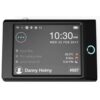
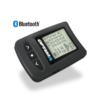
L&B ProTrack3 Bluetooth Skydiving Audible Altimeter
L&B ProTrack3 Bluetooth Skydiving Audible Altimeter
The L&B ProTrack3 Bluetooth skydiving audible altimeter is an advanced electronic instrument designed to provide trained skydivers with audible altitude information while also functioning as a digital freefall computer. The L&B ProTrack3 Bluetooth skydiving audible altimeter combines programmable warning systems, a digital display, Bluetooth connectivity, jump-data storage, and automatic monitoring of atmospheric conditions in a compact helmet-friendly design.
The ProTrack3 represents the next generation of L&B’s ProTrack audible-altimeter concept. According to the manufacturer’s current product information, it provides four high-speed warnings, four canopy-descent and low-speed warnings, Bluetooth connectivity through the JumpTrack application, and an electronic logbook capable of storing up to 50 jumps with profiles lasting up to 15 minutes. LB Altimeters
What Is the L&B ProTrack3 Bluetooth Skydiving Audible Altimeter?
The L&B ProTrack3 Bluetooth skydiving audible altimeter is designed to communicate altitude and flight information through both audible warnings and its integrated LCD display.
Unlike a basic audible device that provides only a limited number of warning sounds, the L&B ProTrack3 Bluetooth skydiving audible altimeter incorporates multiple programmable warning functions intended to accommodate different forms of skydiving.
Four high-speed warnings can be configured, with settings extending to 19,990 feet according to L&B’s published product information. Four additional canopy-descent and low-speed warnings are also provided. LB Altimeters
This broad configuration range makes the L&B ProTrack3 Bluetooth skydiving audible altimeter relevant to experienced users involved in formation skydiving, freefly, wingsuit activities, canopy disciplines, and other appropriately trained applications.
Why Use the L&B ProTrack3 Bluetooth Skydiving Audible Altimeter?
The primary reason to use the L&B ProTrack3 Bluetooth skydiving audible altimeter is to add an audible information channel to an established altitude-awareness system.
During freefall, a jumper may need to maintain visual attention on other participants, body position, formation movement, separation, and the surrounding environment. An audible signal allows selected altitude events to be communicated without requiring the jumper to look continuously toward a visual altimeter.
The L&B ProTrack3 Bluetooth skydiving audible altimeter therefore works particularly well as a supplementary instrument alongside appropriate visual equipment.
It should not, however, be treated as a replacement for training, visual awareness, or established procedures.
How the L&B ProTrack3 Works
The L&B ProTrack3 Bluetooth skydiving audible altimeter continually monitors ambient atmospheric conditions and uses changes in air pressure to determine altitude.
L&B describes the ProTrack3 as fully automatic, with the instrument continually recording ambient air pressure, temperature, and altitude while converting its digital information to the local elevation. LB Altimeters
This automatic operation means that the user does not have to manually calculate altitude during normal use.
Instead, the L&B ProTrack3 Bluetooth skydiving audible altimeter processes the environmental information internally and activates its programmed warning functions when the relevant conditions are reached.
Four High-Speed Warnings
One of the major differences between the L&B ProTrack3 Bluetooth skydiving audible altimeter and simpler audible devices is its four high-speed warning system.
The manufacturer specifies four high-speed warnings with selectable settings extending to 19,990 feet. LB Altimeters
This provides substantial flexibility for experienced users.
Multiple warnings can be incorporated into a planned descent profile, allowing different audible events to represent different stages of the jump.
For example, a jumper can establish an earlier awareness point followed by additional warnings closer to later stages of the descent.
The exact configuration should always be based on the jumper’s training and established procedures.
Four Canopy and Low-Speed Warnings
The L&B ProTrack3 Bluetooth skydiving audible altimeter also provides four canopy-descent and low-speed warnings.
These functions extend the usefulness of the instrument beyond conventional freefall.
L&B specifically describes the canopy-descent alerts as low-speed alerts that can also be used by wingsuit flyers to monitor altitude in preparation for separation and canopy deployment. LB Altimeters
This gives the L&B ProTrack3 Bluetooth skydiving audible altimeter a particularly broad range of applications.
Digital Freefall Computer
The ProTrack3 is more than an audible altimeter.
The L&B ProTrack3 Bluetooth skydiving audible altimeter is also described by L&B as a digital freefall computer.
Its integrated system can record information associated with a jump, allowing the user to review data after landing.
This makes the L&B ProTrack3 Bluetooth skydiving audible altimeter useful not only during the jump but also for reviewing previous activity.
Large LCD Display
The L&B ProTrack3 Bluetooth skydiving audible altimeter includes a large LCD display designed to make the instrument easier to operate and configure.
The display provides direct access to important information and settings.
This is particularly useful because the ProTrack3 combines numerous functions within one instrument.
Rather than relying entirely on audible signals, the user can interact with the LCD interface when configuring or reviewing the unit.
Bluetooth Connectivity
Bluetooth is one of the defining features of the L&B ProTrack3 Bluetooth skydiving audible altimeter.
The instrument can connect to the L&B JumpTrack application, providing easier access to settings and stored jump information. LB Altimeters
The Bluetooth connection gives the L&B ProTrack3 Bluetooth skydiving audible altimeter a modern method of configuration and data management.
According to L&B’s instructions, pairing should be performed through the JumpTrack application rather than through the phone’s ordinary Bluetooth settings. LB Altimeters
JumpTrack Application
The JumpTrack application provides an interface between the L&B ProTrack3 Bluetooth skydiving audible altimeter and a compatible mobile device.
Once connected appropriately, the user can access supported settings and jump information.
This is useful for users who want to review their equipment configuration before jumping.
The L&B ProTrack3 Bluetooth skydiving audible altimeter can therefore be managed through a combination of the instrument’s physical controls and its Bluetooth connection.
Electronic Logbook
The integrated electronic logbook is another important feature.
The L&B ProTrack3 Bluetooth skydiving audible altimeter can store information from up to 50 jumps, with each jump profile available for up to 15 minutes according to L&B’s published specifications. LB Altimeters
This provides an electronic record that can be useful for personal review.
The stored information can complement a conventional written jump log, video footage, coaching notes, and personal observations.
Why Jump Data Matters
Jump data can provide an additional reference when evaluating previous activity.
For example, a jumper can review a recorded profile and compare it with their recollection of the jump.
The L&B ProTrack3 Bluetooth skydiving audible altimeter therefore has value beyond the actual freefall.
It can become part of a broader learning and performance-review routine.
However, numerical information does not describe every aspect of a jump. Body position, traffic, weather, formation movement, aircraft exit conditions, and other factors still need to be considered.
Thin and Ergonomic Construction
The L&B ProTrack3 Bluetooth skydiving audible altimeter has been designed with a thin and ergonomic profile intended for comfortable helmet installation.
This is important because helmet interiors have limited space.
An audible altimeter must be positioned securely while remaining compatible with other helmet components.
The compact design of the L&B ProTrack3 Bluetooth skydiving audible altimeter makes it suitable for integration into compatible skydiving helmets without unnecessarily increasing bulk.
Skydiving Helmet Integration
A properly installed audible altimeter can become an important component of a jumper’s equipment configuration.
The L&B ProTrack3 Bluetooth skydiving audible altimeter should be installed securely and positioned so that its sound and display can be accessed appropriately.
This is relevant when selecting equipment such as a skydiving helmet, skydive helmets, a full face skydiving helmet, or another compatible configuration.
The acoustic environment inside each helmet can vary, so the instrument should be tested in the actual helmet configuration before jumping.
Applications Across Skydiving Disciplines
The flexibility of the L&B ProTrack3 Bluetooth skydiving audible altimeter makes it suitable for a broad range of trained skydiving activities.
These can include:
Formation skydiving
Freefly
Tracking
Wingsuit flying
Canopy disciplines
CRW
Large formations
The instrument should always be configured according to the specific activity and the jumper’s training.
Formation Skydiving
Formation skydiving requires continuous visual attention toward other participants.
The L&B ProTrack3 Bluetooth skydiving audible altimeter can provide an additional altitude cue without requiring the jumper to repeatedly look at a visual display.
The multiple-warning architecture can be particularly useful for experienced formation jumpers who want several audible reference points.
The instrument does not determine break-off or deployment decisions. Those decisions remain part of the established jump plan and training.
Freefly
Freefly involves changing body orientations and dynamic movement.
An audible instrument can be useful because the jumper may not want to divert visual attention toward a display.
The L&B ProTrack3 Bluetooth skydiving audible altimeter can provide recognizable warning signals during appropriately trained freefly activities.
Its configurable high-speed warnings allow users to establish a sequence appropriate to their procedures.
Tracking Jump
During a tracking jump, the jumper may travel substantial horizontal distances while maintaining separation and monitoring altitude.
The L&B ProTrack3 Bluetooth skydiving audible altimeter can provide additional altitude information while the jumper concentrates on movement and surrounding traffic.
The instrument remains supplementary and should be used within the jumper’s established training.
Wingsuit Sport
The L&B ProTrack3 Bluetooth skydiving audible altimeter is particularly relevant to wingsuit activities because L&B identifies high-speed and canopy-descent functions that can be used by wingsuit flyers. LB Altimeters
Wingsuit flying involves specialized equipment and training.
The instrument should therefore be configured according to the jumper’s established wingsuit procedures.
Canopy Flight
The L&B ProTrack3 Bluetooth skydiving audible altimeter can also provide useful information during canopy descent.
Its canopy and low-speed warning functions extend its usefulness beyond freefall.
The jumper must nevertheless maintain visual awareness of other canopies, wind conditions, landing direction, obstacles, and traffic.
The instrument provides information; it does not replace canopy-flight judgment.
CRW Skydiving
CRW skydiving involves specialized canopy techniques and equipment.
The L&B ProTrack3 Bluetooth skydiving audible altimeter can provide supplementary altitude information during appropriately trained canopy activities.
The jumper should establish settings appropriate to the specific discipline before the jump.
International Skydiving
Skydiving is performed at drop zones around the world.
Whether someone is researching a parachute jump Australia, Skydive Byron Bay, Cairns skydiving, Skydive Belize, or another destination, equipment preparation remains essential.
The L&B ProTrack3 Bluetooth skydiving audible altimeter can be incorporated into an appropriate equipment configuration when used according to its intended purpose and the jumper’s training.
Important Equipment Compatibility
The L&B ProTrack3 Bluetooth skydiving audible altimeter can complement other equipment such as:
Skydiving helmet
Skydiving glasses
Skydiver goggles
Parachute rig
Container
Main canopy
Reserve canopy
AAD
Jumpsuit
Wingsuit
Other discipline-specific equipment
The instrument should be installed without interfering with critical equipment or emergency procedures.
Battery and Power Management
Because the L&B ProTrack3 Bluetooth skydiving audible altimeter is an electronic instrument, battery condition is important.
The user should inspect the instrument before jumping and follow the manufacturer’s battery-replacement procedures.
Low power can compromise electronic functions, so battery management should be treated as part of normal equipment preparation.
Automatic Operation
The automatic nature of the L&B ProTrack3 Bluetooth skydiving audible altimeter is another practical advantage.
L&B states that the instrument continually monitors ambient air pressure, temperature, and altitude and converts the information to local elevation automatically. LB Altimeters
This reduces the need for manual intervention during normal operation.
Temperature Performance
The manufacturer states that all functions of the L&B ProTrack3 Bluetooth skydiving audible altimeter remain operational at sub-zero temperatures. LB Altimeters
This provides useful flexibility for users who jump in colder climates.
Nevertheless, equipment should always be operated within the manufacturer’s specified environmental conditions.
Ground Preparation
Before boarding, the user should verify the L&B ProTrack3 Bluetooth skydiving audible altimeter.
Important checks include:
Battery condition
Warning configuration
Sound recognition
Helmet installation
Display operation
Bluetooth settings
Jump profile configuration
A short pre-jump inspection can prevent unnecessary equipment surprises later.
Overall Value
The L&B ProTrack3 Bluetooth skydiving audible altimeter combines several functions within one compact device.
Its four high-speed warnings, four canopy and low-speed warnings, digital freefall computer functions, Bluetooth connectivity, JumpTrack compatibility, electronic logbook, and LCD interface give it considerable versatility.
The L&B ProTrack3 Bluetooth skydiving audible altimeter is therefore suited to trained skydivers who want an advanced electronic instrument rather than a simple single-warning audible device.
Final Product Summary
The L&B ProTrack3 Bluetooth skydiving audible altimeter is an advanced audible altitude instrument and freefall computer designed for modern skydiving applications.
Its four high-speed warning points provide extensive configuration flexibility.
Its four canopy-descent and low-speed warnings expand the instrument’s usefulness into later stages of a jump.
Bluetooth connectivity provides convenient access to supported settings and jump information through JumpTrack.
The electronic logbook provides storage for up to 50 jumps, while the large LCD makes the device easier to configure and operate. LB Altimeters
For trained skydivers involved in formation work, freefly, tracking, wingsuit sport, canopy activities, and other appropriate disciplines, the L&B ProTrack3 Bluetooth skydiving audible altimeter provides a comprehensive combination of audible warnings, digital information, connectivity, and jump-data functionality.
The L&B ProTrack3 Bluetooth skydiving audible altimeter should always be used as a supplementary component of a complete altitude-awareness system. Proper training, equipment checks, visual awareness, and established procedures remain essential.
When configured and maintained appropriately, the L&B ProTrack3 Bluetooth skydiving audible altimeter provides a sophisticated and versatile electronic solution for skydivers seeking advanced audible altitude awareness and digital jump information.
Warning Systems, Freefall Monitoring, and Practical Operation
The L&B ProTrack3 Bluetooth skydiving audible altimeter is designed to provide trained skydivers with a sophisticated audible reference throughout different phases of a jump. Its purpose extends beyond producing a single warning sound. Instead, the instrument provides a configurable sequence of audible information that can be adapted to different jumping disciplines, personal procedures, and equipment configurations.
The system is particularly useful because the information can be received without requiring the jumper to look toward a visual instrument. During a jump, visual attention may already be occupied by formation members, the surrounding airspace, body position, canopy traffic, or the planned flight path. An audible instrument provides another information channel while allowing the jumper to maintain visual awareness.
The instrument should nevertheless remain supplementary equipment. It does not replace appropriate training, visual altitude awareness, equipment inspections, or established deployment and emergency procedures.
Understanding the Warning Architecture
The warning architecture is one of the most significant characteristics of the instrument.
Multiple altitude points can be programmed, allowing the jumper to establish a sequence of audible events rather than depending on one isolated warning. This creates a structured system that can be incorporated into an established jump plan.
The user should understand the purpose of every programmed warning before boarding the aircraft. Each sound should have a clear meaning, and the jumper should be familiar with the sequence.
This familiarity is especially important when several warnings are configured. If the user cannot immediately distinguish one signal from another, the benefit of multiple warning points can be reduced.
Four High-Speed Warning Points
The instrument provides four configurable high-speed warning points. This gives the user substantial flexibility when establishing an audible freefall profile.
A sequence of four warnings can provide progressively later altitude references. The exact settings should be selected according to the jumper’s training, discipline, and established procedures rather than copied from another person’s configuration.
Different disciplines can involve different speeds, altitudes, and operating procedures. Consequently, a configuration suitable for one type of jump may not be appropriate for another.
The flexibility of the system is therefore an advantage, but it also means that the user must take responsibility for understanding the active configuration.
Establishing a Warning Sequence
A warning sequence should be planned deliberately.
The jumper should first determine what each warning is intended to communicate. Once that purpose has been established, the appropriate altitude points can be configured.
For example, earlier warnings can be used as general awareness cues, while later warnings can correspond to subsequent stages of an established jump procedure.
The instrument does not decide when a jumper should perform a particular action. It simply provides an audible signal at the programmed point.
This distinction should remain clear throughout equipment use.
Recognizing Individual Sounds
The ability to recognize each sound is fundamental to effective use.
A jumper should know which sound corresponds to the first warning, which corresponds to later warnings, and which signals relate to canopy or low-speed functions.
This knowledge should be developed before jumping.
The sounds can be tested while the user is on the ground, allowing the jumper to become familiar with the pitch, duration, rhythm, and volume of each signal.
A user who changes settings should repeat this familiarization process rather than assuming that the new configuration will be immediately recognizable.
Sound and Helmet Configuration
Helmet construction can influence the way an audible signal is perceived.
An open helmet and a full-face helmet can create different acoustic environments. Padding, shell design, ventilation, and the location of the instrument can all affect perceived sound.
Therefore, the instrument should be tested in the helmet that will actually be used during the jump.
This is particularly important when a jumper changes helmets.
A sound that is easily recognizable in one helmet may be perceived differently in another.
The physical installation should also remain secure and should not interfere with helmet operation.
Volume Selection
The volume setting should be selected carefully.
The signal needs to remain clearly audible during aircraft ascent and freefall, where environmental noise can be substantial.
However, volume should not be treated as the only factor determining audibility. Helmet design, instrument placement, hearing characteristics, and the acoustic environment also matter.
The user should therefore perform a practical sound check before jumping.
Any unexpected reduction in volume should be investigated rather than ignored.
Pitch Selection
Pitch adjustment can help users find a sound characteristic that is easy to distinguish.
Individual hearing varies, and the acoustic environment inside a helmet can influence how different frequencies are perceived.
The selected pitch should be familiar and recognizable.
Once a suitable setting has been chosen, it should generally remain consistent unless there is a specific reason to change it.
Consistency makes the audible system easier to recognize during actual jumps.
Using the Instrument During Aircraft Ascent
The aircraft ascent provides an opportunity to confirm that the instrument is functioning normally.
The jumper can verify that the device is powered, configured correctly, and producing expected information.
This is also an appropriate time to identify unexpected behavior.
Any equipment concern should be addressed according to established procedures before the jump proceeds.
An electronic device should never be assumed to be functioning correctly simply because it worked during a previous jump.
Freefall Monitoring
During freefall, the instrument provides audible information according to its programmed settings.
The jumper can hear the warnings while maintaining visual attention on the surrounding environment.
This is one of the principal advantages of an audible system.
Instead of repeatedly looking at a display, the jumper can receive a warning through sound and continue concentrating on the activity being performed.
Nevertheless, the jumper should maintain overall altitude awareness and should not become dependent on one device.
Formation Skydiving Applications
Formation skydiving involves continuous interaction with other participants.
A jumper may need to maintain position, recognize movement, monitor separation, and prepare for the appropriate stage of the jump.
An audible warning can provide useful information without requiring the jumper to look away from the formation.
Multiple warnings can also be useful because a formation jump may involve several distinct stages.
However, the exact warning sequence should always correspond to the group’s established plan and the individual jumper’s training.
Freefly Applications
Freefly involves dynamic body positions and changing orientations.
The jumper may be moving through different attitudes while maintaining awareness of other participants.
An audible instrument can provide a useful reference during this type of activity.
The jumper should understand, however, that unusual airflow and body position can affect pressure-based altitude measurement.
The device should therefore complement rather than replace the jumper’s broader altitude-awareness system.
Tracking Applications
Tracking involves deliberate horizontal movement.
The jumper may need to maintain direction, separation, and awareness of other participants while also monitoring altitude.
An audible instrument can provide another cue during this process.
The warning sequence should be configured before the jump and should be familiar to the user.
The instrument does not replace visual scanning or the procedures associated with tracking and separation.
Wingsuit Applications
Wingsuit flight presents a distinctive aerodynamic environment.
The jumper travels differently from a conventional freefall position, and the flight profile can involve significant horizontal movement.
An audible instrument can provide useful additional altitude information during appropriately trained wingsuit operations.
However, configuration must be appropriate to the discipline.
The user should also understand the limitations of pressure-based altitude measurement in changing airflow.
Canopy Descent Functions
The instrument provides additional warning capabilities for the canopy phase.
These functions can provide audible cues after deployment and during descent.
Such warnings can be useful as supplementary information, but canopy flight requires continuous visual awareness.
The jumper must continue monitoring other canopies, traffic, wind, landing direction, obstacles, and the landing area.
The audible device cannot perform these tasks.
Low-Speed Monitoring
Low-speed functionality provides another specialized capability.
The instrument can respond to appropriate low-speed conditions and provide an audible signal.
This can be useful when a jumper wants an additional cue associated with a particular portion of the flight.
However, the user must understand precisely what the signal represents.
A warning should never be interpreted outside the context in which it was configured.
Canopy Flight Awareness
Once under canopy, the jumper’s priorities change.
Attention shifts toward canopy control, traffic, wind, landing pattern, and the landing area.
The audible instrument can supplement this process by providing configured information.
It should not become a distraction.
A jumper should continue looking around and actively managing the canopy rather than focusing excessively on electronic equipment.
CRW and Specialized Canopy Activities
Specialized canopy disciplines require specialized training.
The instrument can provide supplementary audible information during appropriately configured canopy activities.
However, the warning settings should be selected according to the jumper’s established procedures.
Because canopy formations involve close proximity to other parachutes and highly specialized maneuvers, equipment should always be configured and used according to appropriate training.
Automatic Environmental Monitoring
The instrument automatically monitors relevant environmental information used for its altitude calculations.
This allows it to operate without requiring the user to manually calculate atmospheric changes during the jump.
The automatic nature of the system makes routine operation straightforward.
Nevertheless, automatic operation does not mean that the user can ignore preparation.
The instrument still needs to be correctly configured, powered, installed, and checked before use.
Altitude Awareness as a System
Altitude awareness should be considered a complete process rather than a single device.
A jumper may use:
A visual altimeter
An audible altimeter
Visual references
Training procedures
Jump planning
Timing
Environmental awareness
The ProTrack3 can contribute to this system by providing audible information.
It should not become the only source of altitude awareness.
Using the Digital Display
The integrated display provides another way of interacting with the instrument.
Although the device is primarily intended to provide audible information, the display is useful when configuring and reviewing the instrument.
The user can confirm relevant settings before jumping.
The display can also support post-jump review and general equipment management.
Because the instrument includes multiple functions, becoming familiar with the interface before jumping is advisable.
Bluetooth Configuration
Bluetooth connectivity provides a convenient method of accessing supported settings.
The user can connect the instrument to the appropriate application and manage compatible functions.
This is particularly useful when several settings need to be reviewed.
The application can provide a clearer interface than relying entirely on physical controls.
However, Bluetooth configuration should be performed on the ground.
Changes should never be made casually immediately before a jump without verifying the resulting configuration.
JumpTrack Integration
The JumpTrack application provides a digital interface for supported functions.
The user can access stored information and manage compatible settings through the application.
This creates a convenient connection between the physical instrument and a mobile device.
Users should follow the manufacturer’s connection procedure because Bluetooth devices do not always pair through the standard phone settings menu in the way users might expect.
Reviewing Stored Jump Data
After a jump, the stored information can be reviewed.
This can help a jumper understand the general profile of the descent.
The data can be compared with personal notes and video footage.
For example, a jumper might use the information to identify patterns across several jumps.
The data does not provide a complete explanation of the jump, but it can provide an additional factual reference.
Data and Coaching
Stored information can also complement coaching.
A coach may consider recorded information alongside video, body position, jump objectives, and personal observations.
This creates a more complete picture.
The instrument should not be treated as a replacement for an experienced instructor.
Instead, its information can supplement the coaching process.
Electronic Logbook
The electronic logbook allows users to retain information from multiple jumps.
This can be particularly useful for active jumpers who want a digital record.
The stored information can supplement a traditional logbook.
A written log can contain details that an electronic instrument cannot capture, such as weather observations, equipment changes, training objectives, participant information, or personal notes.
Using both forms of documentation can provide a broader record.
Preparing Before Every Jump
A consistent preparation routine helps reduce configuration errors.
Before boarding, the jumper should check the instrument’s:
Power
Battery condition
Warning settings
Sound profile
Volume
Pitch
Helmet installation
General operation
The active configuration should be known before the aircraft takes off.
Why Consistency Matters
A jumper who changes warning settings frequently can increase the possibility of confusion.
Consistency allows the sounds to become familiar.
If different configurations are required for different disciplines, each configuration should be clearly understood.
The jumper should know which profile is active before boarding.
This is especially important when moving between formation, freefly, wingsuit, and canopy-focused activities.
Traveling With the Instrument
Traveling jumpers may use the instrument at multiple drop zones.
Different locations may involve different altitudes, climates, equipment arrangements, and operating procedures.
The instrument should be checked after transportation.
The user should confirm that the settings remain appropriate.
The device should also be protected from impact during travel.
Using the Instrument With Different Helmets
A jumper who owns multiple helmets should test the instrument with each one.
The sound may be perceived differently depending on the helmet construction.
The mounting position can also change.
For that reason, changing helmets should trigger another equipment check.
This simple step can help ensure that the audible warning remains recognizable.
Understanding Environmental Limitations
Pressure-based altitude instruments have physical limitations.
Airflow around the device can differ from the surrounding atmosphere.
Turbulence, wakes, body position, and other aerodynamic effects can influence local pressure.
The user should understand these limitations and avoid treating the instrument as infallible.
This is one reason why a complete altitude-awareness system is important.
Maintenance Between Jumping Sessions
After jumping, the instrument should be inspected.
The user should look for physical damage, moisture, unusual sounds, battery concerns, or mounting problems.
The device should be cleaned according to the manufacturer’s recommendations.
It should then be stored in a suitable environment.
These simple practices can help preserve the instrument for future use.
Long-Term Equipment Management
A sophisticated electronic instrument deserves consistent care.
Battery replacement should be performed appropriately.
The physical housing should be protected.
Settings should be reviewed regularly.
Bluetooth functionality should be kept familiar.
Jump data should be reviewed or archived as desired.
These habits help ensure that the instrument remains a useful part of the overall equipment system.
Practical Value for Experienced Jumpers
The greatest practical advantage of the instrument is its flexibility.
A basic audible altimeter can provide one or a few warning points.
The ProTrack3 offers multiple freefall warnings, additional canopy and low-speed functions, a display, Bluetooth connectivity, and data storage.
This makes it suitable for experienced users who want one instrument capable of supporting several aspects of their jumping routine.
Responsible Use
The instrument should always be used within the jumper’s training and experience.
The user should understand what each warning means.
The user should know how the instrument behaves.
The user should verify its configuration.
The user should maintain visual awareness.
The user should follow established procedures.
These principles remain important regardless of how advanced the electronics become.
Final Practical Assessment
The L&B ProTrack3 Bluetooth skydiving audible altimeter provides a comprehensive audible-information platform for trained skydivers.
Its multiple warning points allow a structured freefall warning sequence.
Its additional canopy and low-speed functions extend its usefulness beyond freefall.
Its digital display provides convenient access to settings and information.
Its Bluetooth connectivity adds modern configuration and data-management capabilities.
Its electronic logbook supports post-jump review.
Together, these features make the instrument a versatile component of an established skydiving equipment system.
The most effective use comes from preparation and familiarity. The jumper should know the selected warning sequence, recognize each sound, verify the volume and pitch, inspect the battery, confirm the installation, and understand the limitations of pressure-based altitude measurement.
When these practices are incorporated into normal equipment preparation, the instrument can provide valuable supplementary information throughout the jump while allowing the jumper to maintain visual attention on the surrounding enviroment
The L&B ProTrack3 Bluetooth skydiving audible altimeter has been designed as a sophisticated electronic instrument that combines audible altitude warnings with digital information and jump-data recording. Its construction reflects the requirements of an instrument intended to operate in a demanding environment where compact dimensions, reliable electronics, clear information, and straightforward operation are important.
Unlike a simple audible device that provides only a limited number of sounds, this instrument incorporates several interconnected systems. Atmospheric information is monitored electronically, programmed warning points are processed by the internal system, audible signals are generated according to the selected configuration, and jump information can be retained for later review. Bluetooth connectivity adds another layer of functionality by allowing compatible settings and stored information to be accessed through the appropriate application.
Understanding these technical characteristics is important because the performance of an electronic instrument depends not only on its internal components but also on correct configuration, battery condition, physical installation, environmental conditions, and regular equipment care.
Pressure-Based Altitude Measurement
The fundamental operating principle is based on atmospheric pressure.
Atmospheric pressure changes as altitude changes. During ascent, pressure generally decreases, while during descent it generally increases. The instrument continuously monitors the relevant atmospheric information and processes those changes to determine altitude.
This information is then used to activate the programmed warning functions.
The system is automatic during normal operation, which means the user does not need to manually calculate changing altitude while the jump is taking place.
However, pressure-based measurement has physical limitations. Air surrounding the instrument can behave differently from the broader atmosphere, particularly when the instrument is exposed to unusual airflow, turbulence, wakes, burbles, or rapidly changing body positions.
Consequently, the instrument should always be understood as a supplementary source of altitude information rather than an independent decision-making device.
Digital Processing
Electronic processing allows the instrument to perform several functions simultaneously.
Altitude information is monitored while the device also manages warning thresholds, sound output, display information, and stored data.
This level of integration is one reason the instrument offers more functionality than a basic audible altimeter.
Digital processing also allows settings to be stored and modified without changing mechanical components.
The user can therefore configure the instrument according to the requirements of the intended activity.
Four High-Speed Warning Points
The four high-speed warning points provide considerable configuration flexibility.
Instead of receiving one audible signal, the jumper can establish a sequence of multiple warnings.
Each warning can represent a different stage of the planned descent.
This arrangement can be useful when a jumper wants an early awareness signal followed by additional signals closer to later stages of the jump.
The actual warning points should always be selected according to established training and procedures.
The flexibility of the system should not encourage users to experiment with unfamiliar settings immediately before a jump.
Four Canopy and Low-Speed Warning Points
Additional warning functionality is available for canopy descent and low-speed conditions.
This allows the instrument to provide information beyond the freefall phase.
A jumper can configure appropriate warnings according to the intended activity.
The availability of separate functions means the instrument can support different stages of a jump without requiring the user to rely on a single warning profile.
However, each setting should be understood before it is used.
The user should know which warning is active, what it represents, and how it fits into the planned jump.
Warning Sound Differentiation
Sound differentiation is an important technical consideration.
When multiple warnings are programmed, the jumper needs to recognize which signal has occurred.
Distinct sound characteristics allow the user to develop an association between a particular signal and a particular stage of the jump.
This is especially useful because the jumper does not necessarily have to look toward a visual display to receive the information.
Before using a new configuration, the sounds should be tested on the ground.
The user should be able to identify them naturally and without hesitation.
Sound Pitch
The pitch of an audible warning affects how it is perceived.
Different people have different hearing characteristics, while helmets can alter the acoustic environment around the ears.
The instrument therefore provides configurable sound characteristics that allow the user to select an appropriate audible profile.
The selected pitch should be tested with the actual helmet and equipment configuration.
This is important because an instrument that sounds clear outside the helmet may sound different once installed inside the helmet.
Volume
Volume is equally important.
The audible signal must remain recognizable in an environment that may contain aircraft noise, airflow, and other sounds.
The user should select a level that is clearly identifiable while remaining appropriate for their hearing and equipment configuration.
A volume check should be included in the pre-jump inspection.
If the sound output appears weaker than usual, the user should investigate the cause before jumping.
Battery condition should be considered as part of this investigation.
Battery Management
The electronic system depends on an adequate power source.
Battery management should therefore form part of normal equipment preparation.
A jumper should not assume that a battery that worked on the previous jump will necessarily remain suitable for the next session.
The battery should be checked regularly and replaced according to the manufacturer’s instructions.
If the device exhibits unusual behavior, reduced sound output, unexpected shutdown, or other irregularities, the instrument should be inspected before further use.
Battery Replacement
Battery replacement should be performed carefully.
The user should follow the appropriate procedure rather than attempting to modify the internal electronics.
Incorrect handling can damage components or compromise the housing.
When replacing a battery, the user should verify that the instrument starts correctly afterward.
The warning sounds and other relevant functions should also be checked before the device is returned to operational use.
LCD Display
The integrated LCD provides a visual interface for the instrument.
Although the primary purpose is audible information, the display is valuable for configuration and reviewing information.
A clear display makes it easier to verify settings before jumping.
It can also reduce uncertainty when navigating different functions.
The display should be kept clean and protected from unnecessary impact.
Scratches, contamination, or physical damage can make information more difficult to read.
Display Visibility
Display visibility depends on the viewing environment.
The instrument should be positioned appropriately within the helmet configuration.
The user should be able to access the display during equipment preparation without interfering with other components.
Because the device is primarily an audible instrument, the display does not need to be continuously visible during freefall.
Its primary practical role is configuration, confirmation, and information access.
Bluetooth Hardware
Bluetooth connectivity provides a wireless communication channel between the instrument and compatible mobile equipment.
This allows supported settings and stored information to be managed through the appropriate application.
The wireless function is particularly useful when several configuration parameters need to be reviewed.
It can also make post-jump data management more convenient.
Bluetooth should nevertheless be regarded as an additional feature rather than something necessary for every basic operation of the instrument.
Bluetooth Pairing
The pairing process should follow the manufacturer’s instructions.
Users should connect through the appropriate application rather than assuming that the instrument must be paired through the standard Bluetooth settings menu on the mobile device.
Following the correct process reduces unnecessary connection problems.
Once the connection has been established, the user can access the supported functions provided by the application.
JumpTrack Integration
The JumpTrack application provides a digital interface for compatible functions.
It allows users to manage supported settings and access stored jump information.
This creates a convenient relationship between the physical instrument and the user’s mobile device.
The application can also make it easier to review information from previous jumps.
Users should keep their configuration organized and verify important settings before jumping.
Electronic Logbook
The electronic logbook provides a convenient method of retaining jump information.
The instrument can store information from multiple jumps, allowing the user to return to previous records.
This is useful for jumpers who want to maintain a digital history alongside a traditional written log.
Electronic data can provide information about the general profile of previous activity, while written notes can contain contextual details that an electronic instrument cannot capture.
Jump Profile Recording
Recorded jump profiles can be useful for reviewing a completed jump.
The information can help the jumper understand the general sequence of altitude and speed changes.
It can be particularly valuable when considered alongside video footage, coaching, and personal observations.
The data should not be interpreted as a complete record of everything that occurred.
Human movement, environmental conditions, formation behavior, and other circumstances cannot necessarily be represented fully by the stored profile.
Data Review
Data review can become part of a structured training routine.
After landing, the user can examine the stored information and compare it with their recollection.
This can help identify patterns across multiple jumps.
For example, a jumper may notice differences between various jump types or different stages of their training.
The instrument therefore has value beyond providing warnings in the air.
Technical Accuracy and Limitations
Accuracy should always be considered within the context of the instrument’s operating principle.
A pressure-based instrument responds to atmospheric changes, but local airflow can affect the pressure surrounding the sensor.
Consequently, the user should understand that no electronic altitude instrument can eliminate all environmental variables.
The most responsible approach is to combine the instrument with training, visual awareness, and established procedures.
Environmental Conditions
Skydiving equipment may encounter a wide range of environmental conditions.
These can include:
Cold temperatures
Humidity
Moisture
Dust
Vibration
Airflow
Rapid changes in pressure
Equipment handling
The instrument should be operated within the manufacturer’s specified conditions.
After unusual exposure, it should be inspected before being returned to normal use.
Cold-Weather Operation
Cold temperatures can affect electronic equipment and batteries.
The manufacturer provides operating information for the instrument, and users should remain within the stated limits.
A jumper operating in cold conditions should pay particular attention to battery performance and general equipment condition.
Cold-weather preparation should also include the rest of the equipment system.
Moisture Protection
Moisture can be harmful to electronic equipment.
The instrument should be protected from unnecessary exposure to rain, condensation, and other sources of water.
If moisture exposure occurs, the device should be handled according to the manufacturer’s guidance.
Users should not assume that an electronic instrument is automatically protected against every possible form of water exposure.
Physical Durability
The instrument is designed to be compact enough for helmet installation while providing a durable enclosure suitable for its intended application.
However, durability does not mean that the device should be subjected to unnecessary impact.
It should be protected during transport and storage.
Heavy objects should not be placed directly against it inside a gear bag.
Careful handling helps preserve the housing, display, buttons, and internal electronics.
Helmet Installation
Installation is a significant part of technical reliability.
The instrument should be positioned securely inside an appropriate helmet configuration.
It should not interfere with:
Helmet closure
Padding
Communication equipment
Emergency procedures
Other instruments
Head movement
The location should also allow the audible signal to reach the user’s ears clearly.
Acoustic Considerations
The acoustic environment inside a helmet is different from an open-air environment.
Padding can absorb sound, while shell geometry can alter the way sound travels.
For this reason, the instrument should be tested after installation.
The user should confirm that each programmed signal is easily recognizable.
Changing helmet models should trigger another sound check.
Routine Inspection
A routine inspection can identify potential problems before they become operational concerns.
The user should examine:
The housing
Display
Controls
Battery compartment
Mounting arrangement
Sound output
General condition
Any unusual condition should be investigated before the next jump.
Cleaning
The instrument should be cleaned carefully.
Dust and contamination should not be allowed to accumulate around controls or openings.
Abrasive materials should be avoided.
Harsh chemicals should not be applied unless specifically approved by the manufacturer.
Because the instrument contains electronic components, unnecessary liquid exposure should be avoided.
Storage
Proper storage helps preserve long-term condition.
The instrument should be stored in a clean and dry location protected from extreme temperatures and physical impacts.
It should not be left loose in a gear bag where it can be struck by heavier equipment.
A dedicated compartment or protective container can provide additional protection.
Transportation
Travel presents additional risks.
The instrument can be exposed to compression, vibration, impact, and temperature changes during transportation.
It should therefore be positioned securely inside the equipment luggage.
Sharp objects and heavy equipment should not be placed directly against the instrument.
After arrival, the device should be inspected before use.
Pre-Jump Technical Inspection
A useful pre-jump inspection should confirm that the instrument:
Powers on normally
Displays information correctly
Produces recognizable sounds
Has adequate battery condition
Uses the intended configuration
Is mounted securely
Has appropriate warning settings
The user should also confirm that no unexpected configuration changes have occurred through the Bluetooth system.
Configuration Verification
Configuration verification is especially important because the instrument has many adjustable functions.
A jumper may use different settings for different disciplines.
This means that the active configuration should be checked before every jump.
The user should know exactly which warnings are programmed and what each warning represents.
Different Disciplines.
Different forms of skydiving may require different approaches to audible warnings.
Formation flying can involve one configuration.
Freefly can involve another.
Be the first to review “L&B Protrack3 Bluetooth skydiving audible altimeter”
Related products

Altimeter

Altimeter

Altimeter

Altimeter

Altimeter
Reviews
There are no reviews yet.