


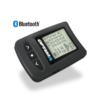

L&B ARES II Tactical Digital Skydiving Altimeter
L&B ARES II Tactical Digital Skydiving Altimeter Overview, Design, Precision, and Skydiving Applications
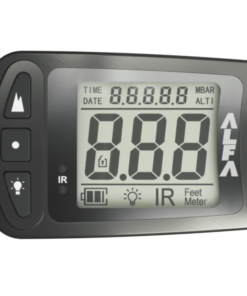
The L&B ARES II Tactical Digital Skydiving Altimeter is a precision visual instrument developed for skydivers who prefer a clear digital display and detailed jump information. Manufactured by L&B Altimeters, the ARES II combines a rugged aircraft-aluminum housing, high-contrast LCD display, backlighting, altitude calibration, and electronic jump logging in a compact package. L&B describes it as its high-end visual digital altimeter, with software designed to provide corrected live altitude readings L&B Ares2 Tactical Digital Skydiving Altimeter.
For anyone building a professional skydiving equipment list, an accurate visual altimeter is an important component. Unlike equipment such as a parachute rig, container, canopy, or helmet, an altimeter does not physically control the descent. Instead, it provides the jumper with altitude information that must be interpreted alongside visual awareness, training, procedures, and other instruments.
The ARES II is therefore intended to function as an information and awareness tool rather than a substitute for proper skydiving training or altitude awareness.
What Is the L&B ARES II Tactical Digital Skydiving Altimeter?
The L&B ARES II Tactical Digital Skydiving Altimeter is a digital visual altimeter that displays altitude numerically rather than using a traditional analog needle.
Its principal features include a large, high-contrast, non-flickering LCD, electroluminescent backlight, altitude-offset adjustment, feet-or-meter selection, mph-or-km/h selection, jump-profile playback, and a basic electronic logbook. The manufacturer also specifies a shock-resistant and waterproof aluminum housing with hardened glass.
The unit measures approximately 64 × 44 × 15 mm and weighs about 68 g, making it compact enough for practical use on a hand mount or compatible mounting arrangement. Its LCD viewing area is approximately 34 × 29.5 mm.
Why a Digital Altimeter Is Important in Skydiving
Altitude awareness is fundamental to skydiving. During a jump, the environment changes rapidly, and the jumper must maintain awareness of altitude while also managing body position, formation responsibilities, canopy deployment procedures, traffic, and landing considerations.
The L&B ARES II Tactical Digital Skydiving Altimeter provides a straightforward numerical reference that can complement the jumper’s normal altitude-awareness practices.
The large display is particularly useful because digital numbers can be read quickly without interpreting the position of a mechanical needle. Additionally, the high-contrast screen is designed to remain readable during demanding conditions.
The instrument can display altitude in either feet or meters, allowing it to accommodate different operating preferences and environments.
How the ARES II Supports Skydiving
The ARES II uses atmospheric-pressure information to determine altitude. Its startup sequence includes an air-pressure reading, firmware information, temperature, battery voltage, and a self-test control number. The unit also calibrates to the local elevation when it is switched on correctly before use.
This makes the pre-jump setup particularly important.
According to the manufacturer’s instructions, the ARES II should be switched on while on the ground before entering the aircraft. If it is switched on during flight, the present altitude must be adjusted manually.
That operating procedure is important for anyone using the ARES II on parachute jump Australia trips, Skydive Byron Bay, Cairns skydiving, or other drop zones around the world.
Clear Display for Freefall and Canopy Flight
The display is one of the defining features of the L&B ARES II Tactical Digital Skydiving Altimeter.
The LCD provides a large numerical presentation with high contrast and no flicker. The manufacturer specifies altitude-display tolerances of approximately ±1%, while exit and deployment altitude specifications are approximately ±1.2%
The unit can also display speed information, with the option of mph or km/h. This can be useful when reviewing a jump and understanding the performance characteristics recorded during the descent.
However, the altimeter should always be treated as an aid to altitude awareness. L&B’s manual specifically warns that altimeters can give erroneous readings in situations such as tumbling or when the instrument is in a burble or wake.
Backlight for Low-Light Conditions
The ARES II incorporates an electroluminescent backlight intended for low-light and night-jumping applications. The backlight can be activated through the dedicated controls, and it remains available during flight mode.
This feature adds versatility for experienced jumpers who operate in appropriate conditions and environments.
For normal daylight jumping, the high-contrast LCD provides the primary visual information. When ambient light decreases, the backlight can improve readability.
Altitude Offset Function
Another important feature is altitude offset.
The function allows the displayed altitude to be adjusted when the landing area and takeoff elevation differ. The manufacturer explains that a positive offset is used when the takeoff elevation is higher than the landing area, while a negative offset is used when the takeoff elevation is lower
This feature can be particularly useful for drop zones with significant differences between aircraft departure elevation and landing-area elevation.
The adjustment range is specified as approximately −19,900 to +19,900 feet, or approximately −6,000 to +6,000 meters, with present-altitude adjustment steps of 10 feet or 5 meters.
Jump Profile and Logbook Functions
The L&B ARES II Tactical Digital Skydiving Altimeter goes beyond simple live altitude display.
The instrument can store a profile from the most recent jump for up to 10 minutes, with the profile sampled four times per second according to the published specifications. It can also record information associated with up to 200 jumps, including date and time, exit altitude, deployment altitude, freefall time, and maximum or average speed information.
This makes the ARES II useful for reviewing previous jumps and maintaining a basic electronic record.
For skydivers who regularly document their progression, these functions can complement their wider logbook practices.
Rugged Construction for Skydiving Use
The L&B ARES II Tactical Digital Skydiving Altimeter is housed in precision-machined aircraft aluminum, with a hardened glass display lens. The published dimensions and lightweight construction make it practical for skydiving equipment configurations where compactness matters.
The unit is also specified as waterproof to approximately 3 feet for two hours and designed for operation from 0 to 40,000 feet. Its published continuous operating-temperature range is approximately −20°C to +60°C.
These specifications contribute to the instrument’s suitability for demanding outdoor environments.
Important Compatibility With Skydiving Equipment
The ARES II can form part of a complete skydiving rig and equipment configuration, alongside the container, parachute system, helmet, goggles, jumpsuit, and other accessories.
It can also complement equipment used for:
Tracking jump activities
CRW skydiving
Freefly
Formation skydiving
Canopy flight
Wingsuit operations
The instrument itself does not determine whether a particular discipline is appropriate. Instead, the jumper’s training, experience, equipment configuration, and applicable procedures determine suitability.
For example, a wingsuit flight introduces different aerodynamic conditions from conventional freefall, so appropriate training and equipment procedures remain essential.
Why the ARES II Is a Valuable Skydiving Instrument
The L&B ARES II Tactical Digital Skydiving Altimeter combines clear digital altitude information with additional functions that make it more than a basic display instrument.
Its combination of:
High-contrast LCD
Backlight
Altitude offset
Digital speed information
Jump profile playback
Electronic logbook
Rugged aluminum housing
Water-resistant construction
creates a comprehensive visual-altimeter package for experienced skydivers.
Whether researching skydiving helmets, skydiving glasses, skydiving rigging, canopy flight, skydiving speed, or other equipment, altitude awareness remains one of the fundamental considerations in responsible skydiving.
Final Overview
The L&B ARES II Tactical Digital Skydiving Altimeter is a sophisticated visual digital altimeter built around clear altitude information, rugged construction, and useful post-jump data.
Its high-contrast LCD, altitude-offset function, backlight, speed display, jump-profile storage, and electronic logbook make it a versatile instrument for skydivers who prefer digital altitude information. LB Altimeters
For disciplines ranging from conventional freefall and tracking jump activities to appropriately trained wingsuit and CRW applications, the ARES II can serve as an important part of an overall equipment system. It should, however, always be used alongside proper training, visual altitude awareness, and established skydiving procedures rather than as the sole source of altitude information.
Display Performance, Altitude Awareness, Controls, Jump Data, and Practical Use
The L&B ARES II Tactical Digital Skydiving Altimeter is designed for skydivers who want clearly presented altitude information in a compact and rugged electronic instrument. Its purpose is straightforward: provide the jumper with readable information that can be incorporated into an established altitude-awareness routine.
A digital altimeter does not replace training, procedures, visual awareness, or other required equipment. Instead, it provides another source of information that can help a trained jumper maintain awareness throughout a jump. The ARES II has therefore been designed around readability, practical controls, durable construction, and useful information recording.
High-Contrast Digital Display
One of the most noticeable characteristics of the ARES II is its numerical LCD display. Rather than requiring the user to interpret the position of a mechanical needle, the instrument presents altitude as a digital numerical value.
This approach can be particularly useful for jumpers who prefer an immediately recognizable numerical indication. The display has been designed with high contrast and a non-flickering presentation, making the information easy to identify during normal use.
The display is an important part of the overall design because an altimeter needs to communicate information quickly. A complicated interface would introduce unnecessary distraction, whereas a straightforward display allows the jumper to concentrate on the wider demands of the jump.
The ARES II also provides additional information depending on its operating mode. Consequently, the instrument can serve as both a live visual reference and a tool for reviewing information after the jump.
Altitude Information During Freefall
Altitude awareness remains an essential part of responsible skydiving. The ARES II provides numerical altitude information that can be incorporated into the jumper’s existing procedures.
The instrument should be treated as one element of a broader awareness system. A jumper should continue using appropriate visual references, established deployment procedures, training, and situational awareness.
This distinction is important because no electronic instrument should be regarded as infallible. Atmospheric conditions, body position, airflow, turbulence, and other factors can influence pressure-based altitude measurements.
For that reason, the ARES II is best understood as a precision information instrument rather than an automatic decision-making device.
Understanding Pressure-Based Altitude Measurement
The ARES II determines altitude using atmospheric pressure. As altitude changes, atmospheric pressure changes as well, and the instrument processes that information to provide its displayed altitude.
This method is widely used in aviation and skydiving instrumentation.
However, pressure-based instruments have limitations. During unusual body positions or turbulent airflow, the pressure around an altimeter can differ from the surrounding atmospheric pressure. A jumper therefore needs to understand that the displayed value should be interpreted within the context of the jump.
The manufacturer specifically cautions that situations involving tumbling, burbles, or wakes can produce erroneous readings.
Consequently, proper body awareness and established skydiving procedures remain essential.
Ground Initialization
Correct initialization is an important part of using the ARES II.
The instrument should be switched on while the jumper is on the ground before boarding the aircraft. During this startup process, the unit establishes its initial pressure reference and performs its internal checks.
This procedure allows the altimeter to establish a reliable starting point before ascent.
The startup information can include parameters such as pressure, firmware information, temperature, battery voltage, and a self-test reference.
A proper pre-jump routine is therefore important. The jumper should avoid treating startup as an afterthought because the initial reference forms part of the instrument’s altitude calculation.
Altitude Offset Function
The altitude-offset capability adds flexibility for drop zones where the elevation of the landing area differs from the elevation used during takeoff.
This can occur in mountainous or elevated environments.
The offset function allows the displayed altitude to be adjusted to account for the difference between the relevant reference elevations.
For example, if the aircraft departs from terrain that is substantially higher than the landing area, an appropriate offset may be required. Conversely, the opposite situation can also occur.
This function is useful because it allows the instrument to be adapted to the actual operating environment rather than assuming that takeoff and landing elevations are identical.
The correct setting remains the responsibility of the user, and the manufacturer’s instructions should be followed whenever an offset is required.
Feet and Meter Selection
The ARES II can operate using feet or meters.
This allows the instrument to accommodate different regional conventions and individual preferences.
A jumper accustomed to aviation-style altitude references may prefer feet, while another environment may use meters.
The ability to select the preferred unit also makes the instrument more versatile for international use.
Regardless of the selected unit, the jumper should ensure that the chosen setting is understood before the jump. Familiarity with the displayed unit is particularly important when operating in an unfamiliar environment.
Speed Information
In addition to altitude, the ARES II can provide speed information.
Speed can be displayed using either miles per hour or kilometers per hour, depending on the selected configuration.
This information can be useful when reviewing a jump because it provides additional context about the flight profile.
However, speed information should also be interpreted carefully. Body position, discipline, environmental conditions, and the limitations of pressure-based measurement can all influence the displayed value.
The purpose of the feature is therefore primarily informational and analytical.
Jump Profile Playback
One of the useful features of the ARES II is its ability to record and replay information from a recent jump.
The recorded profile allows a jumper to review aspects of the jump after landing.
This can provide a useful reference when discussing a jump with instructors, coaches, teammates, or other experienced skydivers.
For example, reviewing the recorded profile can help a jumper understand how the altitude and speed changed throughout the descent.
This type of information can complement a traditional written logbook.
Electronic Jump Log
The ARES II also incorporates an electronic logbook.
The system can retain information from numerous jumps, including relevant date and jump-profile information.
This provides an additional method of maintaining a record of skydiving activity.
A digital record can be convenient because the information remains inside the instrument rather than requiring every detail to be written manually immediately after landing.
Nevertheless, jumpers may still prefer to maintain a separate official or personal logbook for their broader records.
The electronic function should therefore be viewed as a useful supplementary feature.
Reviewing Previous Jumps
The ability to review information from previous jumps gives the instrument an additional role beyond live altitude display.
After landing, a jumper can use the recorded information to examine aspects of the previous descent.
This can be useful when learning how different body positions or conditions affected a jump.
For more experienced jumpers, the information can also become part of a broader performance-review routine.
However, recorded data should not be interpreted in isolation. A numerical profile cannot capture every factor that influenced a jump.
Weather, body position, aircraft exit conditions, traffic, formation movement, canopy performance, and other circumstances may all influence the overall experience.
Backlight Function
The ARES II includes an electroluminescent backlight.
This feature provides additional display visibility when ambient light is limited.
A backlit display can be particularly useful for appropriately conducted low-light or night operations, provided the jumper is trained and authorized for those activities.
The backlight is controlled through the instrument’s operating system and is intended to supplement the normal display rather than replace proper visual awareness.
Rugged Housing
The instrument is housed in an aircraft-aluminum enclosure.
This construction contributes to the compact and durable character of the unit.
The display is protected by hardened glass, while the overall housing is designed for the environmental demands associated with skydiving.
The manufacturer also specifies water resistance under defined test conditions.
These characteristics make the ARES II suitable for an environment where equipment may encounter moisture, changing temperatures, vibration, and physical handling.
Nevertheless, water resistance should not be interpreted as permission to expose the instrument unnecessarily to water. Proper equipment care remains important.
Compact Size and Weight
The ARES II is relatively compact, measuring approximately 64 × 44 × 15 millimeters and weighing approximately 68 grams according to published specifications.
Its compact dimensions are useful because skydiving equipment is normally worn close to the body.
Excessively large instruments can interfere with movement, mounting arrangements, or other equipment. A compact altimeter can therefore be integrated more conveniently into an established setup.
The relatively low weight also reduces unnecessary equipment bulk.
Practical Use During Different Disciplines
The ARES II can provide useful visual altitude information across a variety of skydiving disciplines, provided that the equipment configuration and mounting arrangement are appropriate for the specific activity.
Different disciplines place different demands on a jumper.
Formation jumping requires awareness of other participants.
Freefly involves significantly different body positions and airflow.
Tracking involves substantial horizontal movement.
Wingsuit flight creates a distinct aerodynamic environment.
Canopy work introduces another set of considerations.
Because of these differences, the altimeter should always be used according to appropriate discipline-specific training and procedures.
Importance During Canopy Flight
Altitude awareness does not end when the main canopy is deployed.
The jumper continues to need awareness of altitude while managing canopy flight, traffic, landing patterns, and the surrounding environment.
The ARES II can provide a numerical reference during this stage.
However, canopy pilots should not focus exclusively on the instrument. Visual observation of the landing area, other canopies, obstacles, wind conditions, and traffic remains essential.
The altimeter is therefore one component of a broader canopy-awareness process.
Use With a Complete Skydiving System
The ARES II is designed to complement, rather than replace, the other components of a skydiving system.
A typical equipment configuration can include a container system, main canopy, reserve canopy, automatic activation device where applicable, helmet, jumpsuit, goggles, audible or visual awareness equipment, and other discipline-specific equipment.
The altimeter provides information within this larger system.
Its usefulness depends partly on appropriate mounting, visibility, familiarity, and correct operation.
A properly trained jumper should understand how the instrument fits into their individual equipment configuration before relying on it during a jump.
Pre-Jump Checks
A thorough pre-jump check should include the altimeter.
Before boarding, the jumper should verify:
The instrument powers on correctly.
The display is readable.
The selected measurement units are correct.
The altitude reference is appropriate.
The controls operate normally.
The battery condition is adequate.
The mounting arrangement is secure.
These checks take little time but can prevent avoidable problems.
A jumper should never discover an unfamiliar setting after leaving the aircraft.
Battery Considerations
Electronic equipment depends on adequate battery power.
The ARES II provides battery-related information during its startup process, allowing the user to check the instrument’s condition before a jump.
Battery condition should be considered part of normal equipment preparation.
If the instrument indicates a problem, the jumper should address it before relying on the device.
Electronic equipment should never be assumed to remain operational indefinitely simply because it functioned correctly during the previous jump.
Overall Practical Value
The ARES II combines several functions within a compact visual instrument.
Its primary purpose remains clear altitude presentation, but additional features such as speed information, altitude offset, backlighting, profile playback, and electronic logging increase its practical usefulness.
The instrument is therefore suited to experienced skydivers who want a digital altimeter capable of providing more information than a basic altitude-only display.
Its value comes from combining readability and functionality while maintaining a compact form factor.
Final Thoughts
The L&B ARES II Tactical Digital Skydiving Altimeter is designed around one of the most important information requirements in skydiving: maintaining altitude awareness.
Its high-contrast display, pressure-based altitude measurement, adjustable reference, backlight, speed information, jump-profile recording, and electronic logbook provide a comprehensive set of functions for trained users.
Most importantly, the ARES II should be incorporated into established skydiving procedures rather than treated as a substitute for training or situational awareness. When used correctly and maintained appropriately, it can provide a valuable visual reference throughout the jump and useful information for reviewing previous flights.
The L&B ARES II Tactical Digital Skydiving Altimeter has been developed as a precision electronic instrument for skydivers who require clear altitude information in a compact and durable package. Its design combines a numerical display with pressure-based altitude measurement, configurable settings, jump-data recording, and a rugged housing intended for the demanding environment in which skydiving equipment is routinely used.
A visual altimeter is a relatively small component compared with a complete parachute system, but its function is important. It provides information that can be incorporated into a trained jumper’s overall altitude-awareness process. Consequently, the quality of the display, consistency of the measurement system, ease of operation, and condition of the instrument all matter.
The ARES II is designed around these requirements while also providing features that allow the instrument to be configured for different operating environments.
Precision Pressure-Based Measurement
The ARES II determines altitude through atmospheric-pressure measurement. As a jumper gains or loses altitude, surrounding atmospheric pressure changes. The instrument processes these changes electronically and converts them into a numerical altitude indication.
This approach allows the altimeter to provide continuous information without relying on a mechanical needle.
Pressure-based measurement is widely used in aviation instrumentation because atmospheric pressure provides a useful relationship with altitude. Nevertheless, the physical environment around the instrument can affect pressure readings.
For example, turbulent airflow, body position, wakes, burbles, and unusual freefall movement can influence the pressure immediately surrounding the instrument. Therefore, the displayed value should always be interpreted as part of a broader altitude-awareness system.
The ARES II is an information instrument. It does not make deployment decisions, determine landing procedures, or replace the judgment and training of the jumper.
Measurement Accuracy and Operating Characteristics
The published specifications describe altitude-display tolerances of approximately ±1 percent, with exit and deployment altitude tolerances specified at approximately ±1.2 percent.
These figures provide useful technical context when evaluating the instrument.
However, precision specifications should not be interpreted as a guarantee that every reading will remain perfectly accurate under every aerodynamic condition. The environment encountered during freefall is considerably more complex than the controlled environment used for laboratory measurement.
This distinction is particularly important when an instrument is used during disciplines involving unusual body positions or rapidly changing airflow.
The ARES II should therefore be used according to the manufacturer’s instructions and the jumper’s established procedures.
High-Contrast LCD Construction
The display is one of the defining technical elements of the instrument.
The ARES II uses a high-contrast LCD designed to present information clearly without the flickering associated with some display technologies.
A readable display is particularly important in skydiving because the jumper has only limited opportunities to interpret information while simultaneously maintaining awareness of the surrounding environment.
The numerical presentation reduces the need to interpret a pointer position. Instead, the jumper sees a numerical value that can be incorporated into their existing procedures.
The display also communicates additional information depending on the selected operating mode.
Hardened Glass Display Protection
The display is protected by hardened glass.
This provides a physical barrier between the LCD and the external environment while contributing to the instrument’s overall durability.
The display is an especially important area to protect because scratches, cracks, contamination, or impact damage could interfere with readability.
Care should therefore be taken when transporting, mounting, removing, or storing the instrument.
Even though the housing is designed for demanding use, responsible handling remains necessary.
Aircraft-Aluminum Housing
The ARES II uses an aircraft-aluminum housing.
This material provides a useful combination of structural strength and relatively low weight.
According to published specifications, the instrument measures approximately 64 × 44 × 15 millimeters and weighs approximately 68 grams.
These dimensions make the unit compact enough to integrate into a skydiver’s equipment configuration without creating unnecessary bulk.
The housing also contributes to the instrument’s resistance to the physical demands associated with transportation, handling, and normal skydiving operations.
Environmental Protection
Skydiving equipment can encounter moisture, temperature changes, dust, vibration, and physical handling.
The ARES II has been specified as waterproof to approximately three feet for two hours under the manufacturer’s stated test conditions.
It is also specified for operation across a broad temperature range and for altitudes extending to approximately 40,000 feet.
These specifications demonstrate that the instrument was designed with outdoor and aviation-style operating environments in mind.
Nevertheless, environmental protection should not encourage unnecessary exposure. Equipment should still be dried, inspected, and stored appropriately after use.
Operating Temperature
Temperature can affect electronic equipment and pressure sensors.
The published operating range for the ARES II extends from approximately −20°C to +60°C.
This provides substantial flexibility for different geographical environments.
Skydivers may operate at drop zones ranging from warm coastal locations to cold mountainous regions, and equipment can encounter significantly different temperatures between the ground and aircraft.
A broad operating range therefore contributes to the instrument’s versatility.
However, users should remain within the manufacturer’s published specifications and should inspect equipment whenever it has been exposed to unusually severe conditions.
Ground Reference and Initialization
The accuracy of the displayed altitude depends partly on correct initialization.
The ARES II should be switched on while the jumper is on the ground before entering the aircraft.
During initialization, the instrument establishes its reference using the prevailing atmospheric conditions.
This is important because altitude is calculated from pressure.
If the instrument is started after the aircraft has already gained altitude, the pressure reference no longer corresponds to the ground-level starting point.
The manufacturer therefore provides procedures for manually adjusting the current altitude when necessary.
Following the correct startup procedure is one of the simplest ways to ensure that the instrument is configured appropriately before a jump.
Altitude Offset and Calibration
The altitude-offset function provides additional flexibility when the elevation of the departure location differs from the elevation of the landing area.
This feature can be particularly useful at drop zones located in mountainous or elevated terrain.
The user can apply a positive or negative adjustment depending on the relationship between the relevant elevations.
The published adjustment range extends to approximately ±19,900 feet or ±6,000 meters, with adjustments available in specified increments.
Because this setting directly affects the displayed altitude, it should be checked before every relevant jump.
The jumper should know whether an offset has been applied and understand why it has been selected.
Feet and Meter Configuration
The ARES II can be configured to display altitude in either feet or meters.
This allows the instrument to accommodate different national conventions, drop-zone practices, and personal preferences.
However, the selected unit should always be confirmed before a jump.
An unfamiliar unit setting can create confusion, particularly when a jumper travels internationally.
A pre-jump equipment check should therefore include confirmation that the display is configured according to the jumper’s established procedures.
Speed Measurement
The instrument can also display speed information.
The speed unit can be configured as miles per hour or kilometers per hour.
This feature provides additional information that can be useful during post-jump review.
Speed data can help a jumper understand aspects of a flight profile, although it should not be treated as an independently verified scientific measurement of every aspect of freefall performance.
Body position, pressure conditions, airflow, and discipline-specific factors can influence the measurement.
Consequently, speed information is most useful when considered alongside the circumstances of the jump.
Jump Profile Recording
The ARES II provides a jump-profile recording function.
The published information indicates that the instrument can retain a profile from the most recent jump, with data sampled multiple times per second.
This provides a useful record of how altitude and other displayed parameters changed during the descent.
Jump-profile information can be useful for personal review, coaching discussions, and general performance analysis.
For example, a jumper can examine the recorded information after landing and compare it with their recollection of the jump.
The profile is therefore a useful supplementary source of information.
Electronic Logbook
The built-in electronic logbook provides another useful function.
The instrument can retain information from numerous jumps, allowing the jumper to review historical data directly through the device.
Recorded information can include items such as date, time, exit altitude, deployment altitude, freefall duration, and speed-related information.
This feature is particularly useful for jumpers who appreciate having a compact digital record available without relying entirely on handwritten notes.
Nevertheless, a dedicated personal logbook can remain valuable for recording information that the altimeter does not capture.
Data Interpretation
Recorded data should always be interpreted in context.
A numerical profile can show altitude and speed changes, but it cannot describe every factor that influenced a jump.
For example, the data does not necessarily explain:
Body position
Formation movement
Traffic
Wind conditions
Aircraft exit circumstances
Coach instructions
Canopy traffic
Landing-area conditions
Consequently, the recorded profile should complement, rather than replace, the jumper’s own notes and observations.
Backlight System
The ARES II includes an electroluminescent backlight.
The backlight provides additional visibility when ambient light is limited.
This can be useful for appropriately planned low-light operations where the jumper has the required training, experience, and authorization.
The feature also demonstrates the broader design philosophy of the instrument: information should remain accessible under a range of operating conditions.
As with all equipment, however, the backlight does not remove the need for proper visual awareness.
Battery Monitoring
Electronic equipment depends on sufficient electrical power.
The ARES II provides battery-related information during its startup sequence.
This gives the user an opportunity to identify the instrument’s power condition before boarding the aircraft.
Battery status should be included in routine equipment preparation.
A jumper should never assume that a device will continue operating simply because it worked on a previous jump.
Regular battery checks and replacement according to the manufacturer’s recommendations help maintain reliability.
Maintenance and Cleaning
The ARES II requires sensible equipment care rather than complicated maintenance.
After use, the instrument should be inspected for:
Visible damage
Display problems
Housing damage
Contamination
Moisture
Mounting issues
Particular attention should be given to the display and housing because these areas are exposed to handling and environmental conditions.
Cleaning should be performed carefully and in accordance with the manufacturer’s recommendations.
Harsh chemicals, excessive moisture, abrasive materials, or unnecessary disassembly should be avoided.
Mounting and Equipment Integration
The way an altimeter is mounted affects how easily it can be read.
The chosen mounting arrangement should provide a clear view while remaining compatible with the jumper’s overall equipment configuration.
The instrument should not be positioned where it is likely to interfere with handles, risers, deployment systems, or other critical equipment.
The jumper should also be able to read the display without creating an unsafe body position or unnecessary distraction.
Proper equipment integration is therefore as important as the instrument itself.
Pre-Jump Inspection
A short inspection before every jump can help identify problems before the aircraft leaves the ground.
The jumper should confirm that:
The instrument powers on.
The display is functioning.
The correct unit is selected.
The altitude reference is appropriate.
The battery condition is acceptable.
The mounting arrangement is secure.
The controls respond normally.
This procedure should form part of the jumper’s established equipment-check routine.
Protection During Transport
The ARES II should be protected during transportation between home, storage, and the drop zone.
Although the housing is rugged, unnecessary impacts should still be avoided.
A protective case or appropriate equipment compartment can prevent contact with harder objects such as metal tools, hardware, or other equipment.
Keeping the display protected is particularly important because scratches or impact damage can reduce readability.
Long-Term Storage
When the instrument is not being used, it should be stored in a clean and dry environment.
Long-term storage should protect it from:
Excessive moisture
Extreme heat
Extreme cold
Unnecessary impacts
Contamination
Strong chemicals
Appropriate storage helps preserve the housing, display, electronics, and mounting components.
The instrument should also be inspected after extended storage before being returned to operational use.
Reliability and Equipment Discipline
Electronic reliability depends not only on construction but also on how the equipment is used.
A well-maintained instrument that is incorrectly configured can still provide inappropriate information.
For this reason, equipment discipline is essential.
The jumper should know the instrument’s operating modes, understand its limitations, verify its settings, and incorporate it into established procedures.
This approach is especially important for an instrument that provides information related to altitude.
Understanding Instrument Limitations
No visual altimeter should be regarded as infallible.
The ARES II provides valuable information, but environmental conditions can influence pressure-based readings.
The manufacturer’s warnings regarding burbles, wakes, tumbling, and unusual airflow should therefore be taken seriously.
Understanding limitations does not reduce the usefulness of the instrument. Instead, it allows the jumper to use it more intelligently.
Good equipment practice involves knowing both what an instrument can do and where its limitations begin.
Overall Technical Assessment
The L&B ARES II combines a compact aluminum housing, hardened display, pressure-based measurement system, configurable altitude settings, backlighting, speed information, and jump-data recording.
Its technical design is focused on providing readable information in a lightweight package suitable for skydiving.
The combination of environmental protection, compact dimensions, and multiple information functions makes it a versatile visual altimeter for trained users.
Its greatest practical value comes from integrating these capabilities into a disciplined equipment and altitude-awareness routine.
Final Considerations
The L&B ARES II Tactical Digital Skydiving Altimeter has been engineered as a durable and information-rich visual instrument rather than a simple numerical display.
Its construction, pressure sensor, LCD, backlight, altitude adjustment, speed display, jump recording, and electronic logbook give it a broad range of useful functions.
However, precision instrumentation works best when it is used correctly. Proper initialization, appropriate settings, battery checks, regular inspection, careful storage, and understanding of pressure-measurement limitations all contribute to dependable operation.
For a trained skydiver, these characteristics make the ARES II a sophisticated piece of equipment that can provide useful altitude information while also offering meaningful data for reviewing previous jumps and maintaining an organized approach to equipment management.
L&B Ares2 Tactical Digital Skydiving Altimeter
The L&B Ares2 Tactical Digital Skydiving Altimeter is a precision digital instrument designed for skydivers who want clear, dependable altitude information in a compact and rugged package. The L&B Ares2 Tactical Digital Skydiving Altimeter combines a highly visible digital display with practical functions intended to support altitude awareness, jump review, and equipment organization.
For experienced skydivers, having a clearly readable visual altimeter can be an important part of an established equipment system. The L&B Ares2 Tactical Digital Skydiving Altimeter has been designed around this requirement, providing a numerical display that allows altitude information to be viewed directly rather than interpreted from a traditional mechanical needle.
The L&B Ares2 Tactical Digital Skydiving Altimeter is suitable for trained skydivers who want a digital visual altimeter with additional features beyond basic altitude indication. Its compact construction allows it to be integrated into a suitable skydiving equipment configuration without unnecessary bulk.
L&B Ares2 Tactical Digital Skydiving Altimeter Overview
The L&B Ares2 Tactical Digital Skydiving Altimeter is built to provide a straightforward visual reference during a jump. Its digital display presents altitude numerically, while additional functions provide useful information before, during, and after a jump.
The L&B Ares2 Tactical Digital Skydiving Altimeter is particularly useful for jumpers who prefer digital instrumentation. Instead of interpreting the position of an analog needle, the user can read the numerical information shown on the display.
The L&B Ares2 Tactical Digital Skydiving Altimeter also provides additional functions such as configurable altitude units, altitude offset, speed information, backlighting, jump-profile recording, and electronic logbook capabilities.
These functions make the L&B Ares2 Tactical Digital Skydiving Altimeter more than a simple altitude display. It can become part of a broader equipment and jump-review routine for an experienced jumper.
Why Choose the L&B Ares2 Tactical Digital Skydiving Altimeter?
The L&B Ares2 Tactical Digital Skydiving Altimeter has several characteristics that make it attractive to skydivers who prefer electronic instrumentation.
The numerical display provides direct altitude information. The compact design makes the L&B Ares2 Tactical Digital Skydiving Altimeter convenient to incorporate into an established gear configuration. The additional data functions also provide useful information for reviewing previous jumps.
The L&B Ares2 Tactical Digital Skydiving Altimeter can display altitude according to the selected measurement system, allowing users to work with feet or meters.
This flexibility is useful for skydivers who travel between different countries and drop zones.
The L&B Ares2 Tactical Digital Skydiving Altimeter also provides an altitude-offset function, which can be useful where the elevation of the takeoff area and landing area differ.
L&B Ares2 Tactical Digital Skydiving Altimeter Display
The display is one of the most important features of the L&B Ares2 Tactical Digital Skydiving Altimeter.
A visual altimeter needs to communicate information quickly. The high-contrast digital presentation of the L&B Ares2 Tactical Digital Skydiving Altimeter allows the displayed information to be recognized without requiring the user to interpret a mechanical pointer.
The digital format also provides a clean and uncomplicated appearance.
The L&B Ares2 Tactical Digital Skydiving Altimeter is designed to provide a readable numerical reference that can be incorporated into a jumper’s normal altitude-awareness routine.
The display is not intended to replace training or established procedures. Instead, the L&B Ares2 Tactical Digital Skydiving Altimeter functions as an information source within a larger system of visual awareness, training, and equipment management.
L&B Ares2 Tactical Digital Skydiving Altimeter for Altitude Awareness
Altitude awareness is fundamental to responsible skydiving.
The L&B Ares2 Tactical Digital Skydiving Altimeter provides the jumper with numerical altitude information that can complement established procedures.
During a jump, the jumper must remain aware of altitude while also managing body position, formation responsibilities, traffic, deployment procedures, and the surrounding environment.
The L&B Ares2 Tactical Digital Skydiving Altimeter provides useful information without attempting to make decisions for the jumper.
This distinction is important.
The L&B Ares2 Tactical Digital Skydiving Altimeter is an instrument. It provides information, while the trained jumper remains responsible for understanding and acting according to established procedures.
L&B Ares2 Tactical Digital Skydiving Altimeter and Pressure Measurement
The L&B Ares2 Tactical Digital Skydiving Altimeter uses atmospheric pressure to determine altitude.
As altitude changes, atmospheric pressure changes. The instrument processes this pressure information and converts it into a numerical altitude indication.
This is an established principle used by aviation and atmospheric instruments.
However, pressure-based measurement has limitations. Local airflow around an instrument can differ from the surrounding atmospheric pressure.
Consequently, the L&B Ares2 Tactical Digital Skydiving Altimeter should be used with an understanding of the manufacturer’s stated limitations.
Situations involving turbulence, wakes, burbles, or unusual body positions can affect pressure readings.
For this reason, the L&B Ares2 Tactical Digital Skydiving Altimeter should complement, rather than replace, proper altitude awareness.
L&B Ares2 Tactical Digital Skydiving Altimeter Ground Setup
Proper preparation begins before the aircraft leaves the ground.
The L&B Ares2 Tactical Digital Skydiving Altimeter should be initialized according to the manufacturer’s operating instructions.
Ground initialization allows the instrument to establish its appropriate reference before the aircraft begins climbing.
This is particularly important for a pressure-based instrument.
The L&B Ares2 Tactical Digital Skydiving Altimeter should therefore become part of the jumper’s pre-jump equipment routine.
Before boarding, the user can verify the display, battery condition, measurement unit, mounting position, and relevant settings.
This simple process helps ensure that the L&B Ares2 Tactical Digital Skydiving Altimeter is ready for use before the jump begins.
L&B Ares2 Tactical Digital Skydiving Altimeter Altitude Offset
The altitude-offset function adds flexibility to the L&B Ares2 Tactical Digital Skydiving Altimeter.
At some drop zones, the elevation of the landing area may differ considerably from the elevation where the aircraft departs.
The offset function allows the displayed altitude to be adjusted according to the relevant operating environment.
This feature can be especially useful in mountainous areas.
The L&B Ares2 Tactical Digital Skydiving Altimeter therefore provides greater flexibility for jumpers who operate in different geographical environments.
The setting should always be checked carefully before jumping because an incorrect offset can result in an inappropriate displayed reference.
L&B Ares2 Tactical Digital Skydiving Altimeter Feet and Meters
The L&B Ares2 Tactical Digital Skydiving Altimeter can accommodate different altitude measurement preferences.
Users can configure the instrument according to the applicable unit system.
For many skydivers, feet are familiar because aviation and parachuting operations commonly use feet as an altitude reference.
Other users may prefer meters.
The flexibility of the L&B Ares2 Tactical Digital Skydiving Altimeter makes it useful for international travel and different operating environments.
However, the selected unit should always be confirmed before the aircraft takes off.
L&B Ares2 Tactical Digital Skydiving Altimeter Speed Information
The L&B Ares2 Tactical Digital Skydiving Altimeter can provide speed-related information in addition to altitude.
This function gives the jumper another source of information for post-jump review.
Speed information can help users compare different jumps and observe differences associated with body position and flight characteristics.
However, the information should be interpreted within context.
The L&B Ares2 Tactical Digital Skydiving Altimeter is not intended to replace formal performance measurement equipment or professional analysis.
Instead, the speed function adds useful information to the instrument’s overall capabilities.
L&B Ares2 Tactical Digital Skydiving Altimeter Backlight
The L&B Ares2 Tactical Digital Skydiving Altimeter includes a backlight function designed to improve display visibility in low-light conditions.
This feature can be useful during appropriately planned low-light operations.
The illuminated display allows the L&B Ares2 Tactical Digital Skydiving Altimeter to remain readable when normal ambient lighting is reduced.
As with all skydiving equipment, low-light use should only occur within appropriate training, procedures, and operating conditions.
The backlight is an additional convenience rather than a replacement for proper visual awareness.
L&B Ares2 Tactical Digital Skydiving Altimeter Jump Profile
One of the useful characteristics of the L&B Ares2 Tactical Digital Skydiving Altimeter is its ability to retain jump-profile information.
This gives the user an opportunity to examine information from a previous jump.
The recorded profile can help provide a better understanding of how altitude and speed changed during the descent.
For experienced jumpers, the information can become part of a structured performance-review routine.
The L&B Ares2 Tactical Digital Skydiving Altimeter can therefore serve a role both during the jump and after the jump.
L&B Ares2 Tactical Digital Skydiving Altimeter Electronic Logbook
The electronic logbook adds another useful capability.
The L&B Ares2 Tactical Digital Skydiving Altimeter can retain information from multiple jumps, providing users with a convenient digital reference.
This can be useful for jumpers who want to maintain an electronic history of their activity.
The logbook function can complement a conventional written logbook.
The L&B Ares2 Tactical Digital Skydiving Altimeter should not necessarily be treated as the only record of a jumper’s activity. Instead, its stored information can supplement the jumper’s preferred documentation system.
L&B Ares2 Tactical Digital Skydiving Altimeter Construction
The construction of the L&B Ares2 Tactical Digital Skydiving Altimeter is designed for the demanding conditions associated with skydiving.
The instrument uses a compact metal housing and a protected display.
This construction helps provide durability while keeping the instrument relatively compact.
The L&B Ares2 Tactical Digital Skydiving Altimeter can therefore be incorporated into equipment configurations where space and weight are important considerations.
The housing also helps protect the internal electronics from ordinary handling and environmental exposure.
L&B Ares2 Tactical Digital Skydiving Altimeter Compact Design
The compact size of the L&B Ares2 Tactical Digital Skydiving Altimeter is another practical advantage.
Skydiving equipment is worn close to the body, so excessive bulk can become inconvenient.
The compact form allows the L&B Ares2 Tactical Digital Skydiving Altimeter to be positioned where the display remains accessible without unnecessarily interfering with other equipment.
This makes the instrument suitable for a wide range of experienced skydiving configurations.
L&B Ares2 Tactical Digital Skydiving Altimeter During Freefall
The L&B Ares2 Tactical Digital Skydiving Altimeter can provide altitude information during freefall as part of an established altitude-awareness routine.
During freefall, however, the jumper must also maintain awareness of body position, other jumpers, separation, and planned procedures.
The L&B Ares2 Tactical Digital Skydiving Altimeter should therefore be treated as one information source among several.
The instrument cannot compensate for inadequate training or poor situational awareness.
L&B Ares2 Tactical Digital Skydiving Altimeter for Formation Skydiving
Formation skydiving requires careful coordination.
The L&B Ares2 Tactical Digital Skydiving Altimeter can provide a convenient visual reference while the jumper remains focused on formation responsibilities.
Its numerical presentation allows the user to identify the displayed altitude quickly.
However, formation participants must continue following their established break-off, separation, and deployment procedures.
The L&B Ares2 Tactical Digital Skydiving Altimeter supports those procedures by providing information but does not determine them.
L&B Ares2 Tactical Digital Skydiving Altimeter for Freefly
Freefly involves different body orientations and airflow conditions.
The L&B Ares2 Tactical Digital Skydiving Altimeter can form part of an appropriate freefly equipment configuration when used according to training and manufacturer guidance.
Because airflow can change around the instrument depending on body position, users should understand the limitations of pressure-based altitude measurement.
The L&B Ares2 Tactical Digital Skydiving Altimeter remains most effective when its information is combined with appropriate experience and established procedures.
L&B Ares2 Tactical Digital Skydiving Altimeter for Tracking
Tracking involves substantial horizontal movement and requires continued altitude awareness.
The L&B Ares2 Tactical Digital Skydiving Altimeter can provide useful altitude information during this type of activity.
The jumper must nevertheless remain aware of other participants, separation, movement, and deployment procedures.
The instrument supports awareness but does not replace training.
L&B Ares2 Tactical Digital Skydiving Altimeter for Wingsuit Operations
Wingsuit flight produces a different aerodynamic environment from conventional freefall.
The L&B Ares2 Tactical Digital Skydiving Altimeter may be incorporated into an appropriate equipment configuration by suitably trained participants.
However, wingsuit operations require specialized knowledge and procedures.
The pressure environment around the instrument can also differ because of the aerodynamic shape of the wingsuit.
Consequently, the L&B Ares2 Tactical Digital Skydiving Altimeter should be used with an understanding of its operating limitations.
L&B Ares2 Tactical Digital Skydiving Altimeter During Canopy Flight
Altitude awareness continues after canopy deployment.
The L&B Ares2 Tactical Digital Skydiving Altimeter provides a numerical reference that can complement canopy-flight awareness.
The canopy pilot must still observe:
Other canopies
Wind
Landing direction
Traffic
Obstacles
Landing-area conditions
The L&B Ares2 Tactical Digital Skydiving Altimeter should support this process rather than become a distraction.
L&B Ares2 Tactical Digital Skydiving Altimeter Maintenance
Proper care helps maintain the performance of the L&B Ares2 Tactical Digital Skydiving Altimeter.
Users should inspect the instrument regularly for visible damage, display problems, mounting issues, contamination, or moisture.
The L&B Ares2 Tactical Digital Skydiving Altimeter should be cleaned and stored according to the manufacturer’s recommendations.
Avoiding unnecessary impact and harsh cleaning chemicals can help preserve the instrument’s housing and display.
L&B Ares2 Tactical Digital Skydiving Altimeter Storage
When not in use, the L&B Ares2 Tactical Digital Skydiving Altimeter should be stored in an appropriate environment.
Protection from excessive moisture, extreme temperatures, unnecessary impacts, and contamination can help preserve the device.
Proper storage is particularly important for skydivers who travel frequently or who jump seasonally.
A protected L&B Ares2 Tactical Digital Skydiving Altimeter is easier to prepare when the next jumping session arrives.
L&B Ares2 Tactical Digital Skydiving Altimeter Pre-Jump Checklist
Before using the L&B Ares2 Tactical Digital Skydiving Altimeter, the jumper should verify that the instrument:
Powers on correctly
Displays clearly
Uses the intended measurement unit
Has an appropriate altitude reference
Has sufficient battery power
Is mounted securely
Functions normally
These checks help make the L&B Ares2 Tactical Digital Skydiving Altimeter a predictable part of the equipment routine.
L&B Ares2 Tactical Digital Skydiving Altimeter for Jump Review
The L&B Ares2 Tactical Digital Skydiving Altimeter becomes particularly useful after landing when its stored information can be reviewed.
Jumpers can use recorded information as an additional reference when thinking about their previous performance.
This information can complement:
Personal notes
Video footage
Coach feedback
Jump records
Personal observations
The L&B Ares2 Tactical Digital Skydiving Altimeter therefore supports both the active and analytical sides of skydiving.
L&B Ares2 Tactical Digital Skydiving Altimeter for Skill Development
Skill development depends on consistent practice and useful feedback.
The L&B Ares2 Tactical Digital Skydiving Altimeter provides information that can contribute to this process.
When recorded information is considered alongside coaching and personal observations, the jumper can develop a more complete understanding of previous jumps.
The instrument itself does not teach skydiving techniques, but the information it provides can support an organized approach to progression.
L&B Ares2 Tactical Digital Skydiving Altimeter for Traveling Skydivers
The compact design makes the L&B Ares2 Tactical Digital Skydiving Altimeter practical for traveling jumpers.
A traveling skydiver may encounter different:
Measurement systems
Ground elevations can you wear glasses while skydiving
Weather conditions
Drop-zone procedures
Jump disciplines skydive helmets
The ability to configure the instrument makes it adaptable to different environments.
Before using the L&B Ares2 Tactical Digital Skydiving Altimeter at an unfamiliar drop zone, the jumper should become familiar with the local procedures and environmental conditions.
L&B Ares2 Tactical Digital Skydiving Altimeter and Equipment Compatibility
The L&B Ares2 Tactical Digital Skydiving Altimeter can complement a complete skydiving equipment system.
A complete setup may include:
Container
Main canopy
Reserve canopy
AAD
Helmet
Goggles
Jumpsuit
Altimeter
Other discipline-specific equipment
The L&B Ares2 Tactical Digital Skydiving Altimeter provides the visual altitude-information component of this wider system.
Each piece of equipment should be selected and configured appropriately for the jumper and discipline.
L&B Ares2 Tactical Digital Skydiving Altimeter Safety Considerations
The L&B Ares2 Tactical Digital Skydiving Altimeter is an information device, not a replacement for training.
Skydivers should understand the instrument before using it and should follow the manufacturer’s instructions best skydiving helmet.
The L&B Ares2 Tactical Digital Skydiving Altimeter should not be relied upon as the sole source of altitude awareness.
Understanding this distinction is important for responsible equipment use skydiving website skydiving blue hole belize.
L&B Ares2 Tactical Digital Skydiving Altimeter Final Description
The L&B Ares2 Tactical Digital Skydiving Altimeter combines a clear numerical display, compact construction, configurable altitude settings, speed information, backlighting, jump-profile recording, and electronic logbook functionality container skydive.
The L&B Ares2 Tactical Digital Skydiving Altimeter is designed for trained skydivers who want a sophisticated digital visual instrument that can support altitude awareness and post-jump review skydiving helmet full face skydiving downsizing chart.
The L&B Ares2 Tactical Digital Skydiving Altimeter provides practical value before, during, and after a jump.
Before the jump, the L&B Ares2 Tactical Digital Skydiving Altimeter can be checked and configured skydiving downsizing chart.
During the jump, the L&B Ares2 Tactical Digital Skydiving Altimeter provides numerical altitude information.
After the jump, the L&B Ares2 Tactical Digital Skydiving Altimeter can provide recorded information for review.
For skydivers seeking a compact digital instrument with a broad range of useful functions, the L&B Ares2 Tactical Digital Skydiving Altimeter represents a comprehensive equipment option weight limit skydiving sky diving helmet.
The L&B Ares2 Tactical Digital Skydiving Altimeter is therefore a practical choice for experienced users who value readable digital altitude information, configurable operation, durable construction, and useful jump-data features.
Be the first to review “L&B Ares2 Tactical Digital Skydiving Altimeter”
Related products

Altimeter


Altimeter
Altimeter

Altimeter
Altimeter

Reviews
There are no reviews yet.