



Used PD Pulse 190

€1,150.00
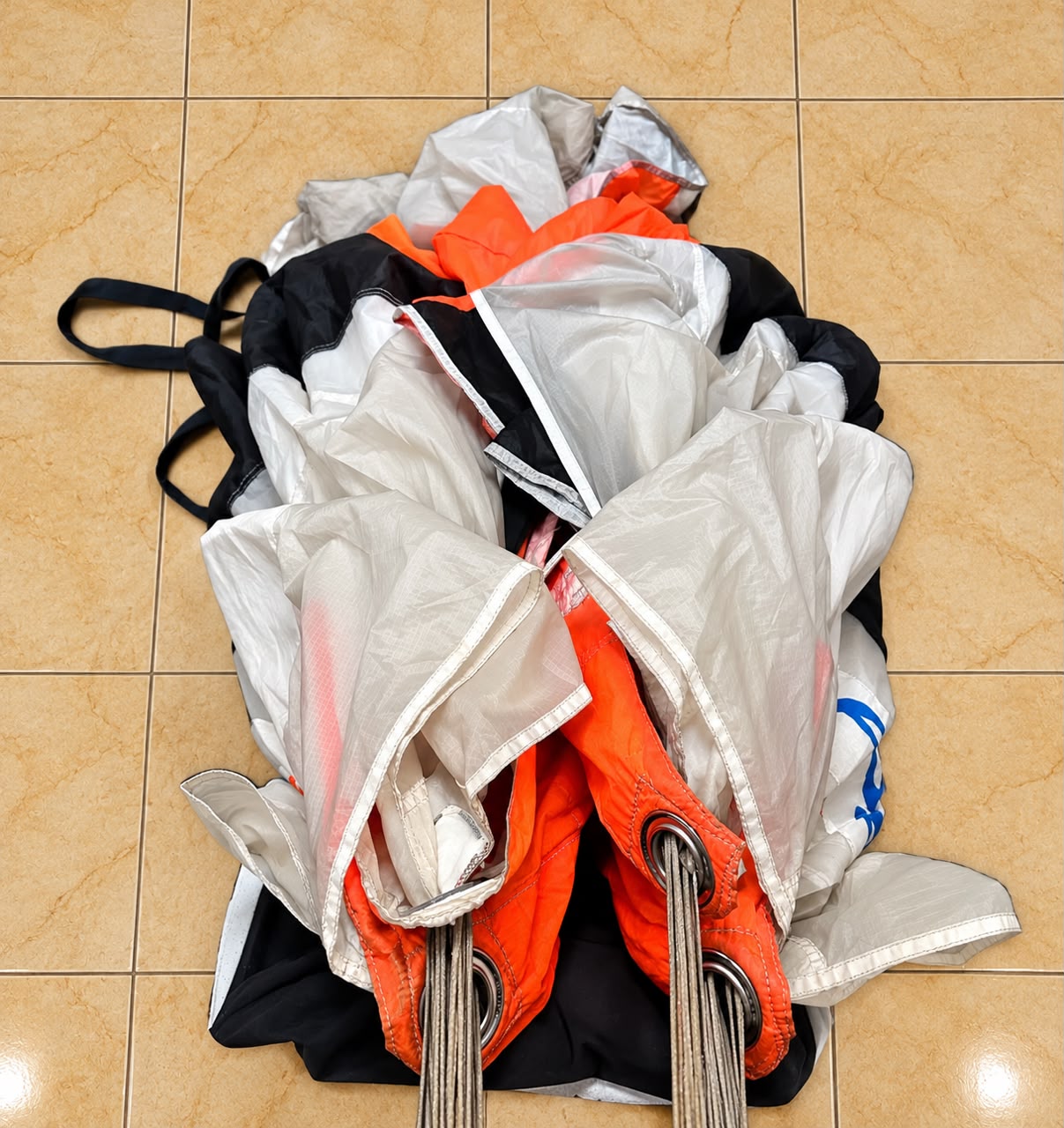
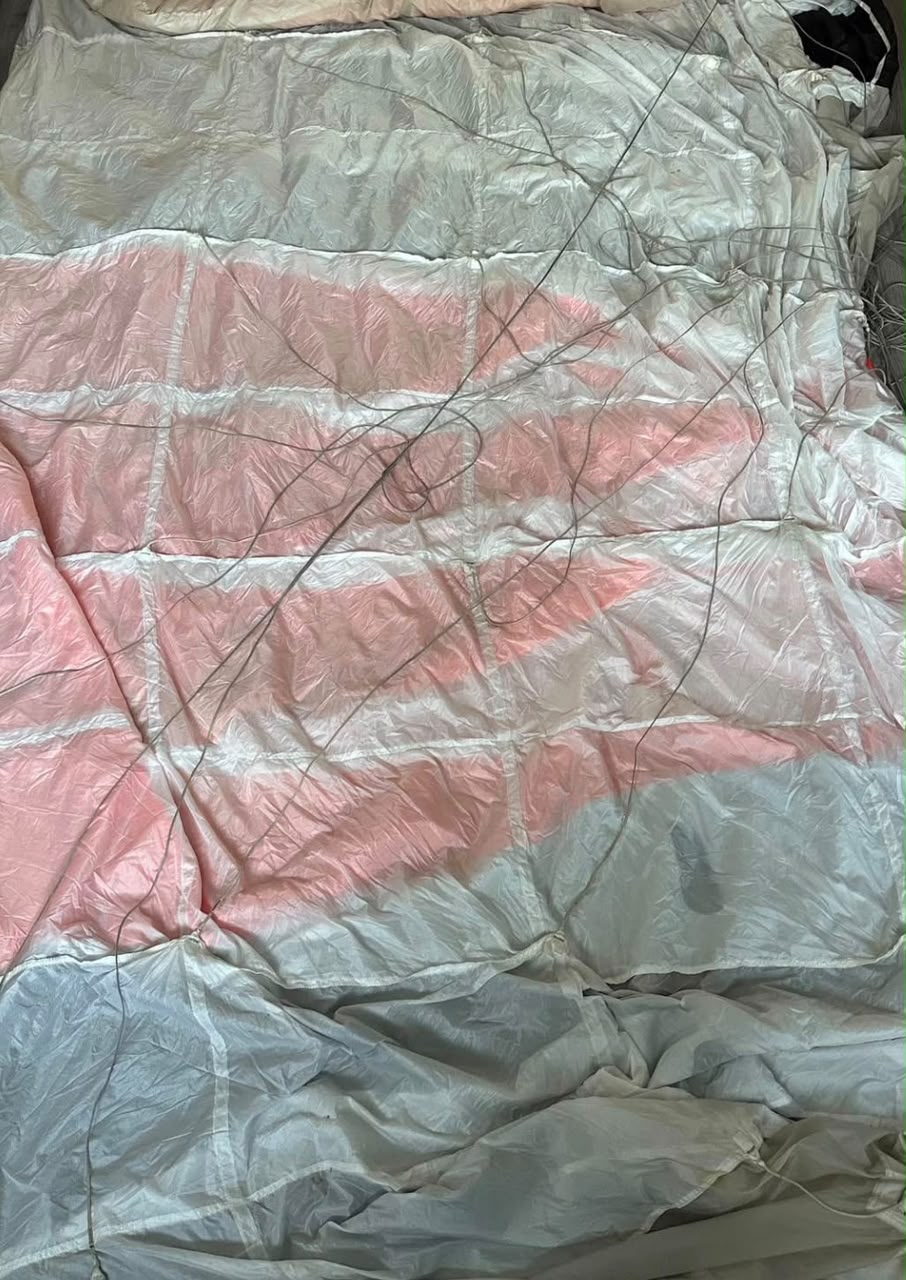
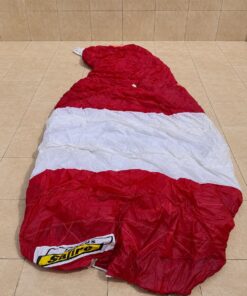
Used PD Pulse 190 – Performance Designs Main Parachute Canopy
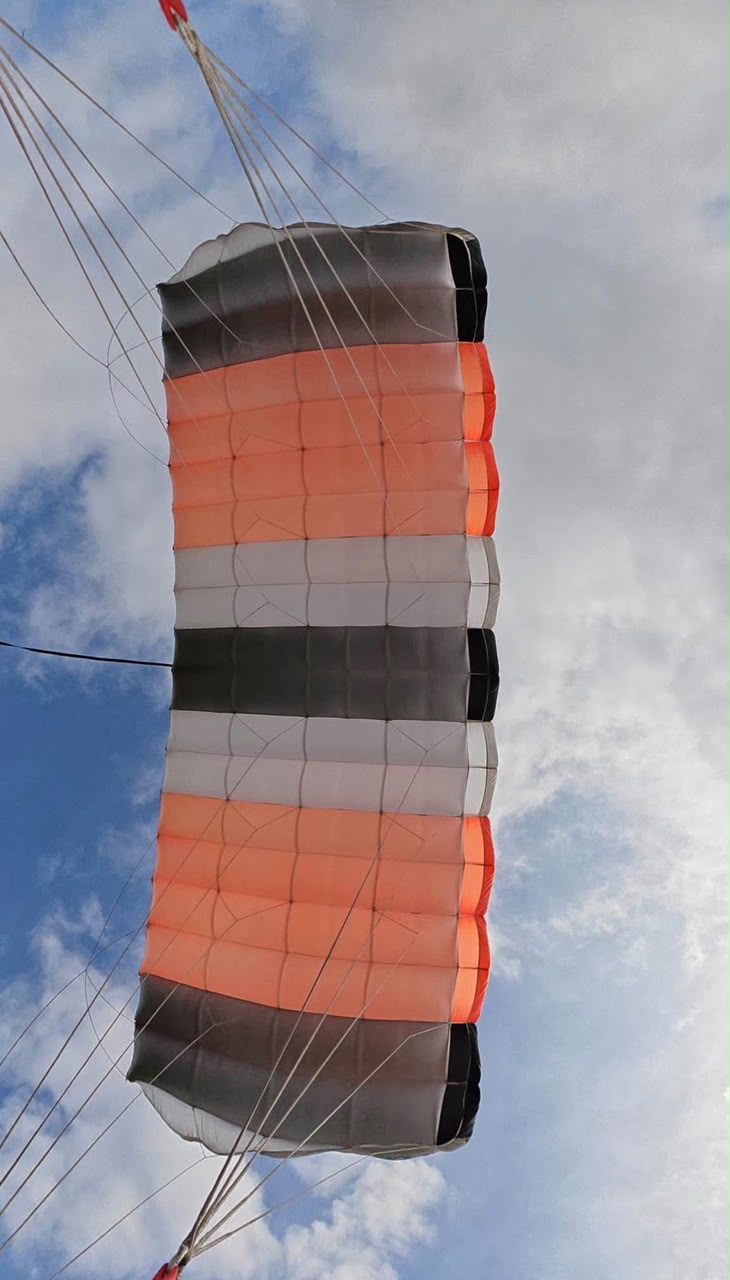
The Used PD Pulse 190 is a premium 9-cell skydiving canopy designed for smooth openings, efficient glide, predictable flight characteristics and low packing volume. Manufactured by Performance Designs, this lightweight main parachute combines advanced fabric technology with reliable aerodynamic engineering.
Key Features & Specifications:
- Brand: Performance Designs (PD)
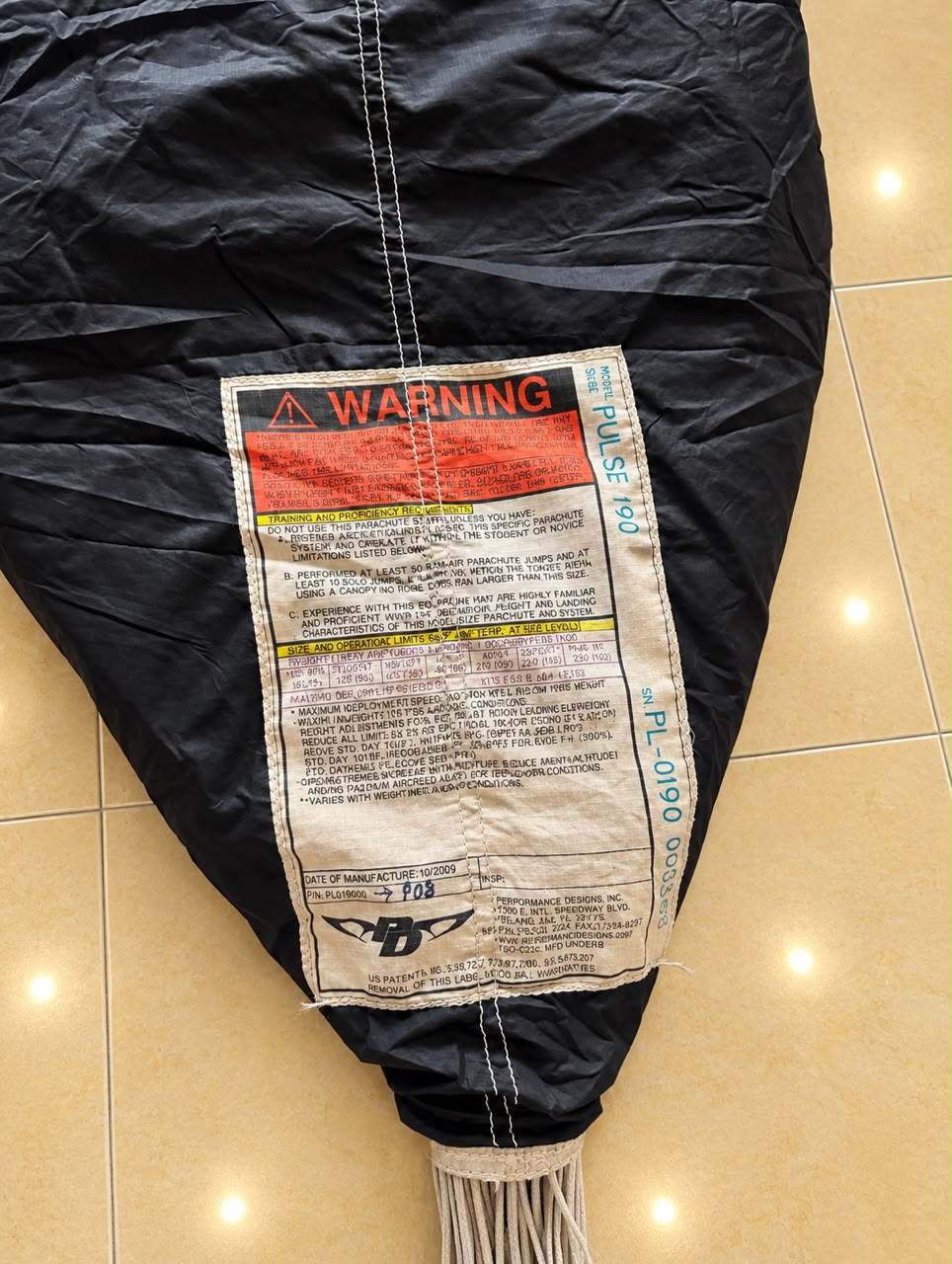
- Model: Pulse 190
- Canopy Size: 190 sq. ft.
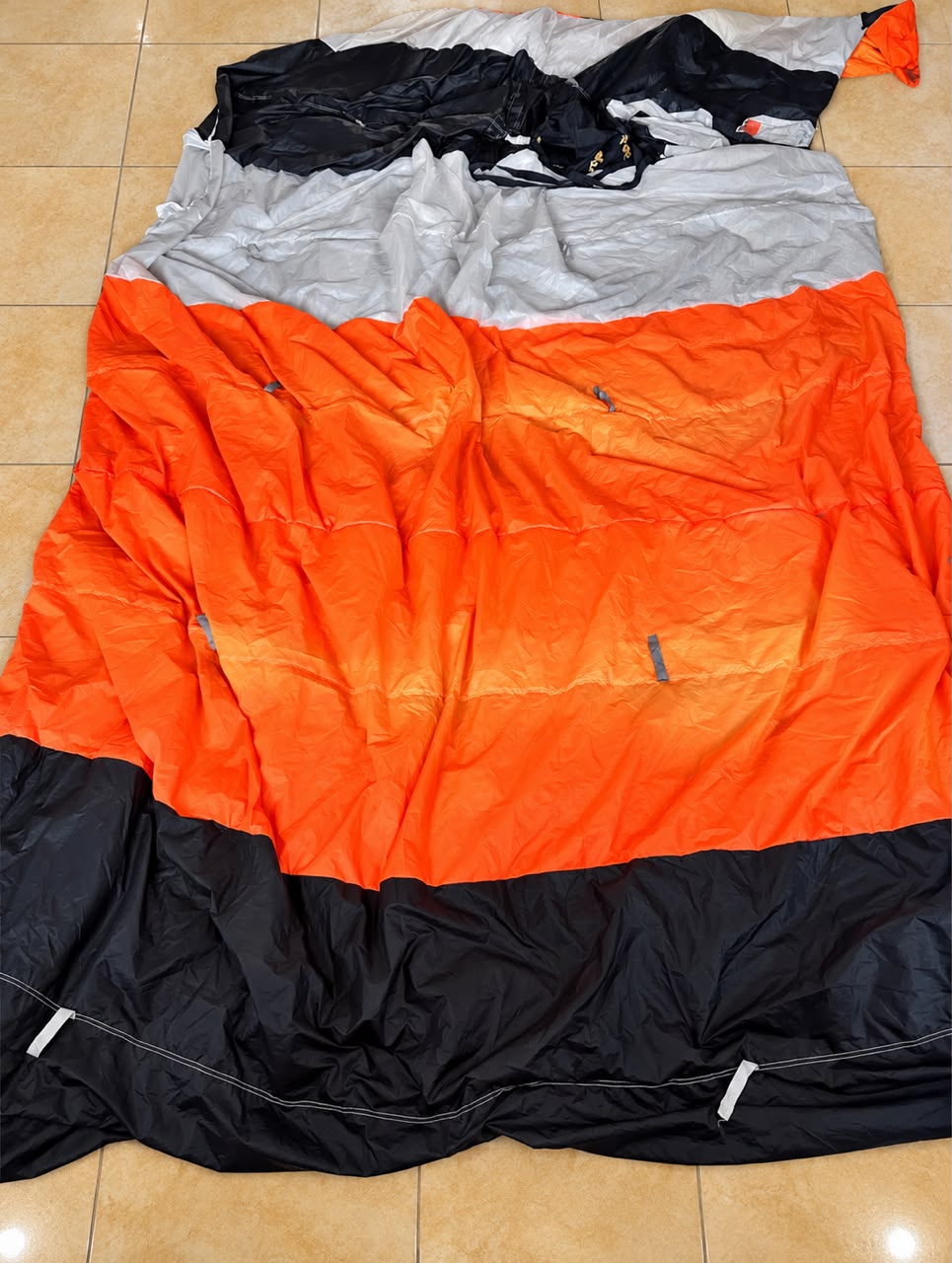
- Condition: Used – reportedly very good
- Total Jumps: Approximately 850
- Previous Jumps at Purchase: Approximately 600
- Ownership Since: November 2025
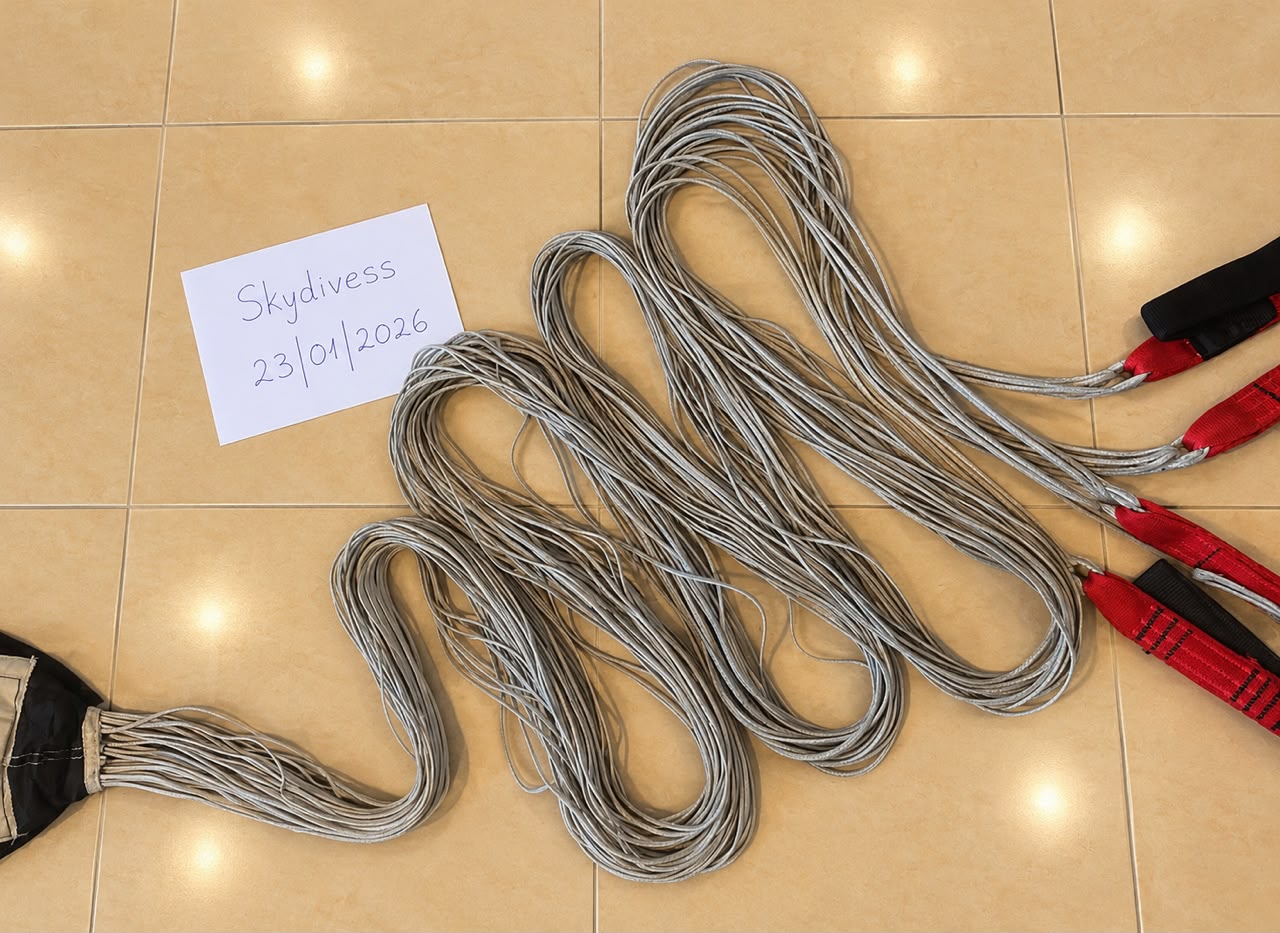
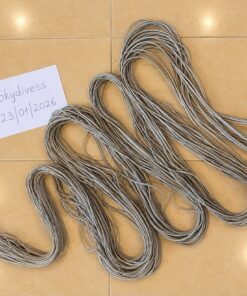
- Lineset: Replaced before purchase, approximately 250 jumps since replacement
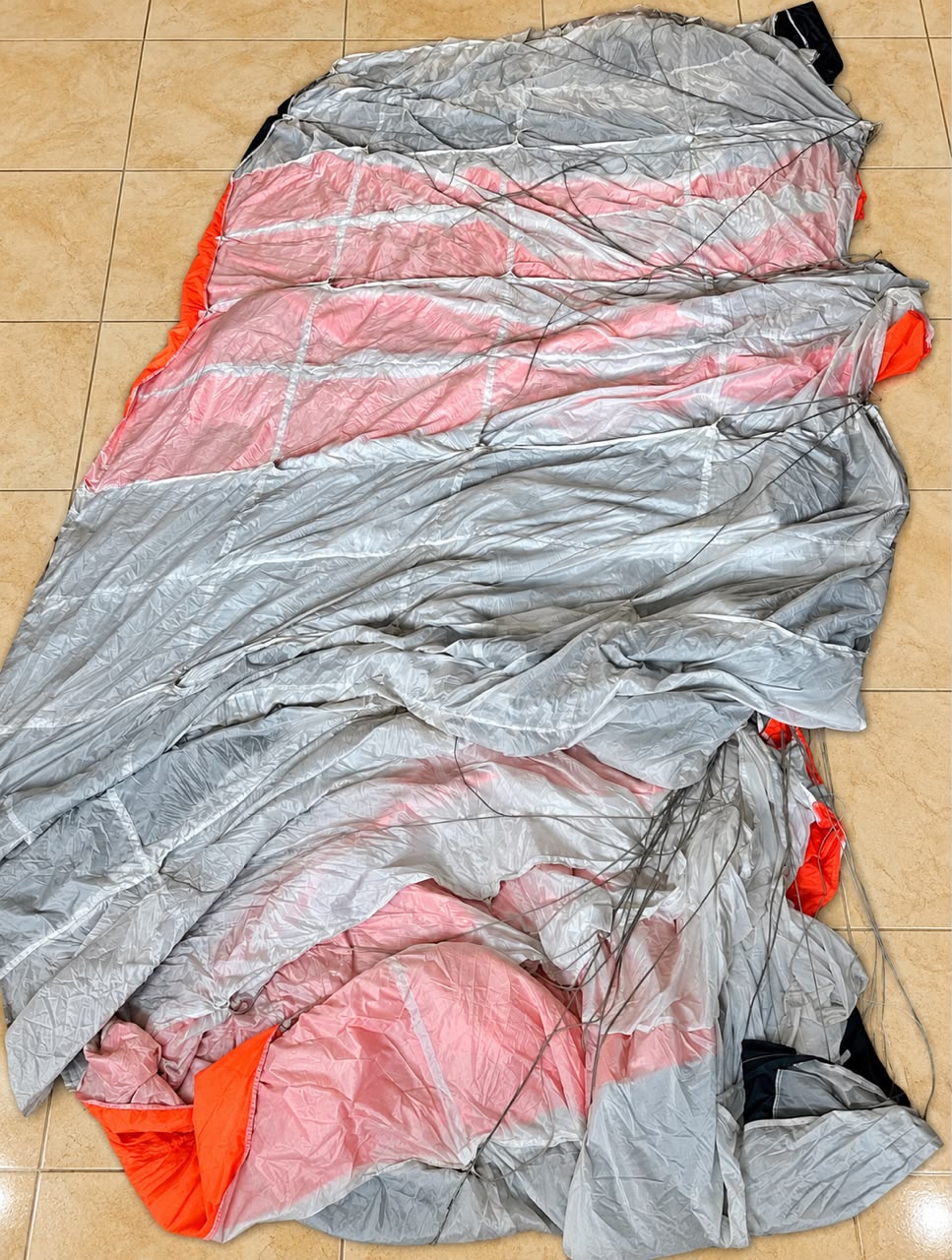
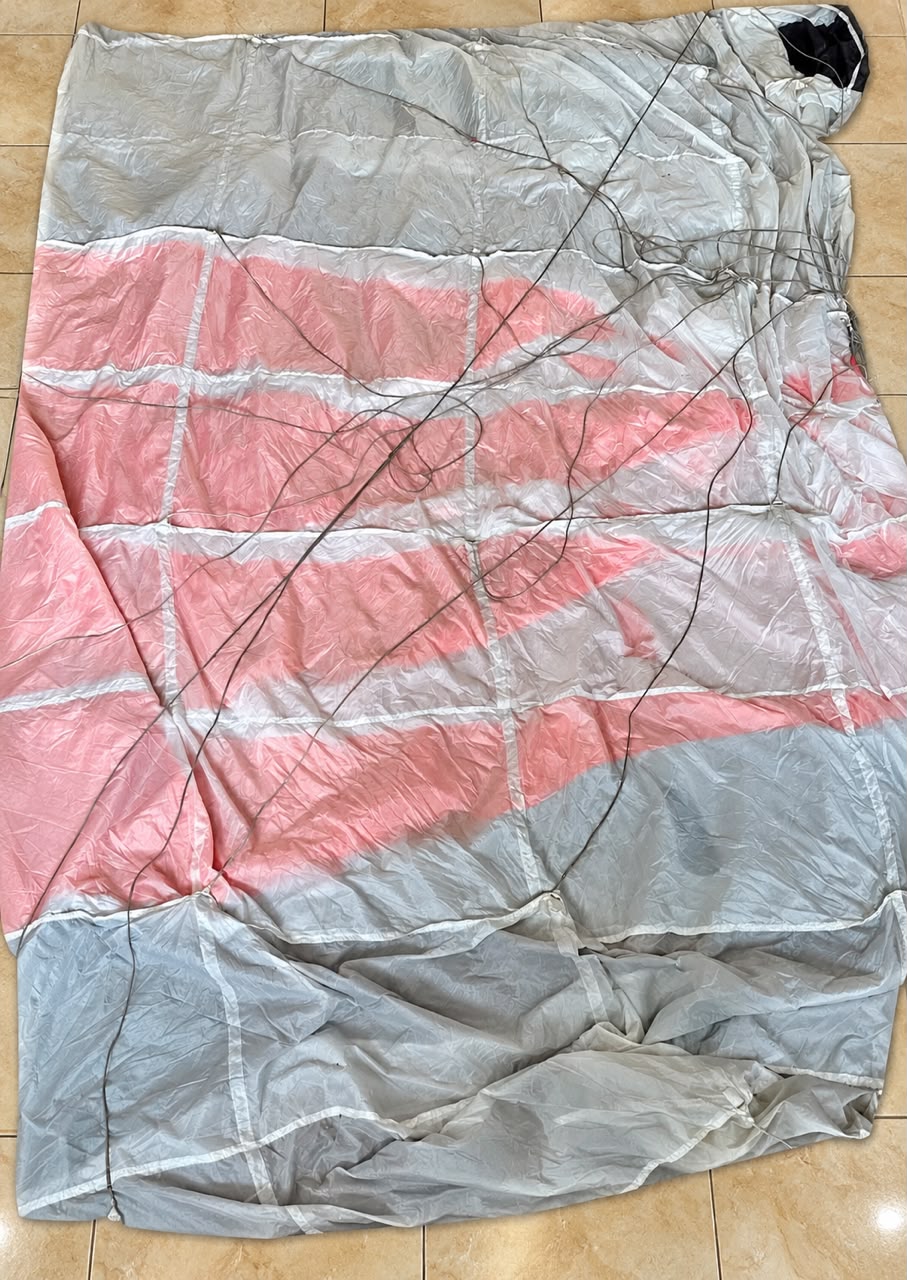
- Fabric Condition: No reported holes
- Design: 9-cell, lightly elliptical canopy
- Material: Low-pack-volume fabric construction
- Performance: Smooth openings, efficient glide and responsive handling
- Ideal For: Suitably qualified recreational skydivers
The PD Pulse 190 offers an excellent combination of compact packing, quality construction and enjoyable flight characteristics. With its reported good condition and relatively recent lineset replacement, this pre-owned canopy is an attractive option for experienced buyers seeking dependable Performance Designs equipment.
Professional inspection, container compatibility verification and appropriate wing-loading assessment are checked and all good to go.
Used PD Pulse 190 – Performance Designs Main Parachute Canopy with Low-Pack-Volume Technology, Smooth Openings and Exceptional Glide Performance
Used PD Pulse 190 – Premium Skydiving Canopy, Advanced Aerodynamic Engineering, Smooth Openings and Exceptional Flight Performance
Used PD Pulse 190 – High-Quality Performance Designs Parachute Canopy
The Used PD Pulse 190 is a versatile, nine-cell main parachute canopy engineered by Performance Designs for skydivers seeking smooth deployments, efficient glide characteristics and a compact packing volume.
This pre-owned canopy has approximately 850 jumps, with around 600 recorded before its purchase by the current owner in November 2025. Furthermore, a brand-new lineset was installed before that purchase, meaning approximately 250 additional jumps have been completed since the reported replacement.Used PD Pulse 190 canopy
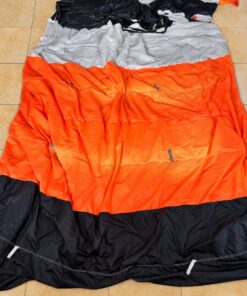
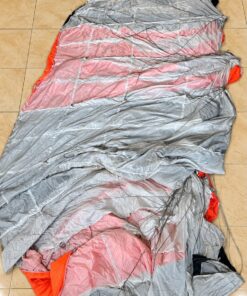
The canopy is described as being in very good condition, with no reported holes. Its previous owner particularly enjoyed its flight characteristics, making this example an attractive option for suitably qualified recreational jumpers.
PD Pulse 190 – Condition, Jump History and Lineset Information
A clear maintenance history is essential when considering second-hand parachute equipment.
Product Specifications and Condition:
-
Manufacturer: Performance Designs (PD)
-
Model: Pulse 190
-
Canopy size: 190 square feet
-
Condition: Used, reportedly very good
-
Total jumps: Approximately 850
-
Previous ownership usage: Approximately 600 jumps
-
Current ownership: Since November 2025
-
Additional jumps: Approximately 250
-
Lineset: Replaced before November 2025 purchase
-
Fabric condition: No holes reported
-
Construction: Nine-cell, lightly elliptical ram-air canopy
-
Fabric technology: Zero-porosity upper surface and proprietary low-bulk fabric
-
Suspension lines: Vectran in the standard manufacturer configuration
-
Date of manufacture: Not provided
-
Professional inspection: Required before use
Although the canopy is reportedly in very good condition, its fabric strength, porosity, lines, seams and previous repairs should be inspected by a qualified parachute rigger.
Advanced Canopy Flight, Skydiving Speed and Aerodynamic Performance
The Pulse is designed around a relatively flat glide, soft on-heading openings and a shorter deployment snivel. Furthermore, its short recovery arc and approachable landing characteristics distinguish it from more aggressive high-performance canopy designs.
Skydivers researching canopy flight, skydiving speed, speed sky diving and landing flight risers will encounter different canopy configurations developed for distinct experience levels.
Meanwhile, searches for Safire 3, Fluid Wings, smallest canopy and skydiving downsizing chart concern alternative equipment and sizing considerations.
Nevertheless, actual performance depends on exit weight, canopy condition, environmental factors and the jumper’s training.
Low-Pack-Volume Technology and Parachute Rig Compatibility
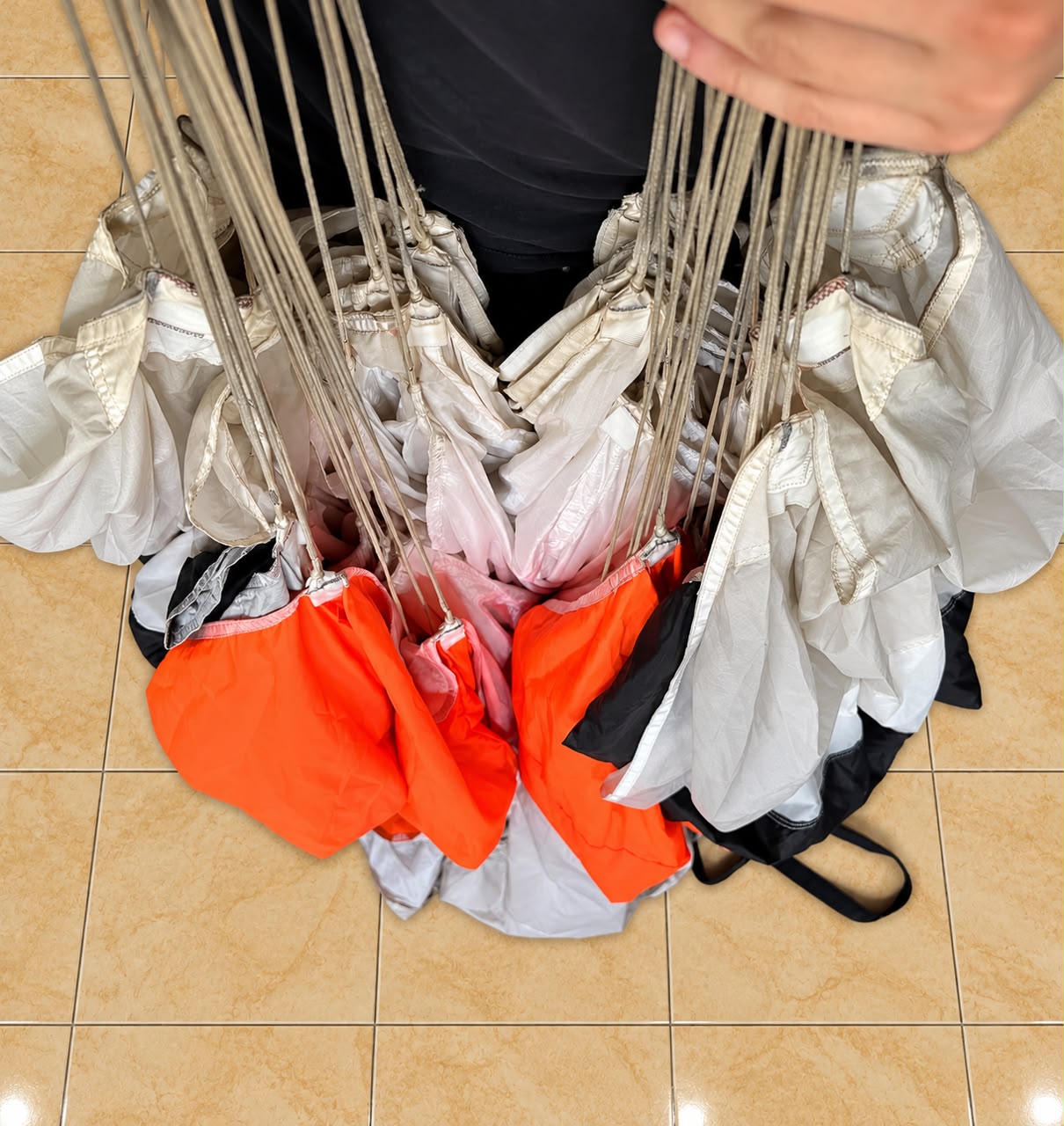
The canopy combines zero-porosity fabric with Performance Designs’ proprietary low-bulk material. Consequently, its packing volume can be approximately one size smaller than that of a comparable full-ZP canopy.
This feature is particularly relevant when evaluating a parachute rig, skydiving rig or container skydive configuration.
Related equipment searches include parts of a parachute, skydiving rigging, linewear, freefly pud handle and skydiving equipment list.
However, compatibility must always be verified by a qualified rigger rather than assumed from canopy size or reduced packing volume.
Wingsuit Sport, Tracking Jump and Advanced Skydiving Equipment
The broader skydiving community includes enthusiasts interested in tracking jump, wingsuit sport, wingsuit, vector wingsuit, gliding suit wingsuit and skydiving gliding suit equipment.
Other searches include wing suits for sale, fly suits, price of wingsuit, tandem wingsuit, indoor wingsuit and skydiving tube.
The Pulse’s low pack volume and deployment characteristics have made it relevant to some wingsuit applications. However, suitability for any particular discipline requires qualified evaluation.
Additionally, base jumping, baseline jumping, base canopy, jumper pilot and CRW skydiving involve distinct equipment considerations that should not be confused with standard sport-skydiving canopy requirements.
Skydiving Helmet, Protective Gear and Emergency Equipment
Protective equipment remains important for responsible aerial sporting activities.
Common searches include skydiving helmet, skydive helmets, sky helmet skydiving, sky diving helmet, full face skydiving helmet and skydiving helmet full face.
Popular examples include the Cookie G4 helmet and G35 helmet, while buyers may also compare the best skydiving helmet, skydiving glasses and skydiver goggles.
Questions such as can you wear glasses while skydiving should be addressed according to the requirements of the operator and selected protective equipment.
Emergency-related searches include hook blade knife, hook knife skydiving, skydive hook knife, fire parachute and cypress fire skydiving.
Furthermore, a gear bag skydive search may help identify suitable equipment storage accessories.
International Skydiving Destinations and Recreational Opportunities
Enthusiasts exploring parachute jump Australia, Skydive Byron Bay, Cairns skydiving and weight limit skydiving can find different operators with their own participation requirements.
Other destinations and facilities include Skydive Belize, skydiving Blue Hole Belize and iFLY Colorado Springs.
Meanwhile, online searches such as skydiving website, new skydive and #skydiving latest frequently cover equipment developments and sporting experiences.
Niche searches, including nude parachute jump and skydiving nude, describe recreational interests unrelated to this canopy’s technical specifications.
Why Choose This Pre-Owned Main Canopy?
The Used PD Pulse 190 combines established manufacturer engineering, reduced packing volume and a disclosed ownership history.
Its approximately 850 reported jumps and replacement lineset provide useful context for evaluating its value, while the absence of reported holes is a positive condition detail.
Furthermore, the model’s relatively flat glide and smooth opening characteristics appeal to many recreational skydivers seeking a versatile nine-cell design.
However, its condition must be professionally verified, and canopy selection should reflect the jumper’s experience, exit weight and current manufacturer guidance.
For a suitably qualified buyer, this pre-owned canopy offers an attractive combination of aerodynamic efficiency, practical packing characteristics and established Performance Designs craftsmanship.
Advanced Aerodynamic Engineering, Exceptional Flight Characteristics, Premium Canopy Construction, Long-Term Durability and Ownership Benefits
Understanding the Engineering Behind a High-Quality Main Parachute
The development of a reliable main parachute requires a sophisticated combination of aerodynamic research, textile engineering, structural design and manufacturing precision. Every component contributes to the overall performance of the equipment, while the relationship between these components determines how the complete canopy behaves during deployment, flight and descent.
Unlike conventional sporting fabrics, specialized parachute materials must meet demanding technical requirements. Their strength, air permeability, weight and dimensional stability influence the characteristics of the finished product. Furthermore, manufacturers must consider how these materials respond to repeated use, environmental exposure and long-term storage.
A carefully engineered parachute represents far more than a collection of fabric panels and suspension lines. Its design incorporates aerodynamic surfaces, internal supporting structures, reinforced attachment points and carefully manufactured connecting components. Consequently, the quality of the complete system depends on consistency throughout the manufacturing process.
Modern parachute development combines established aerodynamic principles with advanced production techniques. Computer-aided design, controlled cutting processes and specialized stitching methods can help manufacturers produce components within appropriate dimensional tolerances.
However, manufacturing technology alone does not guarantee exceptional quality. Material selection, assembly procedures and inspection standards remain equally important.
For experienced skydivers, a well-developed canopy offers the appeal of proven engineering combined with carefully considered handling characteristics. Nevertheless, the actual suitability of any parachute depends on individual experience, equipment configuration, verified condition and professional assessment.
Why Aerodynamic Efficiency Matters in Modern Parachute Design
Aerodynamic efficiency is a fundamental consideration in the development of ram-air parachutes. It describes the relationship between the forces acting on the canopy as it travels through the surrounding atmosphere.
Lift and drag influence the overall behavior of the wing. However, these forces vary according to airspeed, canopy geometry, loading and environmental conditions.
Consequently, manufacturers must balance multiple design characteristics rather than maximizing one performance measurement in isolation.
A canopy designed for a relatively flat glide may provide different characteristics from a model developed around more aggressive turning performance or specialized competition objectives.
Furthermore, the relationship between stability and responsiveness influences the overall handling experience.
Designers must consider how the canopy behaves across its intended operating range, including the effects of changing atmospheric conditions and different loading configurations.
The quality of a parachute should therefore not be judged solely by its advertised forward speed or glide potential.
Instead, its intended application, manufacturer recommendations and suitability for the individual jumper deserve equal consideration.
For recreational skydivers, a balanced design may offer a more appropriate ownership experience than equipment developed primarily for highly specialized applications.
The Importance of Nine-Cell Canopy Construction
Nine-cell construction represents a well-established approach to ram-air parachute design.
A canopy of this type contains nine principal cells distributed across its span. These cells form part of the wing’s internal structure and contribute to its aerodynamic shape when properly inflated.
However, the number of cells alone does not determine flight characteristics.
The canopy’s planform, airfoil, fabric properties, internal ribs and suspension-line arrangement also influence its behavior.
Consequently, two nine-cell parachutes may perform differently despite sharing the same basic cell count.
Manufacturers develop individual configurations according to specific design objectives.
Some emphasize compact packing characteristics, while others prioritize particular aerodynamic or handling qualities.
Furthermore, construction methods influence durability and long-term serviceability.
Accurately manufactured panels and consistent stitching help preserve the intended shape of the canopy.
The nine-cell arrangement should therefore be understood as one element of a complete engineering system rather than an independent guarantee of performance.
The Relationship Between Airfoil Shape and Glide Characteristics
The airfoil forms the aerodynamic profile of the inflated canopy.
Its shape influences how air moves around the wing and contributes to the relationship between lift and drag.
A carefully designed profile allows manufacturers to establish the intended handling characteristics of a particular parachute.
However, the resulting performance also depends on the canopy’s dimensions, loading and complete structural configuration.
Furthermore, the shape of the airfoil is maintained through the interaction of fabric panels, internal ribs and suspension components.
Changes in material condition or line geometry may affect the original configuration over time.
Consequently, preserving the manufacturer’s intended construction is important for long-term serviceability.
A pre-owned canopy should be assessed for signs of wear or alterations that could influence its structural characteristics.
Although aerodynamic performance can be discussed in general terms, specific results should never be guaranteed without appropriate testing.
The most meaningful evaluation combines original manufacturer information with the present condition of the individual canopy.
Why Fabric Technology Makes a Significant Difference
Technical fabric represents one of the most important elements of modern parachute construction.
Different materials possess different characteristics relating to weight, strength, air permeability and durability.
Manufacturers select fabrics according to the objectives of the overall design.
For example, a fabric with low air permeability may help maintain particular aerodynamic characteristics, while a lower-bulk material can contribute to reduced packing volume.
However, these benefits must be balanced against structural and manufacturing requirements.
Furthermore, materials may respond differently to repeated folding, environmental exposure and ordinary use.
The quality of the original fabric therefore matters alongside the way the canopy has been maintained.
A well-preserved material may retain desirable characteristics over an extended period, although no fabric remains completely unaffected by age or wear.
Consequently, buyers should examine both the manufacturer’s material specifications and the actual condition of the equipment.
Professional testing may be appropriate where fabric condition is uncertain.
Understanding the Advantages of Reduced Packing Volume
Reduced packing volume is an important characteristic of certain modern parachute designs.
The amount of space occupied by a packed canopy depends on several factors, including fabric thickness, construction, size and packing method.
Lower-bulk materials can reduce the overall volume compared with alternative fabrics of similar nominal canopy area.
However, reduced packing volume does not automatically establish compatibility with every container.
Manufacturers specify acceptable volume ranges for their equipment, and these requirements must be respected.
Furthermore, individual canopies can pack differently depending on fabric condition and construction.
For this reason, a professional compatibility assessment is necessary before combining components.
The practical benefit of reduced bulk lies in providing additional flexibility within appropriately approved equipment configurations.
Nevertheless, convenience should never take priority over the manufacturer’s compatibility requirements.
A complete system must remain within its intended operating specifications.
The Importance of Quality Suspension-Line Materials
Suspension lines connect the canopy to the associated parachute system and perform a critical structural function.
Their material properties influence strength, durability and dimensional consistency.
Different manufacturers use various specialized fibres according to their design requirements.
Furthermore, individual line materials can experience different forms of wear during service.
Repeated use, contamination and environmental exposure may affect their condition.
Consequently, suspension lines require appropriate inspection throughout the life of the canopy.
A replacement lineset can represent an important maintenance event, especially when the work has been completed according to the manufacturer’s specifications.
However, a relatively recent replacement does not eliminate the need for further inspection.
The lines may still have experienced wear, contamination or changes in their properties.
Qualified professionals should evaluate their condition and confirm that the correct materials and construction have been used.
Why Lineset Replacement History Matters
A documented lineset replacement provides valuable information about the maintenance history of a pre-owned parachute.
It can help prospective buyers understand when an important group of components was last renewed.
Furthermore, the number of jumps completed after replacement offers useful context.
However, jump count alone cannot establish the remaining service life of the lines.
Material type, environmental conditions, packing practices and previous maintenance all influence their condition.
Consequently, a professional inspection should remain part of the purchasing process.
Documentation of the replacement can also help verify that the work was completed by an appropriately qualified specialist.
The manufacturer’s specifications should determine the acceptable materials and procedures.
Where records are unavailable, the history should be described as reported rather than independently confirmed.
Transparent information supports more informed purchasing decisions.
The Value of Smooth and Predictable Deployment Characteristics
Deployment behavior is an important consideration in parachute design.
Manufacturers develop different canopy configurations with particular inflation and opening characteristics in mind.
However, actual deployment behavior depends on the complete system and the circumstances of use.
Factors such as equipment condition, packing quality and associated deployment components may influence the experience.
Consequently, a manufacturer’s general description should not be interpreted as a guarantee that every deployment will feel identical.
Furthermore, a canopy’s previous opening history may provide useful context without predicting every future event.
For pre-owned equipment, the condition of the deployment-related components should be evaluated professionally.
A well-maintained system supports confidence in the equipment’s conformity with its intended specifications.
Nevertheless, appropriate training and established emergency procedures remain essential.
No parachute design eliminates the possibility of an abnormal deployment.
Understanding the Meaning of Consistent Flight Characteristics
Consistency is frequently valued in recreational parachute equipment.
A canopy with recognizable handling characteristics can help an appropriately qualified jumper develop familiarity with the equipment.
However, consistency does not mean that every flight will occur under identical conditions.
Wind, turbulence, air density and other environmental factors vary.
Furthermore, the jumper’s exit weight and equipment configuration influence performance.
Consequently, the same model may feel different to individuals with different experience levels or loading arrangements.
Manufacturers provide guidance intended to help users evaluate suitability.
Qualified instructors and canopy coaches can provide additional assessments.
For purchasers considering second-hand equipment, consistency should also be evaluated in relation to material condition.
Wear or unauthorized modifications can affect the original design characteristics.
Therefore, professional inspection remains necessary before use.
The Importance of Manufacturer-Defined Wing Loading
Wing loading describes the relationship between the suspended weight and the canopy’s nominal surface area.
It is an important specification in parachute equipment selection.
However, the same numerical loading can produce different handling characteristics across different canopy designs.
Consequently, wing loading should never be used as the sole basis for determining suitability.
Jumper experience, previous training, canopy model and environmental conditions must also be considered.
Furthermore, the manufacturer’s recommendations may establish specific limitations or guidance.
A larger canopy is not automatically suitable for every beginner, just as a smaller canopy is not inherently appropriate for every experienced jumper.
Responsible selection requires individualized assessment.
Qualified instructors, canopy coaches and riggers can help evaluate whether a particular configuration meets the intended user’s requirements.
Why Experience Matters When Selecting a Main Canopy
Parachute equipment should be selected according to verified experience rather than appearance or marketing claims.
Different canopy designs can present different handling characteristics.
Furthermore, the experience required for safe and appropriate use may vary between models.
A participant who has completed numerous jumps on one configuration may still require additional instruction before changing to another.
Consequently, previous experience should be evaluated in relation to the specific equipment under consideration.
Training organizations and drop zones may also establish their own requirements.
These policies should be respected alongside manufacturer guidance.
Owning a canopy does not automatically establish the competence required to use it.
Responsible equipment selection involves choosing a configuration appropriate to the individual’s current qualifications.
The Importance of Suitable Container Compatibility
A main parachute must be compatible with the harness-container system in which it will be installed.
Manufacturers specify acceptable canopy sizes or packing-volume ranges for different container configurations.
However, nominal canopy area does not always provide a complete indication of packing volume.
Fabric construction and material characteristics can influence the space occupied by a packed parachute.
Consequently, compatibility should be verified using the relevant manufacturer information.
A qualified rigger can assess the complete equipment configuration and identify any concerns.
Furthermore, the deployment system must remain appropriate for the intended assembly.
The fact that a canopy physically fits into a container does not establish that the combination is approved.
Manufacturer-defined requirements should take priority over assumptions based on appearance or informal comparisons.
Appreciating the Benefits of Established Manufacturing Standards
Established manufacturers often develop their reputation through consistent product quality and ongoing technical development.
Their manufacturing processes may incorporate specialized fabric cutting, controlled stitching and detailed inspection procedures.
Furthermore, production experience can support refinement of established designs.
However, a recognized brand name does not eliminate the possibility of defects or wear.
Each individual product must still be evaluated according to its present condition.
For pre-owned parachutes, original construction quality provides an important starting point.
Nevertheless, previous use, repairs and storage conditions remain significant.
A responsible buyer should therefore consider both manufacturer reputation and documented equipment history.
The Importance of Accurate Stitching and Seam Construction
Stitching joins the individual fabric panels and contributes to the structural integrity of a parachute.
Different seams may serve different purposes within the overall design.
Some contribute to the aerodynamic structure, while others reinforce areas that experience particular loads.
Consequently, appropriate stitch construction is essential.
The quality of stitching depends on thread selection, manufacturing technique and consistency.
Furthermore, seams can experience wear or damage during use.
Loose threads, fabric distortion or visible deterioration should receive professional attention.
However, the absence of obvious damage does not necessarily confirm that every seam remains satisfactory.
A qualified inspection provides a more reliable assessment.
Unauthorized repairs should be avoided because inappropriate stitching or materials may affect the original engineering characteristics.
Understanding the Importance of Fabric Porosity
Air permeability is a fundamental property of parachute fabric.
It describes how readily air can pass through the material under specified conditions.
Different canopy designs may use fabrics with different permeability characteristics.
These characteristics contribute to the overall aerodynamic design.
However, the significance of a particular measurement depends on the manufacturer’s specifications.
Furthermore, fabric properties can change with use, contamination and environmental exposure.
Consequently, older equipment may require additional evaluation.
Professional testing can help determine whether the material remains within acceptable limits where such testing is appropriate.
A visual inspection alone cannot establish every technical property of the fabric.
Buyers should therefore avoid assuming that a canopy with no visible holes necessarily retains all its original material characteristics.
Why a Lack of Visible Holes Is an Encouraging Condition Detail
The absence of reported holes is a positive feature when evaluating used parachute equipment.
Visible fabric damage can raise concerns about structural integrity, previous handling or environmental exposure.
However, a canopy can have other forms of deterioration without obvious holes.
These may include fabric wear, damaged stitching, altered material properties or localized contamination.
Consequently, the description of a canopy as having no holes should be interpreted as one element of its reported condition.
Professional inspection remains necessary.
Furthermore, sellers should disclose any known patches, previous repairs or areas of unusual wear.
A complete and transparent condition report is more useful than a broad statement about appearance alone.
Why Professional Inspection Is Essential Before Use
Professional inspection plays a central role in responsible ownership of pre-owned parachute equipment.
A qualified rigger can assess the canopy’s condition and determine whether further evaluation or maintenance is necessary.
The inspection should follow applicable regulations and manufacturer requirements.
Furthermore, it can identify issues that may not be visible in ordinary product photographs.
The condition of fabrics, lines, seams and associated components may require closer examination.
Consequently, purchasing decisions should not rely exclusively on the seller’s description.
A favorable inspection provides greater confidence in the equipment’s technical condition.
However, suitability for a particular jumper remains a separate consideration.
The equipment must also be compatible with the intended system and appropriate for the user’s qualifications.
Understanding the Value of Documented Maintenance
Maintenance records provide valuable information about the history of technical sporting equipment.
They may identify previous repairs, replacements, inspections and significant changes to the configuration.
Furthermore, documentation can help future technicians understand the work previously completed.
A complete record is particularly useful when a canopy has passed through several owners.
However, not every maintenance event is necessarily documented.
Where information is incomplete, the uncertainty should be acknowledged.
Prospective buyers should distinguish between verified records and estimates supplied by previous owners.
This approach helps establish realistic expectations and supports informed decision-making.
The Importance of Previous Ownership History
Previous ownership can influence the condition of a parachute in several ways.
Different owners may follow different maintenance routines, storage practices and sporting schedules.
Furthermore, the equipment may have been used under varying environmental conditions.
A canopy exposed to excessive sunlight, moisture or contamination may experience different forms of deterioration from one stored under carefully controlled conditions.
Consequently, the age and usage history should be evaluated together.
Information about prior repairs and alterations is also important.
Where possible, buyers should obtain accurate details from previous owners.
However, a transparent statement of uncertainty is preferable to an unsupported guarantee.
Professional inspection remains the final safeguard when documentation is incomplete.
Why Total Jump Count Is Only One Condition Indicator
Jump count is frequently used to describe the history of second-hand parachutes.
It provides a useful indication of how much the equipment has reportedly been used.
However, it does not fully describe material condition or remaining serviceability.
Two canopies with similar jump counts may have experienced very different environmental and handling conditions.
Furthermore, major component replacements can create separate maintenance histories.
Consequently, buyers should evaluate the number of jumps alongside fabric condition, line history and previous repairs.
A relatively high usage count does not automatically mean that the equipment is unsuitable.
Likewise, low usage does not guarantee satisfactory condition.
The actual serviceability of the individual parachute must be determined through appropriate inspection.
Understanding Long-Term Durability in Modern Parachute Materials
Durability depends on material quality, construction methods, previous use and maintenance.
Modern parachute fabrics are developed to meet demanding technical requirements.
However, no textile material remains permanently unaffected by environmental exposure or mechanical wear.
Repeated handling may influence coatings and fabric surfaces.
Furthermore, sunlight and chemical contamination can contribute to degradation.
Consequently, long-term durability requires suitable care throughout the equipment’s service life.
Owners should follow the manufacturer’s guidance and avoid unapproved cleaning or repair methods.
Regular inspection can help identify developing concerns.
However, technical serviceability must ultimately be assessed according to the relevant requirements rather than general appearance.
Protecting the Canopy From Ultraviolet Exposure
Ultraviolet radiation can affect certain synthetic textile materials.
Prolonged exposure to strong sunlight may contribute to gradual deterioration.
The extent of the effect depends on the material and exposure conditions.
Consequently, unnecessary prolonged sunlight exposure should be avoided during storage.
The equipment should also be protected from excessive heat where possible.
Furthermore, an enclosed vehicle exposed to intense sunlight may create an undesirable storage environment.
A clean, dry and appropriately protected location is generally preferable.
Manufacturer recommendations should guide the precise storage arrangements.
Preventive care can help preserve the material’s condition over time.
Why Moisture Protection Matters
Moisture can contribute to several problems when technical textiles remain damp for extended periods.
Prolonged storage in unsuitable conditions may encourage contamination, unpleasant odours or deterioration.
Furthermore, moisture may affect adjacent components within a complete equipment system.
Consequently, owners should avoid storing parachute materials in damp containers or carrying bags.
If equipment becomes wet, the manufacturer’s recommended procedures should be followed.
Unapproved heat-based drying methods may be inappropriate for certain fabrics.
Professional advice should be obtained when the correct treatment is uncertain.
Protecting the canopy from unnecessary moisture exposure supports responsible long-term maintenance.
The Importance of Keeping Technical Fabrics Clean
Cleanliness contributes to the preservation of specialized textile equipment.
Dust, grit and other contaminants can accumulate during ordinary use.
Furthermore, abrasive particles may contribute to localized wear when trapped between fabric surfaces.
However, cleaning methods must be chosen carefully.
Ordinary household detergents, solvents and stain removers may not be appropriate for parachute materials.
Consequently, manufacturer-approved procedures should take priority.
Aggressive scrubbing should be avoided because it can damage fabric surfaces or coatings.
Where contamination involves unknown substances, a qualified specialist should evaluate the equipment.
A visually clean canopy is desirable, but technical integrity remains more important than cosmetic appearance.
Understanding the Importance of Proper Storage
Storage conditions influence the long-term condition of a parachute.
A suitable location should protect the equipment from unnecessary moisture, direct sunlight, extreme heat and chemical contamination.
Furthermore, the storage area should remain free from sharp objects or abrasive surfaces.
Protective bags can help reduce accidental contact with dirt and other materials.
However, a bag does not automatically provide complete environmental protection.
The equipment should also be stored according to the manufacturer’s recommendations.
Improper compression or prolonged exposure to unsuitable conditions may create additional concerns.
Regular visual checks can help identify obvious deterioration.
Nevertheless, professional inspection remains necessary when serviceability is uncertain.
Why Careful Transportation Is Important
Transportation exposes equipment to handling conditions that differ from ordinary storage.
Bags may be moved repeatedly, placed against hard surfaces or exposed to changing temperatures.
Consequently, appropriate protection is important.
A dedicated equipment bag can help organize the canopy and reduce unnecessary contact with abrasive materials.
Furthermore, careful handling reduces the risk of accidental contamination.
However, equipment should not be placed near chemicals, fuels or other potentially damaging substances.
During travel, the requirements of airlines, sporting facilities and relevant authorities should also be considered.
Responsible transportation helps preserve the condition of the equipment between authorized sporting activities.
The Importance of Avoiding Unauthorized Repairs
Technical parachute equipment should not be repaired using ordinary clothing-repair methods.
Specialized fabrics, stitching and structural components may require approved materials and procedures.
Consequently, apparently minor alterations can affect the original construction.
Furthermore, improper repairs may create concerns that are not immediately visible.
Owners should therefore seek qualified professional assistance when damage is identified.
The manufacturer may provide repair limitations or specific technical guidance.
A repair should be documented where appropriate.
Preserving the integrity of the original design is essential to responsible maintenance.
Understanding the Benefits of Professional Rigger Support
A qualified parachute rigger provides specialized knowledge concerning equipment inspection and maintenance.
This support can be particularly valuable when purchasing used components.
A rigger may identify signs of deterioration, evaluate previous repairs and confirm compatibility with the intended system.
Furthermore, professional advice can clarify whether additional manufacturer consultation is required.
The qualifications and authorizations of the individual performing the work should match the task.
Not every skydiver or equipment seller possesses the necessary expertise.
Consequently, professional inspection should remain separate from informal opinions about condition.
Why Equipment Compatibility Must Be Verified
A canopy forms part of a larger parachute assembly.
Its suitability depends on compatibility with the intended harness-container and deployment configuration.
Different manufacturers establish specific requirements for their products.
Consequently, nominal size alone should not determine whether a canopy is appropriate.
Packing volume, construction and associated components may influence compatibility.
Furthermore, the individual jumper’s qualifications and physical requirements must be considered separately.
A qualified rigger should assess the equipment combination, while suitable instructors or canopy coaches can help evaluate the intended user’s experience.
Both assessments contribute to responsible ownership.
The Importance of Accurate Product Specifications
Accurate specifications help prospective buyers understand what they are purchasing.
A useful product description should identify the manufacturer, model, nominal size, construction and known maintenance history.
Furthermore, the date of manufacture should be disclosed when available.
Unknown information should not be replaced with assumptions.
For example, a canopy’s age cannot be determined solely from its jump count or appearance.
Similarly, reported maintenance should be distinguished from documented servicing.
Transparent specifications support comparison between different pre-owned options.
They also provide useful context for professional inspection.
Why Pre-Owned Equipment Can Offer Attractive Value
Second-hand parachute equipment can provide access to established manufacturing designs at a lower purchase price than new alternatives.
However, the overall value depends on condition, suitability and foreseeable maintenance expenses.
A lower initial price may be less attractive if extensive repairs or component replacements are required.
Consequently, buyers should consider the complete cost of ownership.
Professional inspection, potential servicing and compatibility assessment may create additional expenses.
Furthermore, the availability of manufacturer support can influence long-term value.
A responsible purchase balances affordability with verified technical condition.
Evaluating Price Against Long-Term Ownership Costs
Purchase price represents only one aspect of equipment ownership.
Maintenance requirements, component replacement and professional servicing can influence overall expenditure.
Furthermore, storage and transportation accessories may add to the initial cost.
Consequently, a realistic budget should include these considerations.
Buyers should also recognize that used equipment can vary considerably in condition.
Two canopies with the same nominal size and manufacturer may have different values because of their maintenance histories.
A documented replacement lineset, satisfactory fabric condition and transparent ownership history can be positive factors.
However, professional inspection remains necessary before these features are relied upon.
The Importance of Choosing Equipment Appropriate to Experience
The most valuable canopy is not necessarily the newest or most technically advanced model.
Instead, suitability depends on the individual’s training, experience and intended recreational activity.
A well-established design can offer meaningful benefits when matched appropriately to the user.
However, the same equipment may be unsuitable for someone with different qualifications.
Consequently, selection should involve qualified professional guidance.
Manufacturer recommendations and local sporting requirements must also be respected.
Responsible ownership begins with recognizing the limits of personal experience.
Why Responsible Ownership Protects Equipment Value
Careful ownership can help preserve both the physical condition and market appeal of technical sporting equipment.
Appropriate storage reduces avoidable environmental exposure.
Furthermore, authorized maintenance helps maintain the original construction.
Keeping accurate records can also support future inspections and resale discussions.
However, no maintenance program guarantees a particular future market value.
Demand, age and condition all influence resale prices.
Consequently, equipment should be purchased primarily for its suitability and verified condition rather than speculative financial appreciation.
The Lasting Appeal of Established Parachute Engineering
Established parachute designs continue to attract interest because they represent the accumulated experience of specialized manufacturers.
Aerodynamic development, fabric technology and construction methods have evolved considerably over time.
Furthermore, successful designs can remain relevant when their characteristics continue to meet the needs of appropriately qualified users.
However, familiarity with a product name should not replace individual assessment.
Every pre-owned canopy has its own maintenance history and present condition.
Consequently, established engineering and professional inspection should be considered together.
This balanced approach provides a more reliable foundation for purchasing decisions.
Final Assessment of Quality, Performance and Ownership Benefits
A high-quality pre-owned main parachute represents a combination of specialized engineering, material technology and responsible maintenance.
Its construction incorporates carefully designed aerodynamic surfaces, technical fabrics and suspension components.
Furthermore, the manufacturer’s original development process establishes the intended characteristics of the complete canopy.
However, the condition of a used example depends on its individual history.
Reported jump counts, replacement lines and visible fabric condition provide useful information, but they cannot independently establish serviceability.
Consequently, professional inspection remains essential.
Compatibility with the intended parachute system must also be verified, while the jumper’s experience should be assessed by appropriately qualified instructors or coaches.
For prospective buyers, reduced packing volume and established aerodynamic characteristics may represent attractive features.
Nevertheless, these benefits should always be evaluated within the manufacturer’s original design limitations.
A documented maintenance history can improve purchasing confidence, especially when significant component replacements have been completed.
Furthermore, suitable storage and approved care can help preserve technical fabrics and structural components.
The strongest reasons to consider premium second-hand equipment are therefore its established engineering, transparent condition history, appropriate compatibility and realistic long-term value.
Ultimately, a carefully assessed canopy can provide an attractive ownership opportunity for a suitably qualified skydiver.
Be the first to review “Used PD Pulse 190”
Related products

used products
used products
used products


used products

used products

used products

used products
Reviews
There are no reviews yet.