
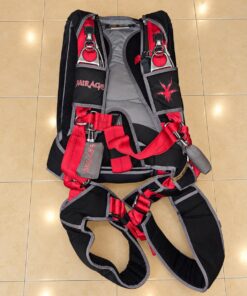
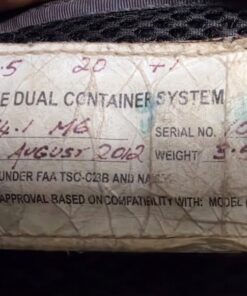
Used Mirage G4.1 M6


€4,250.00
Used Mirage G4.1 M6 – Complete Skydiving Rig with Spectre 230 and Optimum 218
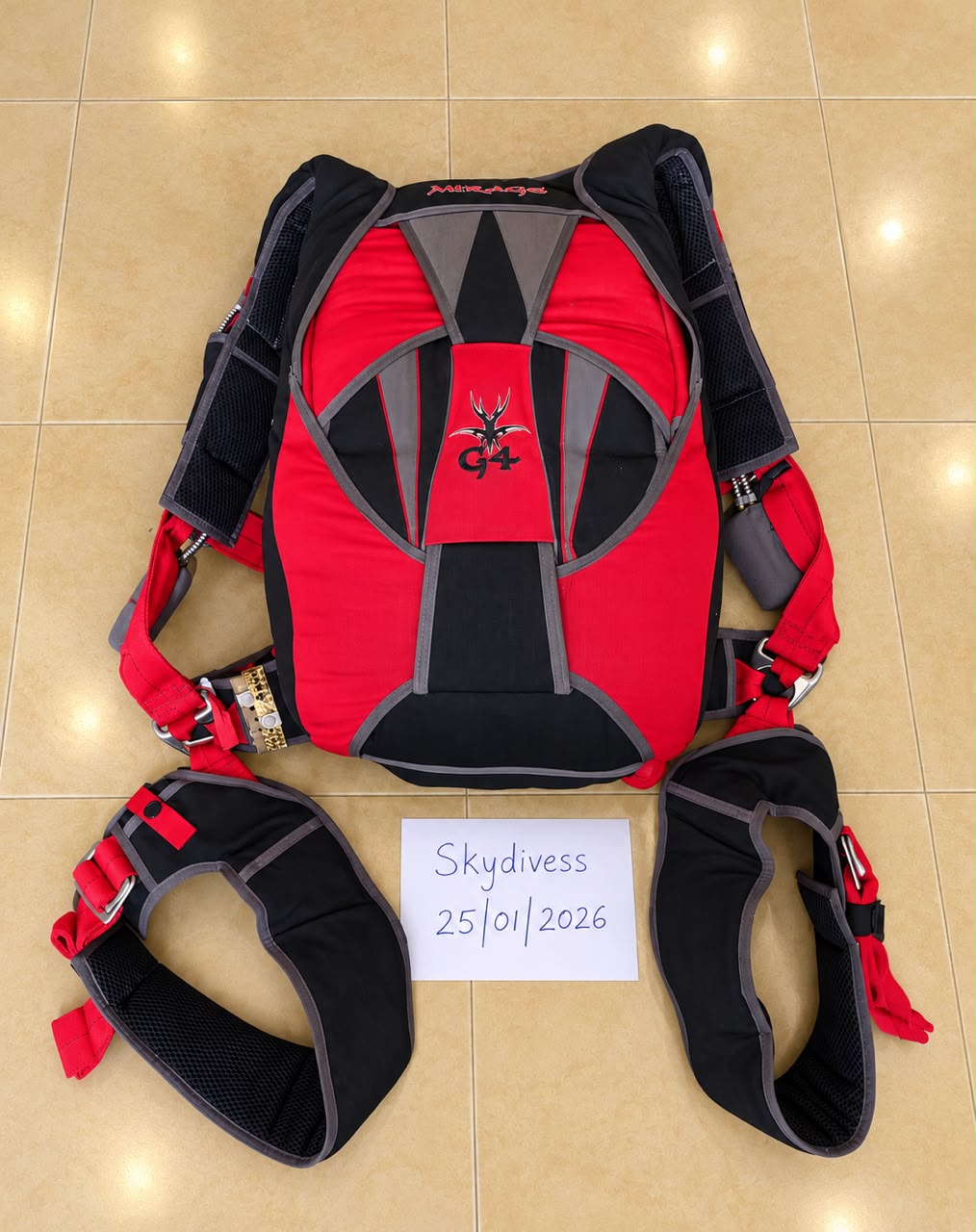
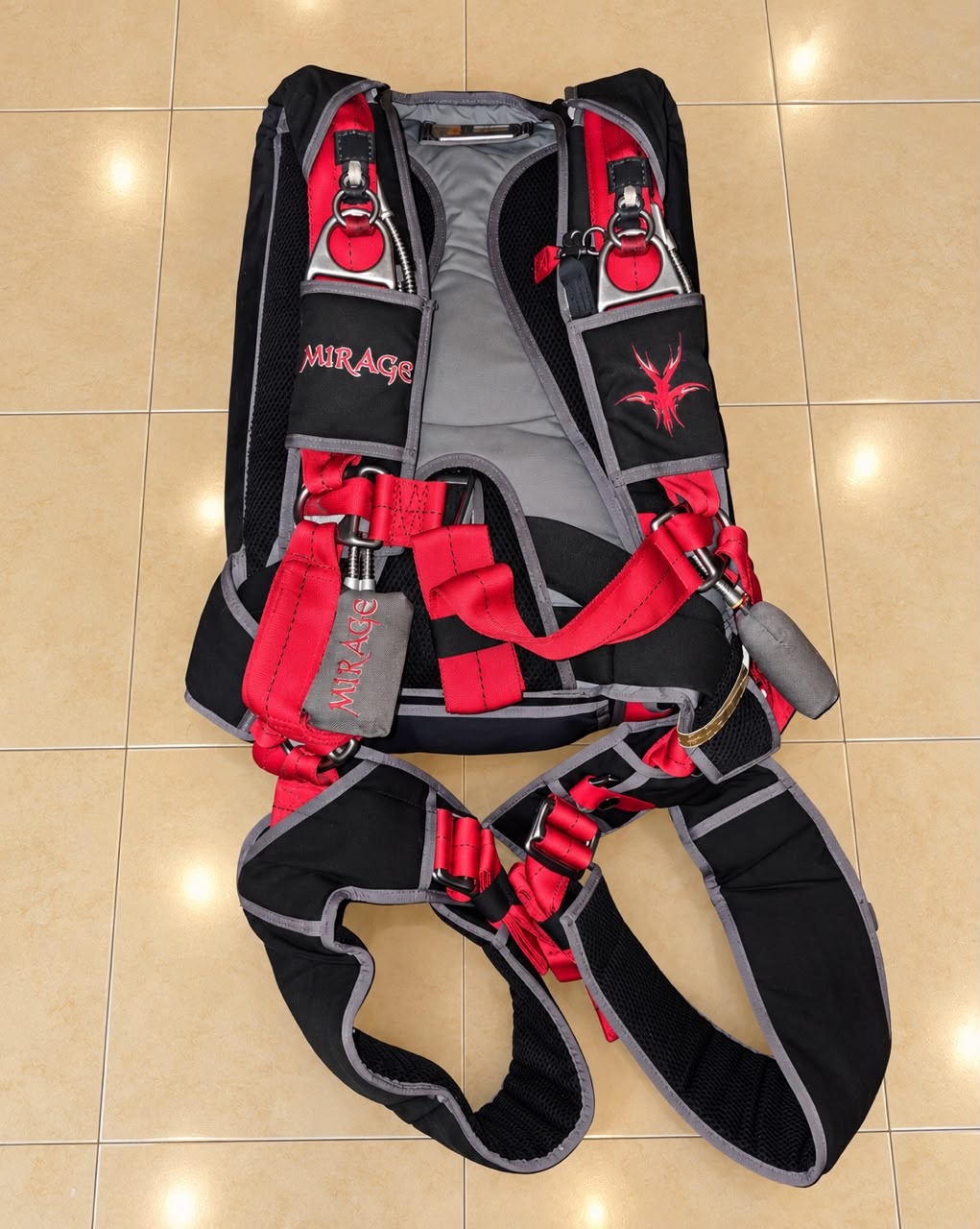
The Used Mirage G4.1 M6 is a premium, complete skydiving rig featuring a PD Spectre 230 main canopy, PD Optimum 218 reserve and Vigil 2 AAD. Designed for comfort, durability and dependable performance, this pre-owned parachute system offers an excellent option for suitably qualified skydivers seeking quality equipment.
Key Features & Specifications:
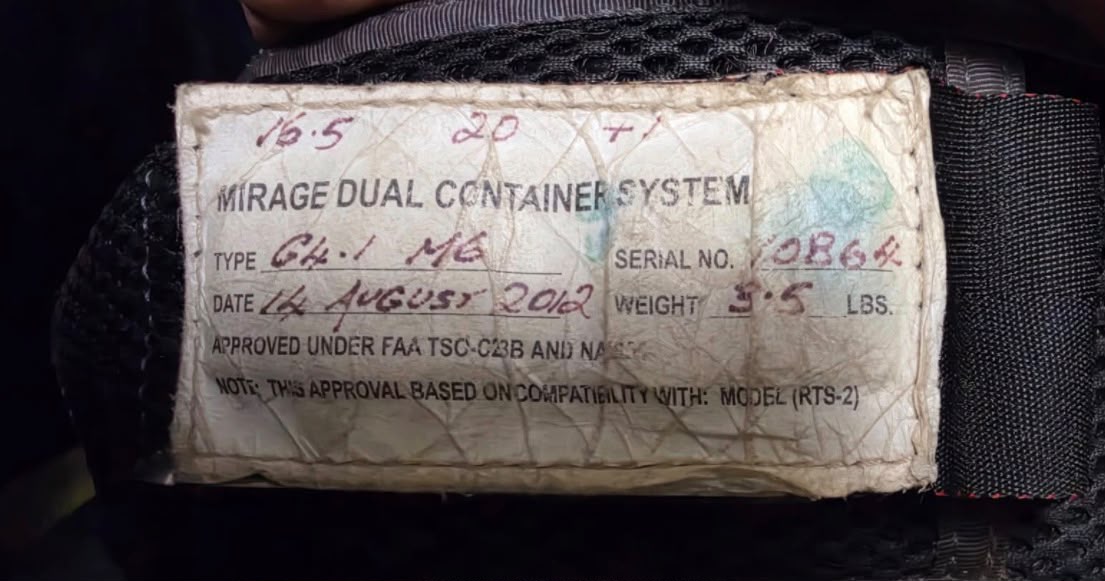
- Container: Mirage G4.1 M6 (DOM 08/2012)
- Total Rig Jumps: Approximately 532
- Main Canopy: PD Spectre 230 (DOM 06/2012), approximately 480 jumps, recently replaced lineset and a few upper-surface patches
- Reserve: PD Optimum 218, 22 repacks and 2 deployments
- Last Reserve Repack: March 2026 – repack required
- AAD: Vigil 2 (DOM 08/2012), reportedly never activated, battery replaced in 2022
- Harness Measurements: MLW 16.5, LP 20, STAB +1, standard yoke
- Suggested Fit: Taller individuals around 6 feet or above, approximately 200–230 lbs, subject to professional fitting
- Additional Features: RSL, 3D foam back pad, embroidered pillow handles and stainless-steel hardware
- Included Accessories: Semi-stowless D-bag, hook knife, yellow large rigsleeve and Mirage gear bag
This complete parachute system combines established engineering, comfortable harness construction and quality components. Professional inspection, reserve repacking, AAD service-life verification and fit assessment are required before use.
Used Mirage G4.1 M6 – Complete Skydiving Rig with PD Spectre 230 Main, Optimum 218 Reserve and Vigil 2 AAD
Used Mirage G4.1 M6 – Complete Parachute Rig, Canopy Performance, Harness Specifications, Safety Features and Equipment Condition
Used Mirage G4.1 M6 – Premium Skydiving Rig for Comfort, Reliability and Performance
The Used Mirage G4.1 M6 is a complete skydiving rig combining established parachute technology, quality craftsmanship and a comfortable harness-container design. Featuring a Performance Designs Spectre 230 main canopy, PD Optimum 218 reserve and Vigil 2 automatic activation device, this pre-owned system offers an appealing equipment package for appropriately qualified skydivers.
Manufactured in August 2012, the Mirage G4.1 M6 container has approximately 532 reported jumps across previous ownership. Furthermore, the configuration includes stainless-steel hardware, a 3D foam back pad, embroidered pillow handles and a reserve static line (RSL).
Originally worn comfortably by an individual measuring 5 feet 11 inches and weighing approximately 230 pounds, the harness is described as particularly suitable for evaluating fit on taller individuals in the 200–230-pound range. However, actual compatibility must be confirmed through a qualified rigger’s assessment of the individual’s body measurements.
Mirage G4.1 M6 Container – Construction, Harness Sizing and Premium Features
The Mirage G4.1 M6 represents a traditional two-parachute harness-container configuration developed for sport skydiving.
Its design combines secure harness construction, protective parachute compartments and integrated deployment-system components.
Container Specifications
-
Manufacturer: Mirage Systems
-
Model: G4.1 M6
-
Date of manufacture: August 2012
-
Reported rig usage: Approximately 532 jumps
-
Main lift web (MLW): 16.5
-
Leg pad (LP): 20
-
Stabilizer (STAB): +1
-
Yoke: Standard
-
Reserve static line: Included
-
Back padding: 3D foam
-
Handles: Embroidered pillow handles
-
Hardware: Stainless steel
-
Deployment bag: Semi-stowless D-bag
Additionally, the package includes a hook knife, yellow large rigsleeve and Mirage gear bag.
These measurements describe the actual advertised harness configuration, not a universal fitting guarantee.
PD Spectre 230 Main Canopy – Canopy Flight, Condition and Linewear
The included Performance Designs Spectre 230 main parachute was manufactured in June 2012 and has approximately 480 reported jumps.
Known for its seven-cell design, the Spectre belongs to a family of sport parachutes valued for predictable handling characteristics and a broad range of recreational applications.
Furthermore, this particular canopy reportedly received a completely new lineset before the current owner acquired it.
The lines were described as exceptionally fresh, although their present condition, trim and remaining serviceability must be verified by a qualified rigger.
A few patches are present on the upper surface. Their location, size and repair quality require inspection before the canopy can be declared airworthy.
Skydivers researching linewear, canopy flight, landing flight risers and skydiving downsizing chart information should understand that canopy selection depends on experience, exit weight and professional evaluation.
Comparisons with Safire 3, Fluid Wings, CRW skydiving and the smallest canopy concern different parachute designs and specialized disciplines.
PD Optimum 218 Reserve – Emergency Parachute System and Repack History
The included PD Optimum 218 reserve provides the secondary parachute component of this complete system.
Its reported maintenance history includes:
-
Model: Performance Designs Optimum 218
-
Reported reserve repacks: 22
-
Reported reserve deployments: 2
-
Last reserve repack: March 2026
-
Current requirement: Inspection and repack before further use
Performance Designs manufactures the Optimum using specialized low-permeability fabric and an aerodynamic design intended to provide responsive reserve-canopy characteristics.
Because the last reported repack occurred in March 2026, the reserve is outside the 180-day repack interval applicable to many US civilian parachute operations as of October 2026. It must not be represented as currently in date under those rules.
Vigil 2 AAD – Automatic Activation Device and Maintenance History
The included Vigil 2 automatic activation device was manufactured in August 2012.
According to the supplied ownership details, it has never activated and received its scheduled ten-year battery replacement in 2022.
The Vigil II was designed around an approximately 20-year service life, subject to applicable manufacturer requirements and technical notices.
Nevertheless, the battery replacement record, serial number, firmware status and current eligibility for service should be independently checked.
Searches for cypress fire skydiving refer to a different AAD brand and should not be confused with the Vigil installed in this system.
Skydiving Helmet, Protective Equipment and Essential Accessories
A complete skydiving equipment list commonly includes appropriate head protection, eye protection, an approved parachute system and relevant emergency equipment.
Buyers may research skydiving helmet, skydive helmets, sky helmet skydiving, sky diving helmet, full face skydiving helmet, skydiving helmet full face and best skydiving helmet when selecting protective accessories.
Popular comparisons include the Cookie G4 helmet and G35 helmet.
Other relevant searches include skydiver goggles, skydiving glasses and can you wear glasses while skydiving.
The included hook knife is an emergency accessory. Related search terms include hook blade knife, hook knife skydiving and skydive hook knife.
Meanwhile, a gear bag skydive search relates to transporting and storing equipment safely.
Parachute Rigging, Container Skydive and Important Safety Components
Skydiving rigging involves the inspection, maintenance and assembly of specialized parachute equipment by appropriately qualified personnel.
Searches for parts of a parachute, parachute rig, skydiving rig, container skydive, freefly pud handle and fire parachute cover different components and equipment configurations.
Although this package includes a semi-stowless deployment bag and other accessories, the exact deployment configuration must be verified during inspection.
The RSL, reserve closing system, AAD installation and canopy compatibility also require professional review.
Wingsuit Sport, Tracking Jump and Specialized Skydiving Disciplines
Skydiving includes numerous disciplines with different equipment requirements.
Enthusiasts researching tracking jump, skydiving speed, speed sky diving, wingsuit sport, vector wingsuit, gliding suit wingsuit, skydiving gliding suit, fly suits and wing suits for sale may encounter several specialized equipment categories.
Related topics include price of wingsuit, indoor wingsuit, tandem wingsuit and skydiving tube.
However, the presence of a complete parachute system does not establish its suitability for specialized wingsuit or tracking activities.
Similarly, base jumping, baseline jumping, base canopy and jumper pilot searches concern distinct activities with different safety considerations.
Any specialized application requires appropriate training and equipment compatibility assessment.
Skydiving Destinations, Experience Requirements and Recreational Activities
Popular skydiving-related searches include parachute jump Australia, Skydive Byron Bay, Cairns skydiving and weight limit skydiving.
International enthusiasts may also explore Skydive Belize, skydiving Blue Hole Belize and iFLY Colorado Springs.
Meanwhile, niche searches such as nude parachute jump and skydiving nude concern unusual recreational experiences rather than the specifications of this parachute system.
Searches for new skydive, #skydiving latest and skydiving website generally relate to sporting news, training opportunities and equipment research.
Every operator establishes its own equipment approval requirements, and this used configuration must pass the relevant technical and fit inspections before being used.
Why Choose This Used Mirage G4.1 M6 Complete Skydiving Rig?
This system brings together a spacious harness-container configuration, a 230-square-foot main parachute, a 218-square-foot reserve and an established automatic activation device.
Furthermore, the included accessories provide a convenient starting point for a qualified purchaser seeking a complete pre-owned system.
Its documented specifications, reported jump history and disclosed canopy repairs support transparent evaluation.
The previous owner is selling because the harness no longer fits comfortably following weight loss and because their interests have shifted toward speedflying.
The rig was reportedly purchased from Cody Ragone earlier in 2026 and was described by its owner as an excellent first rig.
However, this system requires reserve repacking, professional inspection and verification of its AAD and canopy condition before use. Its suitability as a first rig depends on the individual jumper’s qualifications, canopy loading, equipment fit and instructor or rigger approval.
For a buyer whose measurements and training requirements are compatible, the Used Mirage G4.1 M6 offers a comprehensive pre-owned parachute package with a clear component history and valuable included accessories.
Exceptional Engineering, Premium Comfort, Long-Term Durability, Equipment Reliability and Professional Ownership Benefits
Understanding the Value of a Complete Pre-Owned Parachute System
Purchasing a complete pre-owned parachute system can offer significant advantages for skydivers who want dependable equipment without immediately investing in an entirely new setup. However, the value of any second-hand system depends on much more than its purchase price. Component compatibility, documented maintenance, structural condition, professional inspection and harness fit all contribute to the quality of the ownership experience.
A complete system typically combines several specialized components designed to function together. Each component performs a distinct role, and the reliability of the overall assembly depends on its proper condition and compatibility. Consequently, prospective buyers should evaluate the complete package rather than concentrating exclusively on one parachute or accessory.
Furthermore, well-established manufacturers often develop equipment around carefully controlled materials, engineering requirements and manufacturing procedures. These considerations support consistent construction and long-term serviceability.
For experienced buyers, a system with a clearly disclosed history can be especially appealing. Knowledge of previous use, repairs, maintenance and component age makes it easier to identify areas requiring additional inspection.
Nevertheless, an attractive appearance does not establish that the equipment is ready for use. A qualified parachute rigger must inspect the system, verify its configuration and address any outstanding maintenance requirements.
Ultimately, the strongest purchasing decision combines technical suitability, transparent documentation and realistic ownership expectations.
Why Established Manufacturing Quality Matters
Parachute equipment requires exceptionally careful manufacturing because its components serve safety-critical functions. Manufacturers must consider material strength, structural integrity, dimensional consistency and compatibility throughout the design process.
Unlike ordinary recreational equipment, a harness-container assembly experiences complex mechanical loads during normal use. These loads influence the design of webbing, stitching, attachment points and supporting components.
Consequently, the selection of appropriate materials is fundamental to product quality.
High-strength textile webbing commonly forms part of the main structural assembly, while carefully engineered fabric panels create protective compartments for the parachutes.
Furthermore, metal hardware must meet suitable strength and compatibility requirements.
The quality of stitching is equally important. Individual seams may contribute to structural integrity, equipment positioning or the protection of internal components.
A well-developed manufacturing process therefore involves more than producing an attractive exterior.
Appropriate engineering, controlled assembly and quality assurance must work together.
For prospective owners, established manufacturing standards provide an important foundation for evaluating second-hand equipment. However, original quality cannot compensate for damage, unauthorized alterations or neglected maintenance.
Professional inspection remains essential regardless of the manufacturer’s reputation.
The Importance of Harness Construction and Structural Integrity
The harness represents one of the most important structural components of a parachute system.
It supports the relationship between the jumper and the parachute equipment throughout the intended operation. As a result, its construction requires appropriate materials, carefully designed load paths and reliable fastening arrangements.
Strong webbing is commonly used in the primary structural sections. Furthermore, stitching patterns and hardware connections are developed to satisfy applicable engineering and certification requirements.
A harness must also provide an appropriate relationship between structural support and personal comfort.
However, structural strength alone does not establish suitability for an individual jumper.
Body dimensions influence how the harness fits, while the adjustment and configuration of its components affect overall comfort.
A system originally manufactured for one individual may not be suitable for another person with similar height or weight.
Consequently, fitting should be evaluated by an appropriately qualified professional.
This assessment helps identify whether the equipment’s dimensions correspond to the intended user’s body proportions and whether any manufacturer-approved changes are necessary.
Why Harness Fit Influences Comfort and Equipment Suitability
An appropriate harness fit is essential for responsible ownership.
The main lift web, leg straps, stabilizers and upper harness dimensions collectively influence how the system accommodates the wearer.
Although height and weight provide useful preliminary information, they do not describe every aspect of body shape.
Two people with similar overall measurements may have different torso lengths, shoulder widths and leg proportions.
Consequently, equipment that fits one person comfortably may feel noticeably different on another.
Furthermore, personal comfort can change over time as an individual’s weight or body composition changes.
This is particularly relevant when evaluating equipment that previously belonged to someone whose measurements have changed.
A suitable fit should be assessed using the manufacturer’s guidelines and qualified professional judgment.
Visual appearance alone cannot confirm correct sizing.
Moreover, a harness should not be modified without appropriate authorization because changes to structural components may affect the original certification or safety characteristics.
For these reasons, precise fitting represents a major part of the purchasing process.
The Role of Padding in Everyday Wearing Comfort
Back padding contributes to the overall comfort of a harness-container assembly.
A carefully designed padded surface can reduce uncomfortable pressure points and provide a more comfortable interface between the equipment and the wearer’s back.
Furthermore, the shape and placement of padding influence the way the container rests against the body.
Different manufacturers use varying combinations of foam materials, panel shapes and protective coverings.
The resulting comfort depends on both the original design and the individual’s body dimensions.
However, padding should never be regarded as a substitute for correct harness sizing.
An incorrectly fitted system may remain unsuitable even if its back panel feels comfortable during a brief inspection.
The condition of the padding also deserves attention when purchasing used equipment.
Compression, deterioration, damaged stitching or previous repairs may influence its appearance and function.
Consequently, prospective owners should include the padded areas in a comprehensive professional evaluation.
Well-maintained padding contributes to the long-term ownership experience while complementing the structural design of the complete system.
Appreciating the Benefits of Durable Stainless-Steel Hardware
Hardware quality is another important consideration in parachute equipment.
Metal components may include buckles, adjustment fittings and other structural or functional elements.
Stainless steel is valued in numerous engineering applications because of its corrosion resistance and durability.
However, resistance to corrosion does not mean that a component is immune to deterioration.
Environmental exposure, mechanical wear and improper maintenance can affect metal hardware over time.
Consequently, all fittings should be examined for damage, deformation, unusual wear and other potential concerns.
Furthermore, the compatibility of individual components is essential.
Hardware intended for one configuration should not automatically be substituted into another assembly.
Manufacturer-approved components and qualified servicing help preserve the intended design.
The presence of stainless hardware can therefore be an appealing feature, particularly for buyers who appreciate durable construction.
Nevertheless, its current serviceability must be established through inspection rather than inferred from the material alone.
Understanding the Importance of Quality Container Construction
The container protects and organizes the parachute components within the complete system.
Its construction involves specialized fabrics, closure arrangements, reinforcement and carefully developed internal geometry.
The relationship between these elements is important because the container must accommodate the equipment specified for its design.
Furthermore, the external panels contribute to durability and overall appearance.
High-quality fabric can provide resistance to ordinary handling wear, although environmental exposure and repeated use may gradually affect its condition.
The stitching surrounding structural and protective areas requires particular attention.
Damage in one section may have implications beyond its immediate appearance.
Consequently, repairs should be evaluated by qualified personnel familiar with the manufacturer’s approved procedures.
A well-preserved container may remain serviceable for many years, subject to condition, compatibility and applicable manufacturer requirements.
However, age alone cannot establish remaining service life.
The complete assembly must be assessed according to its documented history and present condition.
Why Main Canopy Design Matters
A main parachute is a carefully engineered aerodynamic structure designed to support controlled flight after deployment.
Its characteristics depend on numerous design decisions, including planform, cell arrangement, fabric selection, internal construction and suspension-line configuration.
These elements influence the canopy’s general operating characteristics.
Furthermore, the relationship between the canopy and the jumper’s total exit weight is an important consideration in equipment suitability.
Different parachute models can exhibit different characteristics even when their nominal surface areas appear similar.
Consequently, size alone should not be used to predict handling.
The experience and qualifications of the jumper also matter.
A canopy suitable for one participant may be inappropriate for another.
Professional evaluation should therefore consider the complete equipment configuration, the intended sporting environment and the individual’s documented experience.
For pre-owned equipment, construction quality must also be considered alongside previous use and maintenance.
The Significance of Seven-Cell Parachute Construction
Seven-cell construction is a recognized design approach within ram-air parachute engineering.
The canopy contains seven principal cells arranged across its span.
However, the number of cells represents only one characteristic of the complete aerodynamic design.
The airfoil profile, fabric characteristics, line configuration and internal structure also influence performance.
Consequently, two seven-cell parachutes may have substantially different handling qualities.
Manufacturers develop individual designs around specific performance objectives and intended user profiles.
Furthermore, canopy characteristics can change as fabric and suspension components age.
For this reason, the original design specifications should be interpreted alongside the current condition of the individual parachute.
Professional inspection can help determine whether the canopy remains within appropriate service limits.
A recognized construction type provides useful background information, but it does not replace model-specific documentation.
Why Suspension-Line Condition Is Important
Suspension lines form an essential connection between the canopy and the remainder of the parachute assembly.
Their materials, dimensions and condition influence the integrity of the complete system.
Different line materials possess different characteristics relating to strength, dimensional stability and wear.
Furthermore, repeated use can contribute to changes in line condition.
A recently replaced lineset may be an attractive feature of a pre-owned canopy.
However, the installation history and current condition should be verified.
The description of lines as new or fresh does not establish that their specifications remain correct.
A qualified rigger should assess their condition according to the manufacturer’s applicable guidance.
Furthermore, replacement work should have been completed using appropriate materials and approved procedures.
The availability of a maintenance record can provide useful reassurance.
Nevertheless, independent inspection remains important even when the seller reports that the lines have received limited use.
Understanding Canopy Fabric Condition and Previous Repairs
The condition of parachute fabric is fundamental to equipment serviceability.
Technical canopy fabrics are selected for specific strength, weight and air-permeability characteristics.
Over time, their properties may be influenced by use, handling, contamination and environmental exposure.
Furthermore, localized damage may require approved repair procedures.
A patch does not automatically mean that a canopy is unsafe.
However, the acceptability of a repair depends on its location, extent, materials and workmanship.
Consequently, patched sections require appropriate evaluation.
The number of repairs alone does not provide a complete picture of condition.
A small repair in one area may involve different considerations from damage affecting a more critical section.
Buyers should therefore request accurate information about previous repairs and arrange a professional inspection.
The inspector can determine whether the repairs meet the manufacturer’s requirements and whether additional servicing is necessary.
The Importance of Reserve Parachute Reliability
The reserve parachute serves a safety-critical function within a complete skydiving system.
Its construction and maintenance are subject to requirements that differ from those of an ordinary recreational fabric product.
Consequently, reserve equipment must receive the appropriate inspection and packing procedures.
Only qualified and legally authorized personnel should perform tasks that require reserve-rigger certification or equivalent authorization.
Furthermore, the reserve must remain compatible with the specific harness-container configuration.
Previous deployments and repack history provide useful maintenance information.
However, these figures do not independently establish remaining service life.
The condition of the fabric, lines, stitching, deployment components and associated equipment must also be considered.
Manufacturer requirements and applicable aviation regulations determine whether the reserve remains eligible for use.
Responsible buyers should therefore verify all relevant documentation before relying on the system.
Why Reserve Repack History Deserves Attention
Repack history provides important information about the maintenance of a reserve parachute.
A recorded inspection and repack can help demonstrate that the equipment received attention from an appropriately authorized specialist.
However, a historical repack does not necessarily establish that the reserve is currently in date.
Different jurisdictions may prescribe particular inspection and repacking intervals.
Consequently, buyers must verify the applicable rules for the location where the equipment will be used.
Furthermore, the previous repack documentation should be examined for completeness.
A qualified rigger can review the available records and determine what work is required before the system returns to service.
This distinction is particularly important when purchasing equipment that has remained unused for an extended period.
A reserve may require attention even when the owner reports that no recent jumps have occurred.
The Role of Automatic Activation Technology
An automatic activation device is designed to provide an additional safety function within an appropriately configured parachute system.
Such equipment incorporates electronic components that operate according to specific manufacturer-defined parameters.
However, it does not replace the jumper’s training, judgment or emergency responsibilities.
The effectiveness and eligibility of an electronic safety device depend on its condition, configuration and compliance with manufacturer requirements.
Furthermore, electronic equipment may have defined service-life limits.
Battery maintenance, technical updates and manufacturer notices can influence continued eligibility.
Consequently, a device with a documented battery replacement should not automatically be assumed to be fully serviceable.
Its complete maintenance history requires verification.
A qualified specialist should confirm whether the equipment remains within its applicable service-life and technical requirements.
The original operating instructions remain the authoritative reference for its intended use.
Understanding the Importance of Electronic Equipment Age
Electronic safety equipment differs from purely mechanical textile components in several important ways.
Internal electronic assemblies, batteries, sensors and other components may be subject to age-related limitations.
Furthermore, manufacturers can establish specific replacement or inspection requirements.
These requirements may depend on the exact model and production date.
Consequently, a device should be identified precisely before its continued eligibility is assessed.
The absence of previous activation does not guarantee that every internal component remains in satisfactory condition.
Similarly, a successful historical battery replacement does not replace other applicable maintenance requirements.
Prospective buyers should therefore request identification and service records.
Authorized technicians can determine whether additional actions are necessary.
This assessment is particularly important for equipment approaching a manufacturer-defined service limit.
The Importance of a Properly Maintained Reserve Static Line
A reserve static line forms part of the safety-related equipment used in many sport parachute configurations.
Its intended function is established by the manufacturer’s design and the applicable system arrangement.
However, its presence does not eliminate the need for established emergency training.
Furthermore, compatibility with the complete parachute assembly must be verified.
Different equipment configurations may incorporate different approved components.
Consequently, a line or attachment that appears suitable should not be accepted without professional evaluation.
The condition of the connecting materials and associated hardware also requires inspection.
Wear, contamination or unauthorized modification can raise safety concerns.
For prospective buyers, the presence of this feature may be attractive, but its serviceability must be confirmed as part of the overall system assessment.
The Value of Comfortable and Accessible Equipment Controls
Control-component design contributes to the overall usability of a parachute system.
Manufacturers consider factors such as identification, material durability and compatibility with the surrounding equipment.
However, an attractive or embroidered control handle should not be evaluated solely on its appearance.
Its structural condition and compatibility are more important.
Furthermore, replacement components must meet the manufacturer’s specifications.
A decorative feature should never compromise the intended function of safety-related equipment.
Consequently, qualified inspection should include the relevant handles and attachment arrangements.
This ensures that cosmetic appeal remains secondary to verified technical suitability.
Why a Complete Equipment Package Can Be Convenient
Purchasing a complete system may simplify some aspects of equipment acquisition.
Instead of sourcing every component independently, the buyer receives an assembled collection of equipment intended to work together.
Furthermore, included accessories can reduce the need for separate purchases.
However, convenience should not be mistaken for verified compatibility.
The complete package still requires professional assessment.
Different components may have individual maintenance histories and service requirements.
Consequently, each item should be evaluated on its own merits before the system is approved as a whole.
The presence of transport accessories, spare items or specialized bags may add practical value.
Nevertheless, the condition and suitability of the parachute equipment remain the central purchasing considerations.
Practical Benefits of a Protective Equipment Bag
A suitable equipment bag helps protect sporting gear during ordinary transportation and storage.
Its primary value lies in reducing unnecessary contact with dust, dirt and potentially abrasive surfaces.
Furthermore, a dedicated bag can make it easier to keep related accessories together.
However, protection depends on the bag’s construction and the conditions in which it is used.
A fabric carrying bag does not automatically provide protection against crushing, water immersion or severe impact.
Consequently, equipment should be handled carefully during travel.
The bag should also remain clean and dry.
Storing equipment in damp materials for extended periods can contribute to deterioration.
Owners should follow the relevant manufacturer’s recommendations for transporting and storing parachute components.
The Importance of a Clean and Dry Storage Environment
Storage conditions can significantly influence the long-term condition of textile-based sporting equipment.
Moisture is particularly important because prolonged dampness can encourage mildew, contamination and deterioration.
Furthermore, excessive heat may affect some synthetic materials.
Direct sunlight can also contribute to the gradual degradation of certain fabrics.
Consequently, a clean, dry and appropriately controlled environment is generally preferable.
Equipment should not remain in a damp vehicle, wet storage area or unsuitable enclosed space for extended periods.
Furthermore, contact with fuels, oils, solvents and other potentially damaging chemicals should be avoided.
The original manufacturer may specify additional requirements for individual components.
These instructions should take priority over general storage advice.
Protecting Technical Fabrics From Environmental Damage
Technical parachute fabrics are designed around specific material properties.
Their strength, permeability and resistance to wear contribute to the intended equipment characteristics.
However, environmental exposure may gradually affect those properties.
Ultraviolet radiation is one potential source of degradation.
Furthermore, contact with abrasive surfaces may damage protective coatings or individual fibres.
Chemical contamination can also create serious concerns.
Consequently, owners should avoid exposing equipment to substances that could compromise textile integrity.
If contamination occurs, professional advice should be obtained before attempting cleaning.
Ordinary household detergents or solvents may not be suitable.
A seemingly minor stain may require specialist evaluation depending on the substance involved.
Responsible care therefore involves preventing avoidable exposure and seeking qualified assistance when concerns arise.
Why Manufacturer-Approved Cleaning Methods Matter
Cleaning specialized parachute equipment requires care.
Materials that are suitable for ordinary clothing may respond differently to household cleaning chemicals.
Furthermore, some cleaning procedures may affect coatings, stitching or other components.
Consequently, the original manufacturer’s guidance should determine the appropriate maintenance method.
Aggressive scrubbing, excessive heat and unapproved chemical treatments should be avoided.
Where cleaning exceeds basic manufacturer-approved care, a qualified service provider should be consulted.
Owners should also recognize that removing visible dirt does not necessarily restore material integrity.
For example, fabric exposed to a damaging substance may require inspection even after its appearance improves.
The purpose of maintenance is to preserve the equipment’s verified condition rather than simply improve its appearance.
Understanding the Importance of Usage Records
Accurate usage records can help establish the history of pre-owned sporting equipment.
They may provide information about total jumps, major maintenance events and component replacements.
Furthermore, records can help distinguish the usage history of individual components.
A complete system may contain parts manufactured at different times or used for different numbers of jumps.
Consequently, a single overall usage figure does not necessarily describe every component accurately.
Prospective buyers should request separate histories where available.
The information should also distinguish documented figures from owner estimates.
An approximate jump count can be useful, but it should not be presented as independently verified when supporting records are unavailable.
A transparent listing creates more realistic expectations and supports professional inspection.
Why Previous Ownership History Matters
Ownership history can influence the condition and value of second-hand parachute equipment.
Different owners may have used the system under different conditions and maintained it according to different schedules.
Furthermore, changes in equipment configuration may have occurred over time.
A component might have been replaced, repaired or transferred from another system.
Consequently, the current configuration should be documented as accurately as possible.
Information about previous ownership can also help explain why an item is available for sale.
For example, changes in body dimensions or sporting interests may lead an owner to sell equipment that no longer suits their needs.
However, the seller’s reasons do not replace the need for inspection.
The equipment must still satisfy the requirements of its next intended user.
Evaluating the Benefits of a Spacious Harness Configuration
A larger harness configuration may appeal to individuals whose body dimensions require additional space.
However, the suitability of a particular size depends on the complete set of harness measurements.
Height and body weight alone cannot determine compatibility.
Furthermore, two individuals with similar measurements may have different torso proportions.
Consequently, a harness originally used by a taller or heavier individual should not automatically be assumed suitable for every person in that general category.
Professional fitting can identify whether the configuration corresponds to the prospective owner’s measurements.
Comfort during ordinary wear is one consideration, but technical suitability is equally important.
The original manufacturer’s fitting guidance should remain central to the assessment.
Understanding the Difference Between Appearance and Airworthiness
A visually attractive parachute system may appear ready for immediate use.
However, cosmetic condition and airworthiness are separate considerations.
Clean fabric, polished hardware and intact exterior stitching do not establish that every internal component meets the relevant requirements.
Furthermore, maintenance intervals can expire while equipment remains unused.
An electronic safety device may also reach a service-life limit regardless of exterior appearance.
Consequently, buyers should avoid drawing conclusions from photographs alone.
A qualified rigger must assess the system according to applicable standards and manufacturer instructions.
This distinction is especially important when equipment is purchased remotely.
Detailed photographs and documentation are useful, but they cannot replace appropriate physical examination.
The Importance of Professional Equipment Evaluation
Professional evaluation provides an essential safeguard when purchasing a pre-owned parachute system.
A qualified rigger can examine the equipment’s condition, review available documentation and identify required maintenance.
Furthermore, the inspection can help establish whether the individual components remain compatible.
The scope of the assessment depends on applicable regulations and manufacturer requirements.
Consequently, buyers should select a professional who possesses the necessary qualifications for the specific equipment.
Where specialized questions arise, consultation with the original manufacturer may be appropriate.
The goal is to establish a reliable understanding of the equipment’s current status.
A favorable inspection provides substantially greater confidence than a seller’s unsupported description.
Why Service Documentation Supports Long-Term Ownership
Service documentation helps owners understand the history of safety-critical equipment.
Records may include inspection dates, repacks, replacements and authorized repairs.
Furthermore, documentation can assist future technicians when evaluating the system.
Missing records may create uncertainty, especially for older components.
Consequently, prospective buyers should preserve all available documentation.
Purchase receipts, identification labels and manufacturer instructions can also be useful.
Where information is incomplete, the uncertainty should be disclosed rather than replaced with assumptions.
A transparent maintenance history contributes to responsible ownership and may support future resale discussions.
The Importance of Genuine Replacement Components
Replacement components should meet the original manufacturer’s specifications.
Even when two parts appear similar, differences in dimensions, materials or construction may affect compatibility.
Consequently, unapproved substitutions can introduce serious concerns.
Furthermore, safety-critical modifications may require manufacturer authorization or specialized certification.
A qualified rigger should determine whether replacement parts are suitable for the particular configuration.
The same principle applies to accessories that form part of the deployment or reserve systems.
Purchasing genuine or appropriately approved components helps preserve the original engineering intent.
However, compatibility must still be verified for the exact model and production configuration.
Evaluating Long-Term Durability
Durability depends on material quality, manufacturing standards, use and maintenance.
A well-manufactured system may remain serviceable for an extended period when properly maintained.
However, no universal service-life guarantee applies to every component.
Textiles, hardware and electronic devices can age differently.
Furthermore, environmental exposure and previous repairs may influence continued eligibility.
Consequently, individual components require appropriate assessment.
A container may remain in satisfactory condition while another part of the system requires replacement.
Similarly, low usage does not guarantee that an older electronic component remains eligible.
Long-term ownership therefore depends on monitoring the complete system rather than assuming that all components age at the same rate.
Why Reputable Manufacturers Attract Experienced Buyers
Established equipment manufacturers often benefit from accumulated engineering experience and recognizable product histories.
Their reputation may reflect material selection, consistent construction and professional support.
Furthermore, widely recognized equipment can offer access to knowledgeable servicing specialists.
However, manufacturer reputation alone does not establish the condition of a particular pre-owned example.
Every individual system has its own history.
Consequently, buyers should combine confidence in the original manufacturer with careful evaluation of the actual equipment offered.
This balanced approach avoids relying exclusively on brand recognition or advertised performance.
Understanding the Financial Benefits of Pre-Owned Equipment
Second-hand equipment can offer access to established designs at a lower initial cost than equivalent new products.
However, the advertised price should not be treated as the complete cost of ownership.
Professional inspection, reserve servicing, component replacement and possible harness alterations may create additional expenses.
Furthermore, some older electronic equipment may require replacement because of manufacturer-defined service limitations.
Consequently, a realistic purchasing budget should include foreseeable maintenance requirements.
A lower-priced system may not represent better value if extensive work is needed before use.
Conversely, a well-documented system with compatible components and satisfactory inspection results may offer an attractive ownership proposition.
The strongest purchase is therefore one that balances cost, condition, suitability and long-term support.
Why Transparent Product Listings Build Confidence
Transparent descriptions help buyers make informed decisions.
A responsible listing should clearly identify the components included, their dates of manufacture and their reported usage histories.
Furthermore, known repairs, expired maintenance intervals and uncertainties should be disclosed.
This information helps prospective owners understand what professional work may be required.
Exaggerated claims about condition or readiness can create unrealistic expectations.
Consequently, sellers should distinguish personal impressions from verified technical information.
Photographs should accurately represent the actual equipment.
Where important details cannot be confirmed, the listing should state that verification is necessary.
Honest disclosure supports responsible transactions and reduces misunderstandings.
The Importance of Responsible Equipment Ownership
Parachute ownership involves ongoing responsibilities.
Equipment should be stored appropriately, maintained according to manufacturer requirements and inspected by qualified personnel.
Furthermore, the jumper must meet relevant training and experience standards.
Possessing a complete system does not automatically establish that the equipment is appropriate for a particular individual.
The complete configuration must be suitable for the user and the intended sporting environment.
Consequently, equipment decisions should be made with qualified instructors and riggers where appropriate.
Responsible ownership also includes recognizing when components should be removed from service.
Safety-critical requirements must always take priority over convenience or purchase cost.
Final Assessment: Comfort, Craftsmanship, Technical Integrity and Lasting Value
A complete pre-owned parachute system can offer an appealing combination of established engineering, practical accessories and purchasing value.
Its strongest advantages arise from the relationship between quality materials, thoughtful construction and professional maintenance.
The harness contributes structural support and personal comfort, while the container protects the parachute assemblies.
Furthermore, the main and reserve parachutes provide distinct functions that require appropriate compatibility and inspection.
Electronic safety equipment adds another specialized component whose continued eligibility must be verified independently.
The overall condition of the system therefore cannot be established through a single jump count or manufacturing date.
Instead, responsible evaluation requires an understanding of each component’s history, construction and maintenance requirements.
For prospective buyers, accurate harness fitting is particularly important because body proportions vary considerably.
Similarly, previous repairs and replacement parts must be evaluated according to the manufacturer’s applicable standards.
A complete accessory package can improve convenience, but safety-related condition remains the primary consideration.
Ultimately, a carefully assessed pre-owned system may provide meaningful long-term value for a suitably qualified jumper.
The most important purchasing factors are verified compatibility, transparent documentation, professional inspection and compliance with current service requirements.
When these considerations receive appropriate attention, established parachute equipment can offer an attractive balance of craftsmanship, comfort, dependable construction and responsible sporting ownership.
Be the first to review “Used Mirage G4.1 M6”
Related products
used products
used products


used products

used products
used products

used products

used products
Reviews
There are no reviews yet.