
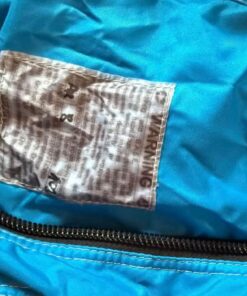
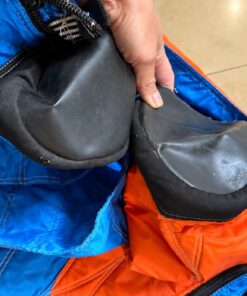
Used Phoenix Fly Arrow 2021
€700.00
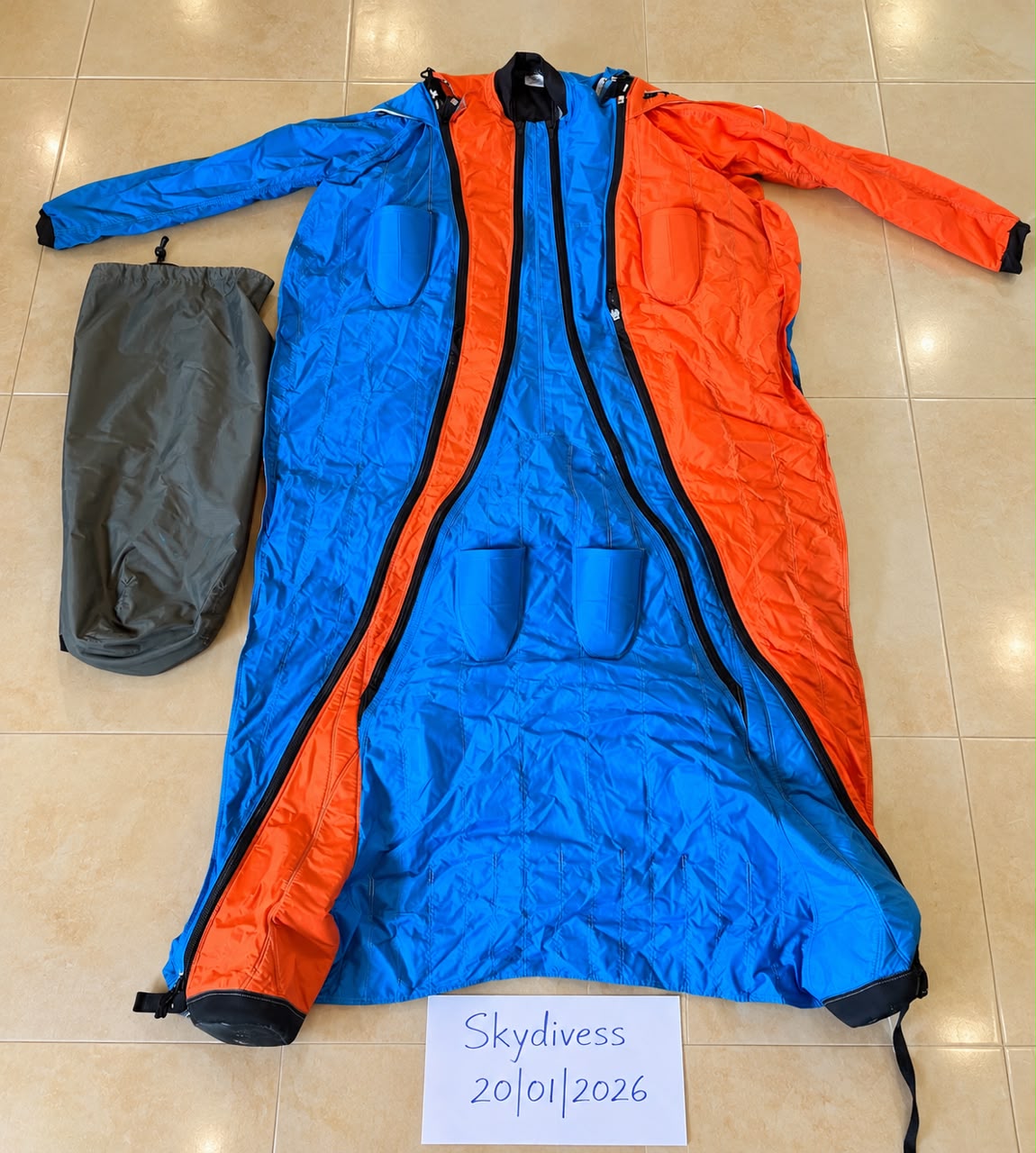
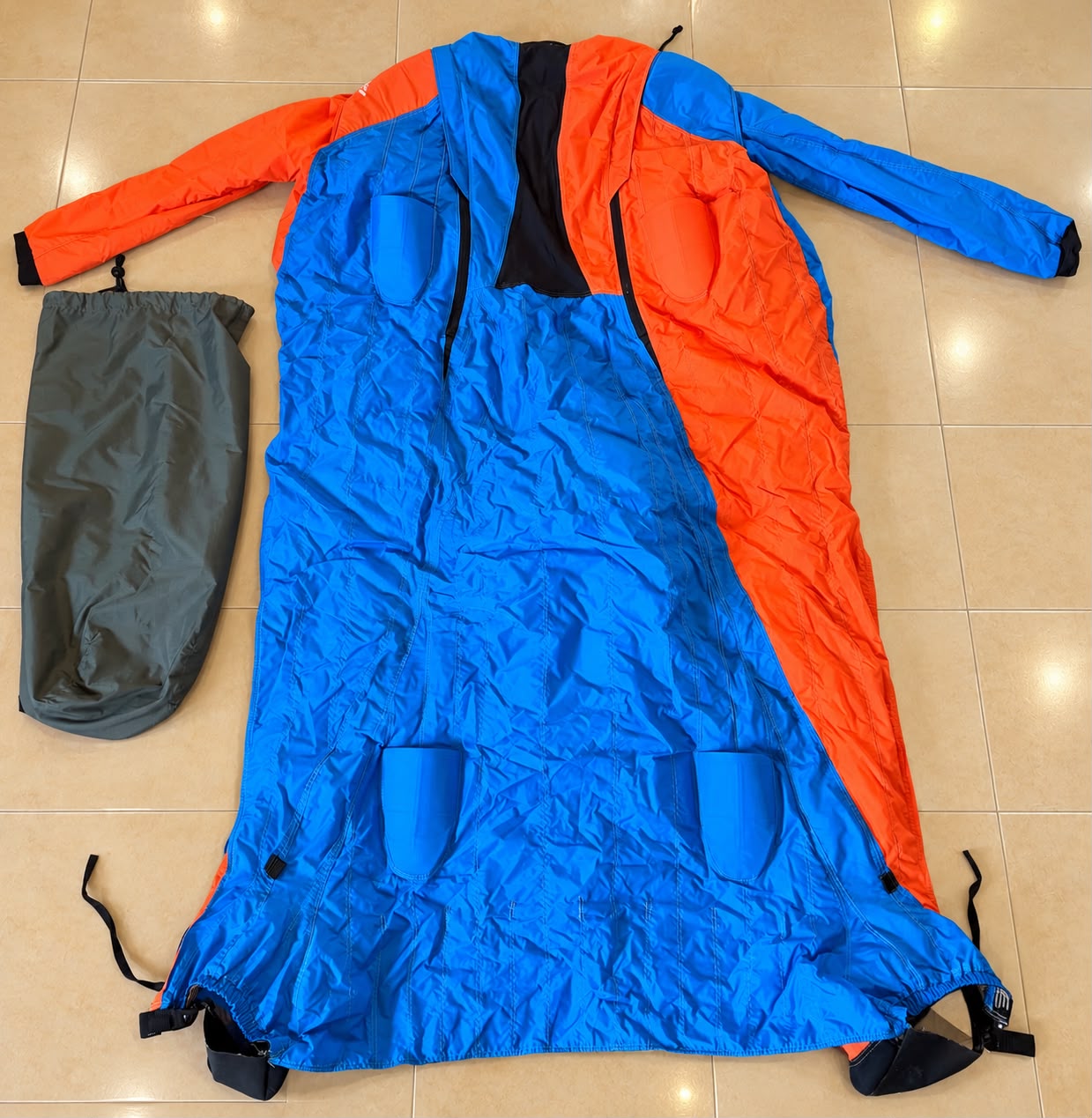
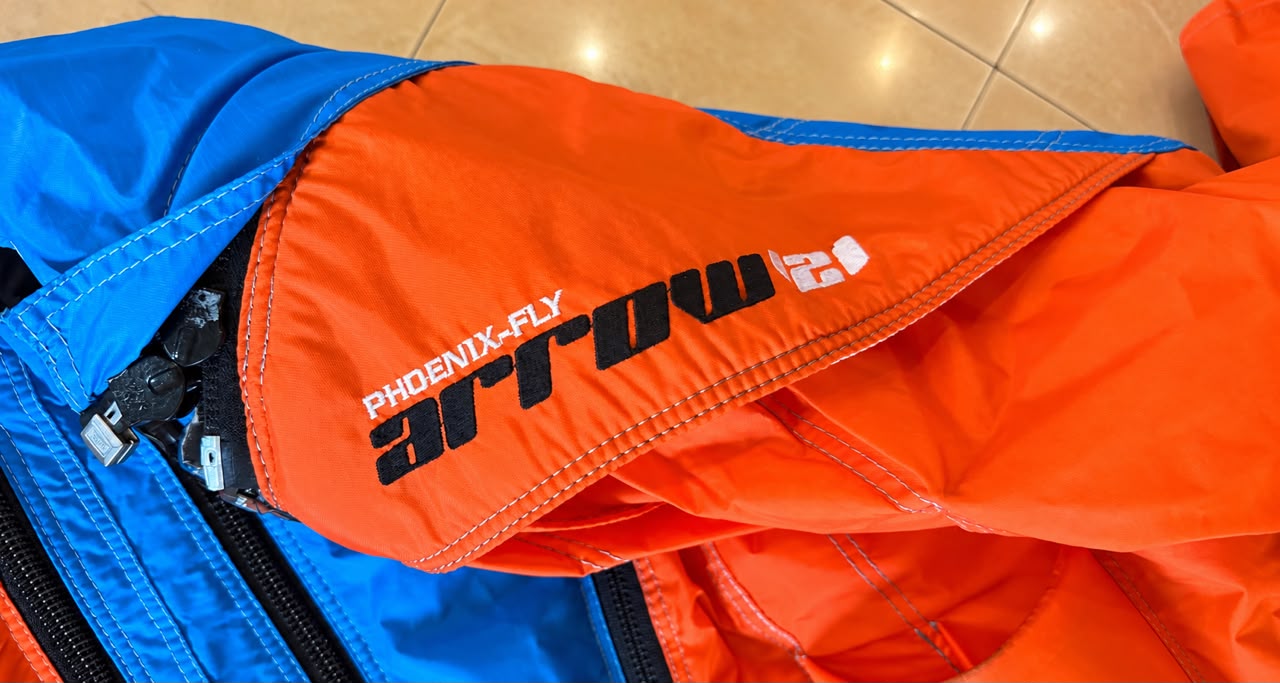
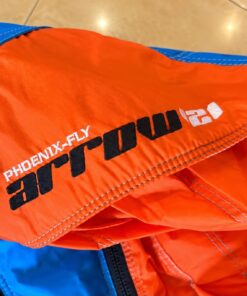
Used Phoenix Fly Arrow 2021 – High-Performance Tracking Suit
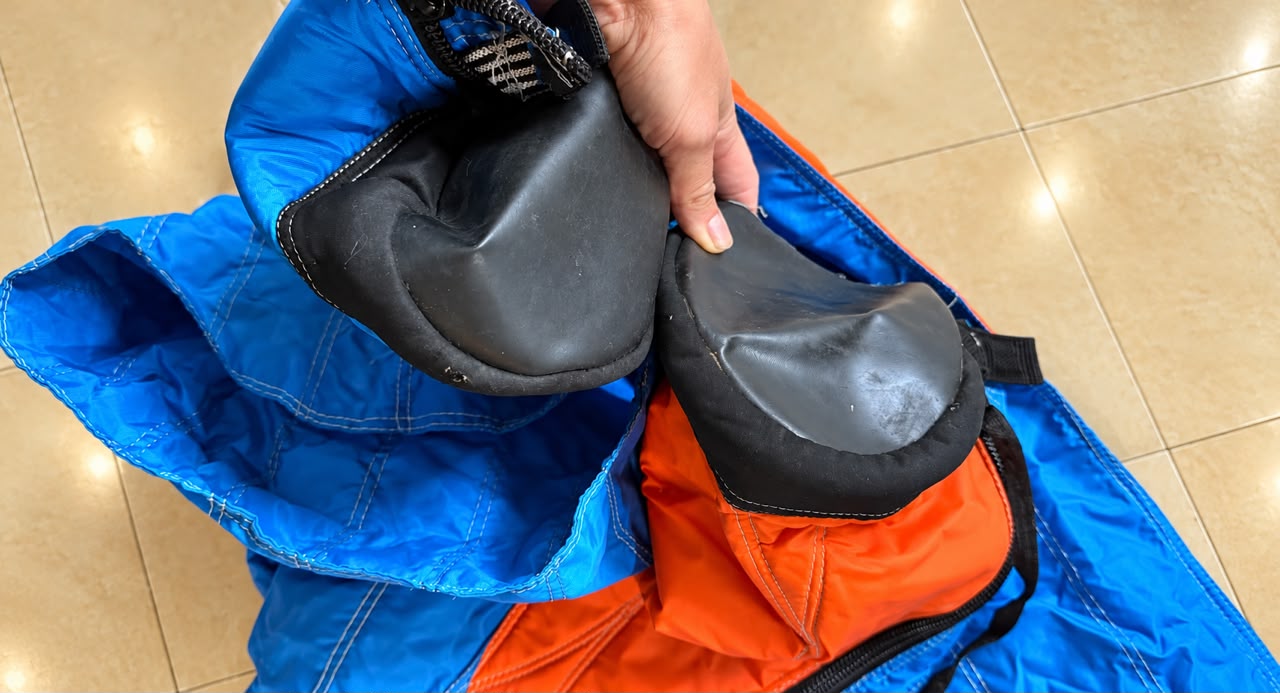
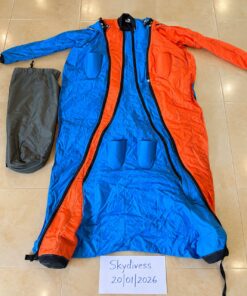
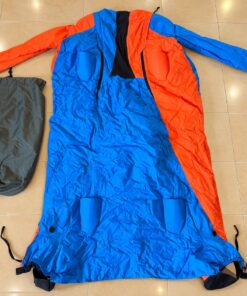
The Used Phoenix Fly Arrow 2021 is a premium, one-piece tracking suit designed for experienced skydivers seeking exceptional glide, impressive horizontal range and aerodynamic efficiency. With approximately 20 jumps, this pre-owned suit offers an attractive option for advanced flyers.
Originally tailored for a 189 cm tall, 80 kg flyer, it delivers handling characteristics similar to the Phoenix-Fly Onesie, with greater glide potential and extended range. Its advanced design also makes it suitable for experienced flyers participating in compatible wingsuit formations.
Key Features:
- Brand: Phoenix-Fly
- Model: Arrow
- Year: 2021
- Condition: Used, approximately 20 jumps
- Original Fit: 189 cm / 80 kg
- Design: One-piece aerodynamic tracking suit
- Performance: Enhanced glide and horizontal range
- Flight Characteristics: Similar to a Onesie, with additional glide potential
- Ideal For: Experienced tracking and compatible formation flying
Built with advanced aerodynamic engineering and quality materials, this suit combines performance, comfort and durability. Fit, condition and equipment compatibility should be professionally verified before use.
Used Phoenix Fly Arrow 2021 – High-Performance Tracking Suit for Skydiving, Advanced Glide, Speed and Wingsuit Formation Flying
Used Phoenix Fly Arrow 2021 – Advanced Tracking Performance, Aerodynamic Engineering and Exceptional Flight Experience
Used Phoenix Fly Arrow 2021 – Premium Performance Tracking Suit
The Used Phoenix Fly Arrow 2021 is a high-performance, one-piece tracking suit developed for experienced skydivers seeking greater aerodynamic efficiency, sustained forward speed and impressive horizontal glide.
With approximately 20 jumps reported, this pre-owned suit offers an appealing opportunity for experienced flyers interested in Phoenix-Fly’s advanced tracking equipment.
Originally manufactured for a person measuring 189 cm in height and weighing 80 kg, the suit features a tailored configuration designed around those body dimensions. However, actual fit depends on additional measurements, including torso length, inseam, arm length and individual proportions.
Furthermore, its handling characteristics resemble those of the Phoenix-Fly Onesie Power, while its larger aerodynamic profile provides increased glide potential and forward range.
The manufacturer describes the Arrow as its largest tracking suit, designed to combine strong glide performance with hands-free handling and straightforward access to parachute controls.
Phoenix Fly Arrow 2021 – Condition, Previous Jumps and Ownership Details
The following information describes the particular pre-owned suit offered.
-
Product name: Phoenix-Fly Arrow
-
Manufacturing year: 2021, as advertised
-
Product condition: Used
-
Reported previous jumps: Approximately 20
-
Original wearer’s height: 189 cm
-
Original wearer’s weight: 80 kg
-
Configuration: One-piece performance tracking suit
-
Flight characteristics: Comparable handling to the Onesie Power, with increased glide and range
-
Primary application: Experienced tracking jumps and suitable formation flying
-
Manufacturer: Phoenix-Fly
-
Suit origin: European manufacturing
-
Fit recommendation: Individual measurement verification required
-
Inspection status: Fabric, seams, zippers, inlets and attachment components should be professionally checked before use
Although the reported jump count is relatively low, it does not independently establish the suit’s condition. Buyers should confirm whether any repairs, patches, alterations, fabric damage or structural wear are present.
Tracking Jump, Skydiving Speed and Advanced Aerial Performance
A tracking jump involves controlled bodyflight in which horizontal movement becomes an important part of the freefall experience.
Advanced tracking equipment uses carefully developed aerodynamic surfaces to influence lift, drag and directional stability.
Consequently, experienced jumpers researching skydiving speed, speed sky diving and tracking jump equipment often examine different suit configurations.
The Arrow features a broad aerodynamic profile and a flight trim developed for sustained speed and glide. Moreover, its hands-free design distinguishes it from conventional arm-wing configurations.
Its characteristics may make it suitable for flying alongside some wingsuit formations, provided the flight plan, performance differences, separation procedures and participant experience have been assessed by qualified organizers.
Wingsuit Sport, Gliding Suit Wingsuit and Advanced Flight Equipment
The wingsuit sport incorporates multiple forms of specialized human-flight equipment.
Searches for wingsuit, wing suits for sale, gliding suit wingsuit, skydiving gliding suit, fly suits, vector wingsuit, indoor wingsuit and tandem wingsuit reflect interest in various configurations and aviation activities.
However, this model is technically a performance tracking suit rather than a conventional wingsuit.
Unlike traditional winged configurations, its design emphasizes hands-free operation while providing an expanded aerodynamic profile.
Furthermore, Phoenix-Fly recommends approximately 200 previous jumps, relevant Onesie Power experience or a ground briefing with a qualified coach before flying the Arrow. These recommendations should not replace drop-zone requirements or individual competence assessments.
Parachute Rig, Container Skydive and Skydiving Rigging Compatibility
A complete skydiving rig contains several critical components that must remain compatible with the chosen flight equipment.
Important search terms include parachute rig, skydiving rig, container skydive, skydiving rigging, parts of a parachute, freefly pud handle, landing flight risers and linewear.
Additional equipment-related searches include Safire 3, Fluid Wings, smallest canopy, canopy flight, CRW skydiving and skydiving downsizing chart.
Nevertheless, canopy selection and parachute-system compatibility require independent professional assessment.
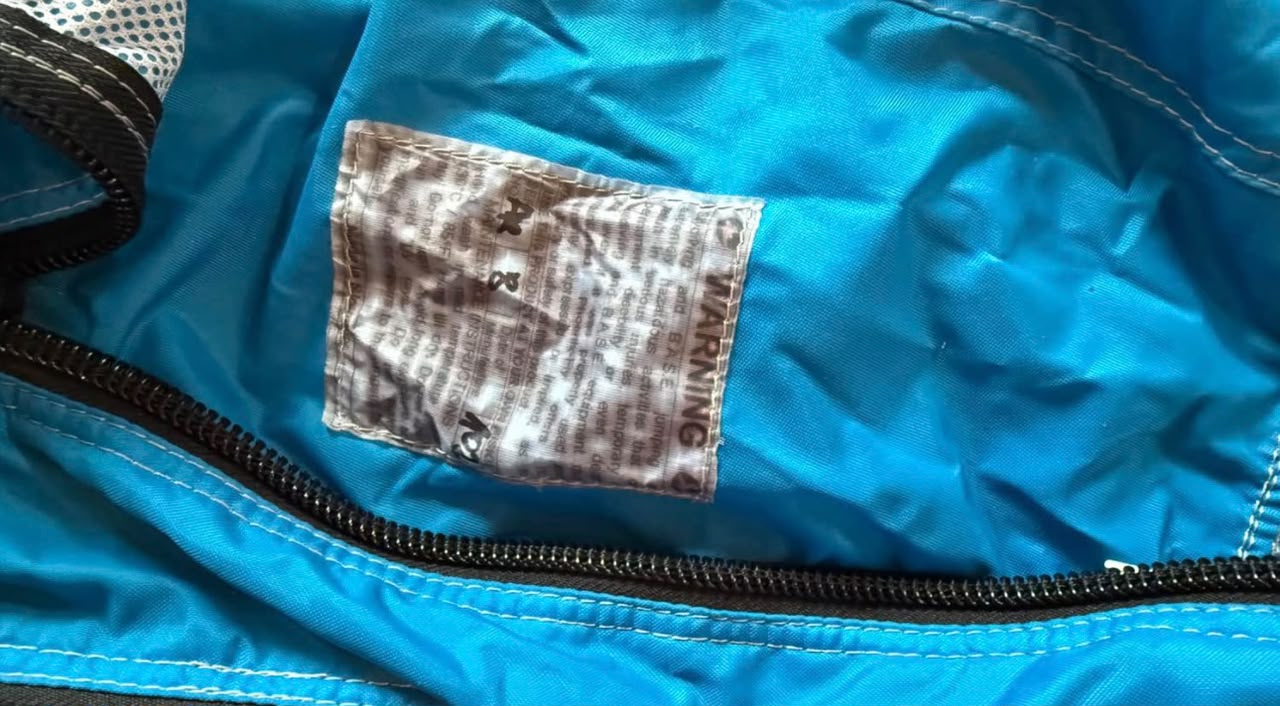
The Arrow is offered by its manufacturer with different BASE and skydiving rigging options. Therefore, buyers must verify which configuration this particular 2021 suit has before purchasing.
Skydiving Helmet, Full Face Skydiving Helmet and Essential Protective Equipment
Protective headgear remains an essential consideration for appropriate sporting activities.
Commonly researched terms include skydiving helmet, skydive helmets, sky helmet skydiving, sky diving helmet, full face skydiving helmet, skydiving helmet full face and best skydiving helmet.
Popular helmet-related searches also include G35 helmet, Cookie G4 helmet, skydiver goggles, skydiving glasses and can you wear glasses while skydiving.
Furthermore, searches for hook blade knife, hook knife skydiving and skydive hook knife concern emergency equipment requiring appropriate instruction.
A complete skydiving equipment list should reflect the requirements of the individual drop zone and qualified instructors. A gear bag skydive search may also help buyers research suitable equipment transportation and storage options.
BASE Jumping, Baseline Jumping and Specialized Flight Applications
Experienced aerial-sport enthusiasts frequently research base jumping, baseline jumping, base canopy, jumper pilot and related specialized equipment.
Other searches include fire parachute, cypress fire skydiving and skydiving tube, which may refer to different equipment, terminology or sporting activities.
Importantly, BASE jumping and aircraft skydiving involve different operational requirements and risk profiles.
The suit’s exact deployment configuration, emergency-access compatibility and structural condition should therefore be reviewed by qualified professionals before any use.
Parachute Jump Australia, Skydive Byron Bay and International Skydiving Destinations
International skydiving enthusiasts regularly research parachute jump Australia, skydive Byron Bay, Cairns skydiving and weight limit skydiving when exploring recreational flight opportunities.
Additional destination searches include skydive Belize, skydiving Blue Hole Belize and iFLY Colorado Springs.
Every location maintains its own operating requirements, safety procedures and equipment policies. Moreover, indoor flight facilities do not necessarily accommodate tracking suits of this performance category.
Consequently, participants should confirm eligibility and equipment approval directly with the relevant operator.
Skydiving Website, Equipment Research and Current Sporting Trends
Search phrases such as skydiving website, new skydive, #skydiving latest and price of wingsuit reflect broader interest in equipment availability and developments within the sport.
Other searches, including nude parachute jump and skydiving nude, concern unusual recreational experiences rather than the technical characteristics of performance tracking equipment.
For serious equipment selection, however, reliable manufacturer information, documented product history and professional inspection are considerably more important than online trends.
Why Choose This Pre-Owned High-Performance Tracking Suit?
This 2021 example brings together a reported low jump count, a specialized aerodynamic design and the established manufacturing background of Phoenix-Fly.
Its European construction incorporates the manufacturer’s stated use of Parapak, Porcher ultralight materials and YKK zippers, although the exact material and optional features of this individual suit should be verified.
Moreover, the combination of broad lateral stability, efficient glide characteristics and hands-free operation makes the Arrow a distinctive option within the advanced tracking category.
For experienced skydivers who meet the appropriate training requirements, the model represents an interesting alternative to conventional tracking equipment.
The Used Phoenix Fly Arrow 2021 offers a compelling combination of aerodynamic sophistication, specialized craftsmanship and established tracking-suit design—subject to verified fit, condition, rigging compatibility and professional approval before flight.
Advanced Aerodynamic Design, Exceptional Glide Efficiency, Precision Craftsmanship, Flight Comfort and Long-Term Equipment Value
Understanding the Engineering Behind Advanced Human Flight
The development of specialized human-flight equipment represents an important achievement in modern aerodynamic engineering. Every aspect of a performance-oriented suit must contribute to a carefully balanced relationship between airflow, material resistance, body movement and overall structural integrity. Furthermore, manufacturers must consider how different body dimensions influence the behavior of the equipment during freefall.
Unlike ordinary recreational clothing, a specialized flight garment incorporates carefully selected materials and strategically developed structural features. These elements help create an aerodynamic surface capable of interacting with airflow in a controlled manner. Consequently, the design process requires substantial consideration of fabric characteristics, panel geometry, construction methods and the physical demands associated with the intended activity.
One of the most important engineering considerations involves the relationship between surface area and aerodynamic resistance. An increased surface area can influence the amount of lift and drag generated during movement through the atmosphere. However, the resulting performance depends on the complete design rather than surface area alone.
The position and movement of the wearer also influence aerodynamic behavior. As a result, specialized equipment must balance its intended performance characteristics with appropriate handling qualities.
Modern manufacturing techniques have made it possible to produce increasingly sophisticated flight garments without abandoning the fundamental principles of dependable textile construction. High-quality stitching, suitable fabrics and accurately positioned components contribute to the final product.
Additionally, manufacturers must account for the different physical forces experienced during recreational aerial activities. These considerations influence reinforcement, fabric selection and the placement of important structural features.
For experienced enthusiasts, the attraction of advanced flight equipment lies partly in this combination of textile craftsmanship and aerodynamic engineering. A well-developed garment demonstrates how carefully designed materials can influence the experience of moving through the air.
The Importance of Aerodynamic Efficiency in Performance-Oriented Flight Equipment
Aerodynamic efficiency describes how effectively an object interacts with the surrounding airflow relative to its intended function. In specialized flight garments, designers seek an appropriate relationship between lift, drag, stability and controllability.
These characteristics are interconnected. Increasing one aspect of aerodynamic performance may influence another, making balanced engineering essential.
For example, a larger aerodynamic profile may provide greater potential for lift generation. However, it can also introduce additional drag or alter the handling characteristics experienced by the wearer.
Consequently, an effective design cannot be judged simply by its external dimensions.
The distribution of fabric surfaces, internal structure and overall garment geometry all influence the aerodynamic system.
Furthermore, the physical characteristics of the wearer play an important role. Differences in body dimensions, mass and proportions may change how a particular suit behaves.
This explains why size compatibility is especially important in performance-oriented equipment.
A garment manufactured around one body profile may not provide equivalent characteristics when worn by someone with substantially different dimensions.
Manufacturers therefore establish sizing guidelines and construction methods intended to support an appropriate fit.
Nevertheless, individual suitability should always be verified through qualified assessment.
Aerodynamic efficiency is ultimately one component of a much broader engineering objective that includes safety, comfort, serviceability and responsible use.
The Relationship Between Glide Potential and Horizontal Travel
Glide performance is commonly discussed in advanced aerial sports because it reflects the relationship between horizontal travel and vertical descent.
A garment’s aerodynamic design can influence this relationship by altering the lift and drag characteristics of the wearer.
However, performance does not depend exclusively on the equipment.
Atmospheric conditions, body dimensions, individual experience and numerous other variables can influence actual results.
Consequently, claims about glide characteristics should be interpreted as general descriptions rather than guarantees of a particular distance.
A suit designed with greater aerodynamic surface area may offer increased glide potential compared with a smaller configuration.
Nevertheless, differences between individual users mean that direct comparisons can be difficult without controlled testing conditions.
Furthermore, the handling demands of a higher-performance design may differ significantly from those of more conventional equipment.
This makes appropriate experience and professional evaluation important considerations.
Manufacturers often develop different product categories to address varying levels of experience and intended applications.
A model offering expanded performance potential is not automatically suitable for every recreational participant.
The most appropriate equipment remains the configuration that aligns with the user’s verified experience, physical measurements and authorized sporting environment.
Why Material Selection Matters in High-Performance Flight Garments
Material selection represents one of the most important elements of advanced textile engineering.
A specialized flight garment must accommodate different physical and environmental requirements while maintaining its intended shape and structural characteristics.
Manufacturers may consider tensile strength, abrasion resistance, air permeability, weight and resistance to ordinary wear.
Each characteristic contributes to the behavior and durability of the finished product.
For example, lightweight fabric may help reduce unnecessary mass. However, weight reduction must be balanced against structural requirements and the intended service environment.
Similarly, materials with appropriate air-permeability characteristics can influence how the garment interacts with airflow.
Protective finishes and coatings may also affect performance and durability.
However, the precise characteristics depend on the fabric specification and manufacturing process.
Consequently, two materials that appear similar may not offer identical properties.
The selection of appropriate fabric therefore requires detailed engineering considerations rather than simple visual comparison.
Owners should also recognize that material performance may change with age, exposure and repeated use.
Professional inspection remains important even when the exterior appears to be in good condition.
The Significance of High-Quality Stitching and Structural Reinforcement
Stitching contributes substantially to the structural integrity of a technical garment.
Seams connect individual fabric panels while distributing forces across the assembled structure.
The quality of these seams depends on several factors, including thread selection, stitch consistency, seam allowance and compatibility with the surrounding material.
Furthermore, some areas of a garment experience greater stress than others.
Manufacturers may incorporate reinforcement where additional durability is required.
However, the placement and construction of reinforcement should follow the original engineering specification.
Unapproved alterations may change the garment’s structural characteristics.
Consequently, owners should not assume that ordinary clothing-repair methods are suitable for specialized flight equipment.
A seam that appears cosmetically simple may perform an important structural function.
Qualified inspection can help determine whether visible wear affects safety or serviceability.
For pre-owned equipment, stitching condition deserves particular attention because previous handling, storage and use may have influenced its integrity.
Well-executed seams also contribute to the garment’s appearance, demonstrating attention to manufacturing detail.
The Importance of Accurate Sizing and Body Proportions
Sizing is especially important when evaluating technical flight clothing.
Unlike ordinary garments, performance-oriented equipment must accommodate movement while preserving the intended relationship between fabric surfaces and the wearer’s body.
Height and weight provide useful starting information, but they do not establish complete suitability.
Two individuals with identical height and weight may have substantially different body proportions.
For example, torso length, shoulder width, arm length and inseam measurements can vary considerably.
These differences may influence how the garment fits and behaves.
Furthermore, the suit must remain compatible with all necessary safety equipment.
A configuration that appears comfortable when worn without additional equipment may behave differently when the complete system is assembled.
Therefore, fit verification should involve more than checking whether the garment can be zipped closed.
The original measurements provide a reference point, while professional assessment helps determine whether the suit is suitable for another wearer.
Accurate sizing is fundamental to both comfort and responsible equipment selection.
Why Individual Fit Should Never Be Assumed
A technical garment that fits one person correctly may not fit another person with similar general measurements.
This is particularly relevant for custom-made or individually configured equipment.
Manufacturing patterns may incorporate specific allowances based on the original customer’s dimensions and intended requirements.
As a result, the finished garment may reflect proportions that are not obvious from a basic size description.
Furthermore, previous alterations can change the original fit.
A pre-owned garment may have been modified to accommodate changes in body dimensions or personal preferences.
Consequently, buyers should request information about any adjustments, repairs or alterations.
Where possible, the original measurement record should be consulted.
Professional inspection can also help identify whether fabric tension, restricted movement or unusual fit characteristics create concerns.
Comfort alone is not sufficient evidence of technical suitability.
The equipment must remain appropriate for its intended function and compatible with associated safety systems.
Understanding the Value of Low Reported Usage
A relatively low reported usage history can make pre-owned sporting equipment more attractive to prospective buyers.
However, usage figures should always be evaluated alongside physical condition and maintenance history.
A garment that has experienced limited activity may still show damage from poor storage, unsuitable handling or accidental contact with abrasive surfaces.
Likewise, a product with a greater number of recorded uses may remain in satisfactory condition if properly maintained.
Consequently, numerical usage information represents only one aspect of the assessment.
The integrity of seams, fabric surfaces, fastening components and structural features must also be considered.
Furthermore, the accuracy of the reported history should be confirmed where possible.
A transparent seller should distinguish verified information from details supplied by a previous owner.
Supporting photographs and service records can provide additional confidence.
However, no amount of documentation replaces an appropriate physical inspection.
For buyers considering specialized pre-owned equipment, condition and suitability remain more important than a low usage figure alone.
The Importance of Understanding Previous Ownership
Previous ownership can influence the condition and suitability of technical sporting equipment.
Different users may expose a garment to different environmental conditions, handling practices and storage arrangements.
For example, repeated exposure to moisture, direct sunlight or abrasive surfaces may affect the materials over time.
Furthermore, unauthorized repairs or alterations could change the original construction.
A useful ownership history should therefore address more than the date of manufacture.
Buyers may benefit from information about previous modifications, known damage and professional inspections.
Where repair work has been completed, the identity and qualifications of the service provider may also be relevant.
Additionally, the seller should disclose any uncertainty about the equipment’s history.
Transparent information supports more informed purchasing decisions.
Although a detailed history does not guarantee future performance, it can help identify matters requiring closer examination.
The Role of Construction Geometry in Overall Design
Construction geometry refers to the arrangement and relationship of the individual sections that form the garment.
In technical flight clothing, panel shapes and connection points influence the overall structure.
The location of different fabric surfaces can affect how the garment responds to movement and aerodynamic forces.
Furthermore, the interaction between flexible and reinforced sections contributes to its intended behavior.
These design relationships are established through development and manufacturing processes.
Consequently, apparently minor alterations may have effects beyond the immediate area of modification.
For this reason, specialized garments should not be modified casually.
The original configuration reflects a particular set of design assumptions about materials, dimensions and intended use.
Maintaining those characteristics helps preserve the manufacturer’s intended construction.
Qualified specialists should evaluate any proposed alteration to determine whether it is appropriate.
Why Hands-Free Design Is an Important Engineering Concept
Some advanced flight garments employ design features intended to preserve greater freedom of arm movement.
This approach reflects a different set of engineering priorities from configurations that incorporate substantial fabric surfaces between the arms and torso.
The resulting garment may provide a different experience in terms of movement and general handling.
However, freedom of movement does not remove the need for appropriate training or technical compatibility.
Furthermore, the interaction between the garment and other safety equipment requires careful evaluation.
The term hands-free should therefore be understood as a design characteristic rather than a general assurance of safety.
Its practical significance depends on the complete equipment configuration and the manufacturer’s intended application.
Buyers should consult official documentation to understand what the design provides and what limitations remain.
Long-Term Durability and the Effects of Environmental Exposure
Technical fabrics may experience gradual changes during their service life.
Environmental conditions can influence material strength, flexibility, colour and protective treatments.
Ultraviolet exposure is one important consideration.
Prolonged sunlight can affect certain textile fibres and coatings, although the degree of deterioration depends on the material.
Moisture can also create problems when equipment remains damp for extended periods.
Furthermore, dirt and abrasive particles may contribute to surface wear.
Consequently, appropriate storage and manufacturer-approved cleaning are important preservation measures.
However, visual appearance does not always reveal every form of material degradation.
A fabric surface may look satisfactory while still requiring closer inspection.
Owners should therefore avoid relying exclusively on photographs or superficial assessment.
Regular examination by a competent specialist can help identify concerns that may otherwise remain unnoticed.
Maintaining the Integrity of Technical Fabrics
Proper textile care supports both appearance and serviceability.
Specialized materials may require different cleaning procedures from ordinary clothing.
For example, certain detergents, solvents or high-temperature washing processes may damage protective coatings.
Consequently, owners should consult the manufacturer’s maintenance instructions before cleaning.
Where surface dirt is present, the recommended method should be followed rather than applying aggressive household products.
Furthermore, unnecessary scrubbing can contribute to abrasion.
Drying conditions also matter.
Excessive heat may affect certain synthetic fabrics or bonded components.
Therefore, equipment should not automatically be placed in a tumble dryer or near a direct heat source.
Any uncertainty about cleaning procedures should be resolved through the manufacturer or an authorized specialist.
Preserving the original material characteristics remains more important than achieving a particular cosmetic appearance.
The Importance of Maintaining Fastening Components
Fastening systems are essential components of specialized garments.
Zippers, closures and other connecting elements must remain in suitable condition.
Repeated handling, contamination or mechanical damage can affect their operation.
Furthermore, misalignment may indicate that a component requires inspection.
For pre-owned equipment, fastening systems should receive careful attention because their condition can be influenced by previous use.
Visible damage, missing teeth or unusual resistance should not be ignored.
However, owners should avoid forcing damaged components or attempting unapproved repairs.
A qualified service provider can determine whether replacement is required.
The use of genuine or manufacturer-approved replacement components helps maintain compatibility with the original construction.
A fastening system is not merely a convenience feature when it forms part of a technical garment.
Its reliability may be relevant to the complete equipment’s suitability.
How Professional Inspection Supports Responsible Purchasing
Professional inspection provides an important safeguard when purchasing specialized pre-owned sporting equipment.
An experienced technician can evaluate visible construction details and identify potential areas of concern.
The inspection may include fabric condition, seams, fasteners, modifications and compatibility with associated equipment.
However, the exact scope should follow the manufacturer’s recommendations and the qualifications of the inspector.
The purpose is to establish whether the garment remains suitable for its intended use.
Furthermore, a professional assessment can identify uncertainties that require manufacturer guidance.
Buyers should not assume that a seller’s description constitutes a formal inspection report.
A statement such as excellent condition may describe general appearance rather than verified structural integrity.
Consequently, professional evaluation remains valuable even when the equipment appears relatively new.
Understanding the Importance of Equipment Compatibility
Technical flight garments form part of a broader sporting equipment system.
Their suitability cannot be assessed independently from the other components with which they will be used.
Different configurations may introduce specific compatibility requirements.
Furthermore, a design intended for one operational category may not be appropriate for another.
Consequently, prospective owners should verify the exact configuration and consult qualified equipment specialists.
This is particularly important when acquiring pre-owned equipment with an incomplete documentation history.
The original manufacturer’s instructions provide an essential reference.
Compatibility should never be inferred merely because two components can be physically worn together.
The complete system must be appropriate for the user’s intended lawful sporting activity and experience level.
The Importance of Recognizing Equipment Limitations
Every technical product has limitations.
A performance-oriented design may offer particular advantages while also presenting requirements that differ from those associated with simpler equipment.
Consequently, advanced features should not be interpreted as universally beneficial.
The intended user profile, experience requirements and operational environment all matter.
Furthermore, manufacturers may establish minimum experience recommendations or specific training prerequisites.
These requirements reflect the characteristics of the product and should be treated seriously.
Pre-owned status does not change the original experience requirements.
Similarly, a low reported usage history does not make advanced equipment suitable for an inexperienced participant.
Responsible ownership involves recognizing these distinctions before making a purchase.
Why Experience Requirements Should Influence Equipment Selection
Experience plays a significant role in the responsible selection of specialized aerial-sport equipment.
Different product categories may place different demands on the user.
Consequently, equipment should be selected according to documented experience rather than appearance or advertised performance potential alone.
Qualified instructors and experienced safety personnel can provide individualized assessments.
Furthermore, training requirements may vary between organizations and locations.
A participant who meets one facility’s criteria may still need additional evaluation elsewhere.
The relevant manufacturer recommendations should therefore be reviewed alongside the policies of the intended sporting organization.
Advanced equipment is best regarded as a specialized tool for appropriately trained individuals.
Its ownership does not establish the qualifications required to use it.
The Relationship Between Comfort and Performance-Oriented Design
Comfort remains an important consideration even in equipment developed primarily around aerodynamic performance.
The wearer must accommodate a technical garment alongside other necessary equipment.
Consequently, the construction should account for appropriate movement and the individual’s body dimensions.
However, a high-performance design may feel different from ordinary clothing.
The presence of specialized fabric panels and structural features can influence its fit and overall feel.
Furthermore, environmental conditions may affect comfort.
Temperature, humidity and the clothing worn beneath the garment can influence the experience.
For these reasons, comfort assessments should occur within the manufacturer’s intended fitting procedures.
A garment that feels comfortable during casual inspection may still require professional verification before use.
Understanding the Influence of Age on Technical Equipment
The manufacturing year provides useful context about the age of a pre-owned garment.
However, chronological age alone does not establish its condition.
Storage conditions, usage history, material characteristics and previous maintenance all influence the state of the product.
For example, equipment stored in a dry, temperature-controlled environment may experience different deterioration from equipment exposed to excessive moisture or sunlight.
Furthermore, certain components may require replacement regardless of how frequently the garment has been used.
Manufacturer guidance should determine whether age-related inspection requirements apply.
Prospective buyers should therefore evaluate the actual equipment rather than relying exclusively on the manufacturing date.
The absence of visible wear is encouraging but should never replace a competent assessment.
The Importance of Transparent Condition Reporting
An accurate condition description benefits both buyers and sellers.
It helps establish realistic expectations while reducing the likelihood of misunderstandings.
A useful description should distinguish between confirmed facts and statements based on previous ownership information.
For example, a reported usage count should be identified as reported unless independently documented.
Similarly, any known repairs or modifications should be disclosed.
Photographs can help illustrate general appearance, but they cannot establish the internal integrity of every component.
Furthermore, damage may be difficult to identify from certain camera angles.
A responsible seller should therefore provide information about any known limitations and make the equipment available for appropriate inspection.
Transparency creates confidence without relying on exaggerated claims.
Why Pre-Owned Equipment Can Represent Attractive Value
Pre-owned technical sporting equipment can appeal to buyers who want access to established designs without necessarily purchasing a newly manufactured example.
However, the value proposition depends on several factors.
These include actual condition, verified configuration, suitability, available documentation and professional inspection requirements.
A relatively recent manufacturing date may increase interest, but it does not guarantee that the product remains serviceable.
Furthermore, additional costs associated with inspection or approved repairs should be considered.
Consequently, the advertised purchase price should be evaluated alongside the complete cost of responsible ownership.
An attractive offer is one in which the equipment’s condition, suitability and supporting information justify the overall expense.
The Importance of Original Manufacturer Support
Manufacturer support can be especially valuable for technical garments.
Original documentation provides information about intended materials, construction methods and product limitations.
Furthermore, the manufacturer may be able to clarify whether a particular alteration or repair is acceptable.
Not every local textile-repair business possesses the expertise necessary to work with specialized flight equipment.
Consequently, owners should seek authorized or appropriately qualified service providers.
Manufacturer guidance can also help identify whether a specific production version has unique characteristics.
This is particularly relevant when similar product names have been used across different years.
Maintaining contact with established service channels can therefore support more responsible long-term ownership.
Preserving Technical Equipment During Transportation
Transportation is another important aspect of equipment care.
Specialized garments may be exposed to abrasion, moisture or compression while travelling.
A suitable protective bag can help reduce unnecessary contact with potentially damaging surfaces.
However, storage and transportation accessories should not place excessive pressure on sensitive components.
Furthermore, equipment should not be packed while damp unless the manufacturer specifically permits the procedure.
Prolonged moisture retention may encourage unpleasant odours or material deterioration.
Owners should also keep sharp objects and contaminating substances away from the garment.
During travel, relevant airline rules and local regulations should be checked.
Appropriate handling helps preserve the equipment’s condition between authorized sporting activities.
Storage Practices That Support Long-Term Preservation
Correct storage can significantly influence the useful condition of a technical garment.
A clean, dry environment is generally preferable to a location exposed to persistent humidity.
Furthermore, prolonged direct sunlight should be avoided because ultraviolet radiation can affect certain synthetic materials.
The equipment should also be protected from contact with oils, fuels, solvents and other potentially damaging substances.
Excessive compression may be undesirable for some garment configurations.
Consequently, owners should follow the manufacturer’s specific storage recommendations.
Regular visual inspection can help identify emerging signs of deterioration.
However, the absence of obvious damage should not be interpreted as proof that the equipment remains suitable for use.
Where age, storage history or structural condition raises concerns, professional inspection is advisable.
Why Original Construction Should Be Preserved
The original design of a technical garment reflects particular engineering decisions.
Fabric panels, seams and structural components have been selected and positioned according to the manufacturer’s intended configuration.
Unapproved modifications may change these relationships.
Consequently, alterations should not be undertaken simply to improve cosmetic appearance or achieve a more convenient fit.
Even seemingly minor changes can affect the distribution of material or the relationship between different sections.
Furthermore, modifications may complicate future inspection or servicing.
Where adjustment is necessary, the manufacturer or a qualified specialist should determine whether it can be completed safely.
Preserving the original construction helps maintain the integrity of the product’s documented design.
The Value of Responsible Sporting Participation
Technical equipment should always be used within an appropriate sporting framework.
Authorized facilities, qualified supervision and established safety procedures provide important safeguards.
Furthermore, individual participants must meet applicable training requirements.
Owning specialized equipment does not automatically establish the competence required to use it.
Responsible sporting participation also involves respecting operational restrictions and the instructions of qualified personnel.
Equipment suitability should be assessed before any activity, particularly when the item has been purchased second-hand.
The objective is to ensure that performance-oriented products remain within the environment and experience level for which they were designed.
Why Performance Claims Require Context
Performance descriptions are common in technical equipment marketing.
However, terms such as greater glide, improved range and enhanced efficiency require appropriate context.
Actual results may vary with the individual user, environmental conditions and equipment configuration.
Consequently, a general comparison between two products should not be interpreted as a guaranteed numerical advantage.
Furthermore, subjective impressions can differ between experienced users.
A suit that feels familiar to one person may present different characteristics to another.
Credible product descriptions should therefore distinguish manufacturer specifications from individual experiences.
Where objective measurements are unavailable, qualitative descriptions should be presented with appropriate limitations.
This approach supports informed purchasing decisions and avoids misleading expectations.
Evaluating Long-Term Equipment Value
The value of a technical garment extends beyond its initial purchase price.
Material quality, manufacturing standards, serviceability and condition all contribute to its long-term appeal.
Furthermore, the availability of authorized support may influence ownership costs.
A product requiring extensive repairs may represent a less attractive purchase than a higher-priced example in verified satisfactory condition.
Similarly, equipment that does not fit the intended user has limited practical value regardless of its apparent condition.
Consequently, suitability should remain central to the evaluation.
Buyers should also consider whether the manufacturer’s original documentation is available.
Accurate records can simplify future inspection and provide useful information if ownership changes.
Why Craftsmanship Remains a Defining Characteristic
The appeal of premium technical equipment often begins with the quality of its construction.
Carefully assembled fabric panels, consistent stitching and durable fastening components demonstrate attention to manufacturing detail.
Furthermore, a well-developed design integrates its functional elements without unnecessary complication.
For experienced enthusiasts, this combination of craftsmanship and technical purpose can make specialized equipment particularly attractive.
However, visual refinement should not be confused with verified structural condition.
A technically sophisticated garment still requires appropriate inspection and responsible care.
Consequently, genuine quality should be judged through both construction and serviceability.
Understanding the Balance Between Innovation and Reliability
Innovation plays an important role in the development of advanced aerial-sport equipment.
Manufacturers continually explore new materials, garment geometries and production methods.
However, successful innovation must remain compatible with established safety expectations and practical service requirements.
A new design characteristic may offer an advantage in one area while introducing different considerations elsewhere.
Consequently, responsible development involves evaluating the complete product rather than a single feature.
Reliability remains fundamental because technical equipment must function within its intended operating environment.
Furthermore, clear documentation allows appropriately qualified users and specialists to understand its limitations.
The strongest designs combine innovation with sound manufacturing principles.
Final Assessment of Quality, Engineering and Ownership Benefits
A premium technical flight garment represents the intersection of aerodynamic development, textile engineering and specialized sporting requirements.
Its overall value depends on far more than external appearance or advertised performance.
Material quality influences structural durability, while careful stitching and panel construction contribute to the integrity of the complete garment.
Furthermore, accurate sizing is essential because individual body proportions can affect fit and suitability.
Previous usage history provides useful context but cannot replace physical inspection.
The same principle applies to manufacturing age and cosmetic condition.
A relatively recent garment may still require professional assessment if its storage history or structural integrity remains uncertain.
Responsible ownership therefore involves examining verified measurements, construction details, maintenance requirements and manufacturer recommendations.
Additionally, compatibility with other necessary equipment must be established before any sporting activity.
For experienced enthusiasts, advanced designs can offer considerable interest through their aerodynamic characteristics and manufacturing sophistication.
However, the appeal of increased performance potential must always be considered alongside training requirements and operational limitations.
Ultimately, a well-maintained pre-owned garment can represent an attractive opportunity when its condition, dimensions, configuration and intended application are properly verified.
Its strongest selling points are the quality of its engineering, the integrity of its materials, its documented history and the confidence provided by professional inspection.
By combining responsible purchasing decisions with appropriate maintenance and qualified oversight, owners can preserve the condition of specialized equipment while respecting the safety standards essential to advanced recreational aerial sports.
Be the first to review “Used Phoenix Fly Arrow 2021”
Related products
used products
used products


used products

used products

used products

used products

used products


used products
Reviews
There are no reviews yet.