







Used Tracksuit One-piece 1P Wahoo 2 from Intrudair

€350.00
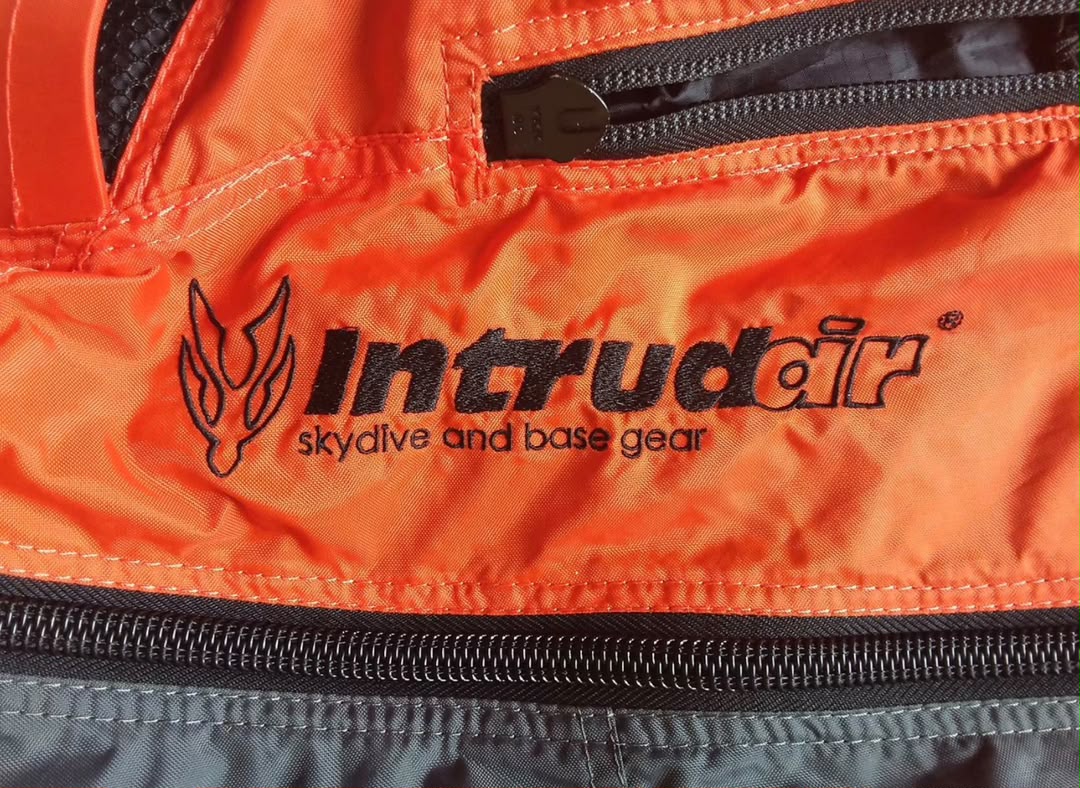
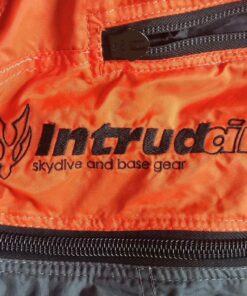
Used Intrudair Wahoo 2 One-Piece Tracking Suit
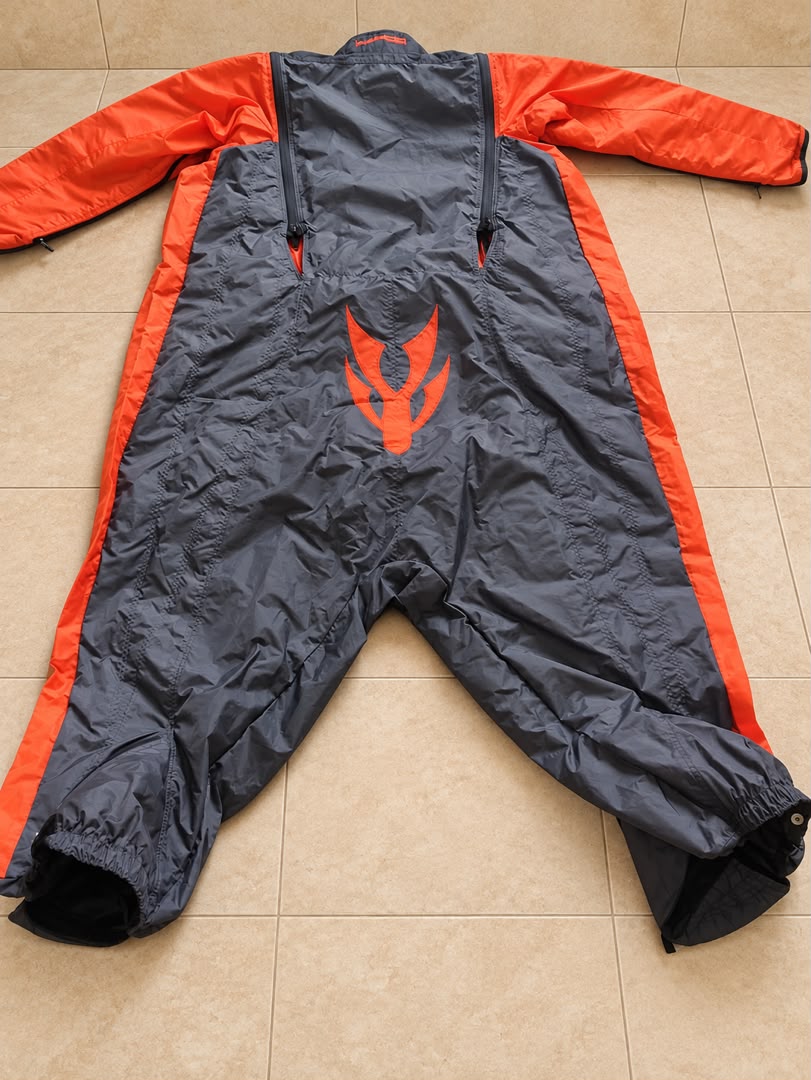
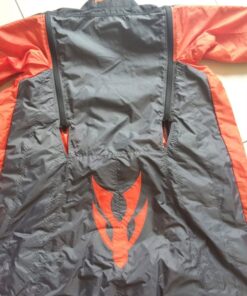
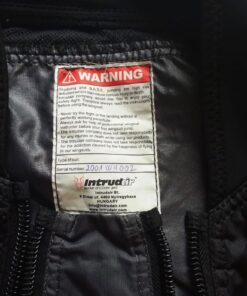
Used Intrudair Wahoo 2 one-piece tracking suit, DOM 2018, offered by the first owner and reported to have completed fewer than five skydives. The suit is in very good condition with no reported damage, making it an attractive option for a jumper looking for a lightly used technical tracking suit.
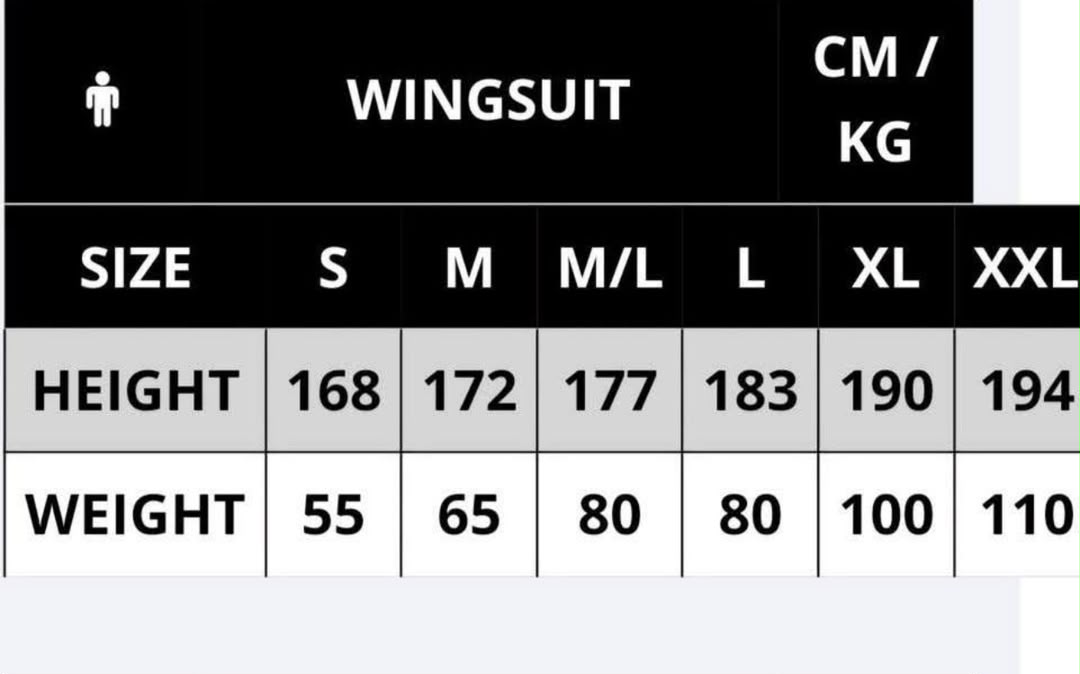
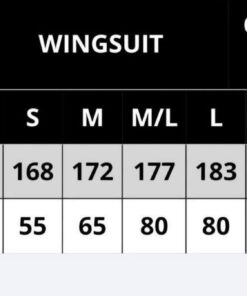
This Wahoo 2 is size M and is stated to suit approximately 172 cm height and 65–75 kg body weight. Because tracking-suit performance depends heavily on body proportions, buyers should still confirm chest, torso, hip, thigh, arm and leg measurements before use.
Key details include:
- Intrudair Wahoo 2 one-piece design
- DOM 2018
- First-owner history
- Fewer than 5 reported skydives
- Very good overall condition
- No reported damage
- Size M
- Approximate fit: 172 cm / 65–75 kg
- Aerodynamic tracking-focused construction
- Fast inflation and strong internal pressurization
- Free arm movement
- Ventilation zippers
- Internal pockets
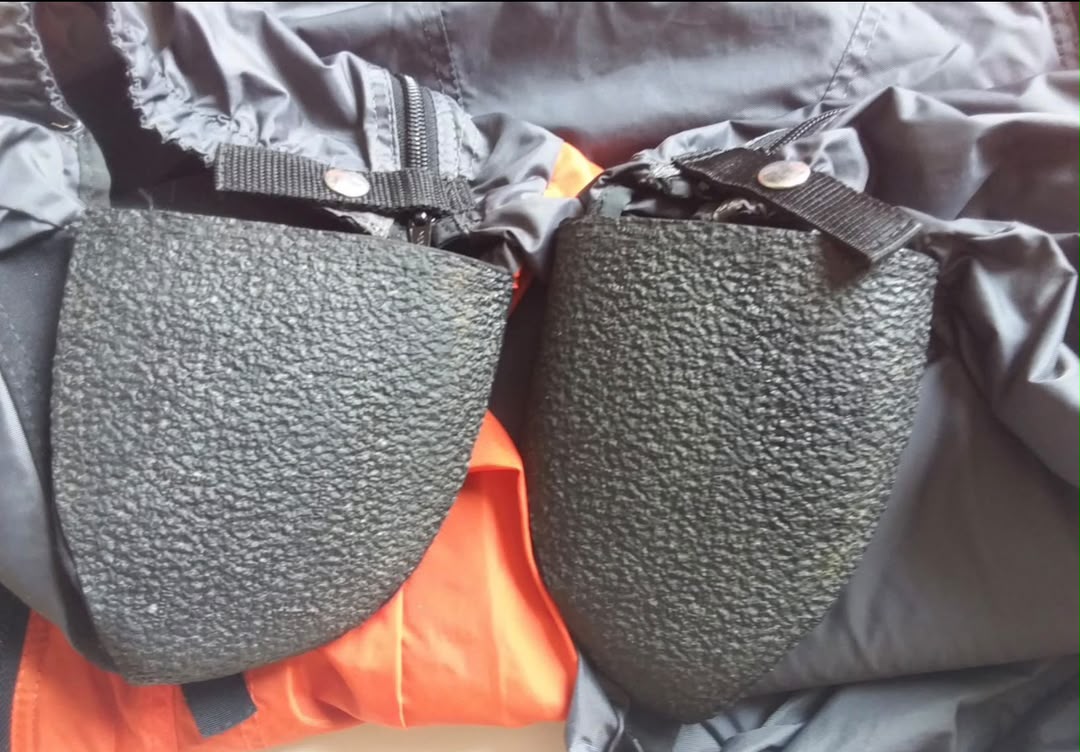
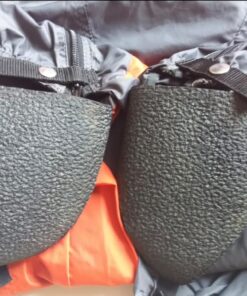
- Durable sole construction
The suit should be inspected before use and tried on with the actual parachute rig to confirm proper fit, unrestricted movement and full access to all deployment and emergency handles.
Used Tracksuit One-Piece 1P Wahoo 2 from Intrudair – High-Performance Tracking Suit
The Used Tracksuit One-Piece 1P Wahoo 2 from Intrudair is a purpose-built tracking suit created for skydivers who want more glide, faster horizontal travel, strong internal pressurization and greater aerodynamic performance than a conventional jumpsuit while retaining substantially more freedom of movement than a traditional wingsuit.
According to the supplied ownership information, this suit has a 2018 date of manufacture, comes from the first owner, has completed fewer than five skydives, remains in very good condition, and has no reported damage used tracksuit one piece 1p wahoo 2 from intrudair.
It is listed as size M, with the stated fit reference being approximately 172 cm in height and 65–75 kg in body weight.
Those measurements provide a useful starting point, although a tracking suit should not be selected on height and weight alone.
Torso length, chest, waist, hips, thighs, arm length, shoulder width and the clothing normally worn underneath can all influence fit.
Intrudair currently specifies the Wahoo 2 as a one-piece tracking suit developed to provide improved glide, fast inflation, easy handling, unrestricted arm movement and greater speed. Its second-generation design uses a smoother and stiffer leading edge, optimized aerodynamic surfaces, narrowed arm sections, enlarged internal pressure, highly effective air inlets, internal storage pockets, ventilation zippers, Vibram soles and durable YKK zippers.
Seller-Stated Condition
This particular suit is described as:
- DOM 2018
- First owner
- Fewer than five reported skydives
- Very good overall condition
- No reported damage
- Size M
- Approximate fit: 172 cm
- Approximate weight range: 65–75 kg
Why the Low Jump Count Matters
Fewer than five reported skydives suggests very limited use.
However, condition should still be checked directly because age, storage environment and handling can affect technical clothing even when jump numbers are low.
One-Piece Tracking Design
The Wahoo 2 is constructed as a complete one-piece tracking suit.
Why One-Piece Construction Matters
A one-piece format creates a continuous aerodynamic surface across the torso, arms and legs.
This can help stabilize airflow and support consistent inflation.
Why This Differs From a Two-Piece Tracking Suit
A separate jacket and trousers can create different airflow and body-position characteristics.
The one-piece system is intended to work as a unified aerodynamic garment.
Stiffened Leading Edge
The second-generation suit uses a stiffer, smoother leading edge.
Why the Leading Edge Matters
The forward-facing edge influences how cleanly air flows around the suit.
Improved structure can support more stable pressurization and cleaner flight.
Optimized Surface Ratio
The Wahoo 2 uses redesigned lower-leg surfaces and narrowed arm sections.
Why This Matters
The design is intended to increase speed while preserving controllability and arm movement.
Fast Inflation
Intrudair specifically emphasizes the suit’s highly effective air-inlet design.
Why Fast Inflation Matters
Rapid inflation allows the suit to establish its aerodynamic shape quickly after exit.
High Internal Pressure
The suit is designed to retain considerable internal pressure.
Why Internal Pressure Matters
A well-pressurized tracking suit maintains cleaner aerodynamic surfaces.
Reduced Air Resistance
The Wahoo 2 is designed to keep drag relatively low while maintaining its tracking surfaces.
Why This Matters
Higher usable airspeed can contribute to stronger glide performance.
Free Arm Movement
One of the most important features is that the arms remain free.
Why This Matters
The jumper retains a large degree of natural arm mobility.
This can simplify:
Body-position changes
Handle access
Rig checks
Exit preparation
Deployment preparation
Ventilation Zippers
Large arm zippers can be opened while waiting on the ground or inside the aircraft.
Why This Helps
A pressurized tracking suit can become warm before exit.
Ventilation improves comfort before the jump.
Internal Pockets
The design incorporates internal storage pockets.
Why Internal Placement Matters
Items can be stored without significantly disturbing the suit’s external aerodynamic surface.
Vibram Sole
The suit incorporates Vibram sole construction.
Why Sole Durability Matters
Foot areas can receive abrasion during:
Walking
Aircraft movement
Exit setup
Landing movement
Durable YKK Zippers
The Wahoo 2 uses durable YKK zippers.
Why Zipper Quality Matters
The suit relies on secure closure to maintain correct shape and airflow.
Size M
This particular suit is listed as medium.
Why the Label Is Only a Starting Point
Tracking-suit performance depends on fit.
A medium label should therefore be supported by actual body measurements.
Approximate Height Fit – 172 cm
The seller states an intended height around 172 cm.
Why Height Matters
Height affects:
Torso length
Leg positioning
Arm reach
Overall surface tension
Approximate Weight Fit – 65 to 75 kg
The stated body-weight range is 65–75 kg.
Why Weight Matters
Weight can influence both garment fit and fall characteristics.
However, body shape still matters significantly.
Why Fit Is Critical
A tracking suit that is too loose may not hold the intended aerodynamic shape.
A suit that is too tight can restrict body movement.
Measurements Worth Checking
Before purchasing, compare:
Chest
Waist
Hips
Thighs
Arm length
Torso
Leg length
Shoulder width
Why Tracking Technique Still Matters
The suit can improve aerodynamic efficiency, but it cannot replace correct bodyflight skills.
Important Skills Include
Stable exit
Pitch control
Heading control
Horizontal separation awareness
Deployment preparation
Traffic awareness
parachute jump australia
parachute jump australia searches often relate to drop zones, training and equipment use within Australia.
A tracking suit should be used only in accordance with the rules of the specific drop zone and local skydiving organization.
skydive byron bay
skydive byron bay is associated with skydiving activity in the Byron Bay region.
Anyone travelling with personal tracking equipment should confirm local requirements before use.
weight limit skydiving
weight limit skydiving depends on the operator, equipment and jump type.
For this suit, body weight also affects how closely the garment matches its intended aerodynamic fit.
cairns skydiving
cairns skydiving searches commonly concern jumping opportunities in the Cairns area.
Tracking equipment use should be coordinated with the local drop zone.
skydiving helmet
A skydiving helmet is separate from this tracking suit but remains an important part of personal equipment.
skydive helmets
skydive helmets are offered in full-face and open-face configurations.
Helmet selection should match the discipline and provide good visibility.
hook blade knife
A hook blade knife is an emergency cutting tool that may be carried separately as part of a jumper’s personal setup.
tracking jump
A tracking jump is exactly the type of discipline for which the Wahoo 2 was created.
The suit is designed to increase aerodynamic performance compared with ordinary clothing while retaining free arm movement.
parachute rig
A parachute rig is worn underneath or with the suit and remains separate from the tracking garment.
Handle accessibility must be checked before use.
linewear
linewear concerns parachute suspension-line condition and is unrelated to the tracking suit itself.
Nevertheless, the complete parachute system should always be inspected independently.
base jumping
base jumping is one of the activities for which Intrudair markets the Wahoo 2, although BASE jumping requires specialist training, environment-specific knowledge and dedicated equipment decisions.
sky helmet skydiving
A sky helmet skydiving setup should remain compatible with visibility and head movement during tracking.
wingsuit sport
wingsuit sport uses more enclosed aerodynamic surfaces than a tracking suit.
The Wahoo 2 sits between conventional bodyflight clothing and a full wingsuit in terms of aerodynamic assistance.
vector wingsuit
vector wingsuit searches may relate to harness/container or wingsuit configurations.
This product is a tracking suit rather than a Vector-branded container or conventional wingsuit.
full face skydiving helmet
A full face skydiving helmet provides facial coverage and wind protection.
It should allow unrestricted head movement and visibility during tracking.
skydiving downsizing chart
A skydiving downsizing chart concerns canopy progression rather than tracking-suit sizing.
Canopy decisions should be made separately from bodyflight-suit selection.
landing flight risers
landing flight risers form part of the parachute system and are unrelated to the Wahoo 2 itself.
fire parachute
A fire parachute phrase does not describe this suit or its intended function.
The Wahoo 2 is technical bodyflight clothing.
cypress fire skydiving
The phrase cypress fire skydiving appears to mix AAD terminology with unrelated wording.
An AAD is part of the parachute system, not part of the tracking suit.
skydiving rigging
skydiving rigging relates to parachute assembly and maintenance.
The tracking suit should still be checked to ensure it does not obstruct deployment handles.
baseline jumping
baseline jumping is sometimes used loosely around BASE disciplines.
Tracking-suit flying in BASE environments requires dedicated training and site knowledge.
sky diving helmet
A sky diving helmet should remain secure during high-speed tracking flight.
hook knife skydiving
A hook knife skydiving setup can form part of personal emergency equipment.
Its placement should remain accessible when wearing the suit.
landing flight risers
The repeated phrase landing flight risers again refers to canopy hardware rather than the tracking suit.
skydiving glasses
skydiving glasses or goggles can protect the eyes during freefall when an open-face helmet is worn.
nude parachute jump
A nude parachute jump has no direct relationship to the engineering or performance of the Wahoo 2.
Drop-zone policies and safety requirements still apply.
ifly colorado springs
ifly colorado springs refers to indoor bodyflight training.
Tunnel skills can support general body awareness but do not duplicate outdoor tracking flight.
skydive hook knife
A skydive hook knife is carried separately and should not interfere with suit fit or deployment-handle access.
skydiving helmet full face
A skydiving helmet full face can work well for tracking when visibility and head movement remain unrestricted.
skydiving blue hole belize
skydiving blue hole belize refers to destination skydiving.
Travelling jumpers should check local equipment and discipline requirements.
smallest canopy
The smallest canopy is unrelated to tracking-suit size.
Canopy downsizing should be approached separately and conservatively.
skydiving speed
skydiving speed can change significantly during tracking because horizontal speed increases while body angle changes.
The Wahoo 2 is designed to support efficient forward movement.
wing suits for sale
wing suits for sale describes a different category of flight suit.
The Wahoo 2 is specifically a one-piece tracking suit.
skydiving nude
skydiving nude is not related to this product’s design, condition or intended performance.
parts of a parachute
The parts of a parachute include the harness/container, main canopy, reserve, risers and deployment components.
The Wahoo 2 is clothing worn around or with that system rather than part of the parachute itself.
container skydive
A container skydive system holds the main and reserve parachutes.
Before using this suit, the jumper should verify that all handles remain reachable.
g35 helmet
A g35 helmet is a separate piece of skydiving equipment and is not included with this suit unless specifically stated.
best skydiving helmet
The best skydiving helmet depends on fit, discipline, comfort and visibility.
Helmet choice is independent of this suit.
skydive belize
skydive belize concerns destination jumping rather than suit specifications.
freefly pud handle
A freefly pud handle is a deployment-handle design.
Before any jump, handle access should be tested while the suit and rig are worn together.
gliding suit wingsuit
A gliding suit wingsuit uses fabric wings connecting body surfaces.
The Wahoo 2 instead uses a tracking-oriented one-piece design that leaves the arms fully free.
jumper pilot
A jumper pilot still relies on correct bodyflight judgment while wearing a tracking suit.
The suit enhances aerodynamic potential but does not replace piloting skills.
crw skydiving
crw skydiving involves canopy-relative work after deployment and is unrelated to the primary purpose of the Wahoo 2.
gear bag skydive
A gear bag skydive setup can help protect this suit during storage and travel.
skydiving equipment list
A typical skydiving equipment list may include:
Parachute rig
Helmet
Altimeter
Goggles
Jumpsuit or tracking suit
Hook knife
Gear bag
This Wahoo 2 fills the specialized tracking-suit role within that broader equipment setup.
indoor wingsuit
indoor wingsuit training occurs in specialized facilities and differs from conventional wind-tunnel bodyflight.
The Wahoo 2 is designed primarily for outdoor tracking use.
can you wear glasses while skydiving
For can you wear glasses while skydiving, many jumpers use goggles or full-face helmets that can accommodate prescription eyewear.
wingsuit
A wingsuit has larger aerodynamic wing surfaces and different deployment considerations.
The Wahoo 2 is a tracking suit and should not be represented as a full wingsuit.
skydiving website
A reliable skydiving website should provide accurate manufacturer and training information.
Intrudair’s own documentation should be prioritized for suit-specific specifications.
cookie g4 helmet
A cookie g4 helmet is a separate full-face helmet and is not included in the stated sale.
base canopy
A base canopy is a parachute designed for BASE environments.
It is not part of this tracking suit.
new skydive
A new skydive participant should not begin high-performance tracking solely because specialized equipment is available.
Appropriate coaching and progression remain essential.
#skydiving latest
#skydiving latest generally relates to current skydiving content or social media.
Technical use decisions should rely on instruction and manufacturer guidance instead.
canopy flight
canopy flight begins after deployment and is separate from the suit’s freefall tracking function.
skydiver goggles
skydiver goggles provide eye protection and should fit securely during high-speed freefall.
speed sky diving
speed sky diving involves specialized high-speed vertical flying and should not be confused with efficient horizontal tracking.
fly suits
fly suits can include freefly suits, formation-skydiving suits, tracking suits and other discipline-specific garments.
The Wahoo 2 belongs specifically to the one-piece tracking category.
skydiving rig
A skydiving rig must remain fully accessible when worn with the suit.
Before jumping, the pilot chute handle, cutaway handle and reserve handle should all be checked for unobstructed access.
safire 3
The safire 3 is a sport main canopy and is unrelated to the construction of this suit.
skydiving gliding suit
A skydiving gliding suit can describe clothing designed to improve aerodynamic glide.
The Wahoo 2 fits this broad idea but is specifically classified by Intrudair as a one-piece tracking suit.
fluid wings
fluid wings is associated with sport parachute canopies rather than tracking suits.
price of wingsuit
The price of wingsuit equipment differs from tracking-suit pricing because the equipment categories are not identical.
Intrudair currently lists the new Wahoo 2 within its tracking range rather than its wingsuit category.
tandem wingsuit
A tandem wingsuit is not part of this product description and should not be confused with ordinary tandem skydiving or one-piece tracking.
skydiving tube
A skydiving tube is a specialized freefall prop or discipline item and is unrelated to this suit’s primary function.
Why the Wahoo 2 Was Developed
The Wahoo 2 represents Intrudair’s second-generation development of its one-piece tracking concept.
The company focused on improving speed, glide, inflation and freedom of movement.
Why the Stiffened Leading Edge Matters
A more rigid leading edge can hold its aerodynamic shape more effectively.
This can contribute to cleaner airflow and more stable pressurization.
Why Speed Matters
Tracking performance depends heavily on usable forward speed.
Greater speed can increase horizontal distance when the body angle and suit configuration are controlled correctly.
Why Glide Matters
A stronger glide ratio can allow more horizontal distance for a given amount of altitude.
This can be valuable during organized tracking jumps when appropriate separation procedures are followed.
Why Arm Freedom Matters
Unlike many wingsuits, the Wahoo 2 leaves the arms largely independent.
This can simplify:
Exit setup
Body-position correction
Visual checks
Deployment preparation
Handle access
Why Rapid Inflation Matters
The suit’s air inlets are designed to pressurize quickly after exit.
Rapid inflation helps the garment reach its intended shape sooner.
Why Low Drag Matters
Intrudair combines high internal pressure with reduced external resistance.
The goal is efficient forward flight rather than simply creating the largest possible surface.
Why the Suit Is Not Oversized
The manufacturer specifically notes that the Wahoo 2 is not exceptionally large for its category.
That can support manageable handling while still providing strong glide.
Why It Can Be Used for Learning One-Piece Tracking
Intrudair currently places the Wahoo 2 in its starter/learning one-piece tracking category.
That positioning does not mean an inexperienced skydiver should use it without instruction.
Rather, it means the design is intended to provide relatively approachable handling within the one-piece tracking category.
Why Experience Still Matters
Tracking creates significant horizontal movement.
The jumper must understand:
Exit separation
Group direction
Horizontal separation
Breakoff procedures
Deployment lanes
Airspace awareness
Why Group Tracking Requires Planning
Multiple tracking groups can cover substantial horizontal distance.
Flight direction should therefore be coordinated with the drop zone and other groups.
Why the Suit Must Fit Correctly
The aerodynamic surfaces depend on body dimensions.
A poor fit can change inflation and handling.
Too Loose
Excess fabric may flap or inflate inconsistently.
Too Tight
Movement may be restricted.
Fit Reference for This Used Suit
The seller lists:
Size M
Approximate height: 172 cm
Approximate body weight: 65–75 kg
Why Those Numbers Are Helpful
They provide an initial buyer filter.
Why They Are Not a Guarantee
Two people at 172 cm and 70 kg can have very different:
Torso lengths
Shoulder widths
Waist measurements
Thigh dimensions
Arm lengths
Why Measuring Before Purchase Matters
Intrudair’s current custom sizing system requests detailed body measurements rather than only height and weight.
This shows how important body proportions are to the intended fit.
Why the Very Low Jump Count Is Attractive
Fewer than five reported skydives means the suit has seen very limited airborne use.
That may appeal to buyers seeking a used item with relatively little operational wear.
Why Age Still Matters
The suit was reportedly manufactured in 2018.
Even lightly used technical clothing should be checked for aging.
Areas Worth Inspecting
Zippers
Stitching
Air inlets
Soles
Fabric
Internal pockets
Seams
Zipper Inspection
YKK zippers should run smoothly.
Why This Matters
The suit relies on full closure to maintain its intended aerodynamic shape.
Air-Inlet Inspection
Inlet structures should remain open, clean and undamaged.
Why This Matters
Inflation depends on efficient air entry.
Leading-Edge Inspection
The stiffened areas should be checked for deformation.
Why This Matters
Their shape contributes to aerodynamic stability.
Sole Inspection
The Vibram sole areas should be inspected for wear or separation.
Why This Matters
These surfaces take repeated ground contact.
Stitching Inspection
Check all high-load seams.
Why This Matters
Tracking suits experience significant airflow and body tension.
Internal Pocket Inspection
Pockets should remain secure and intact.
Why Loose Items Matter
Anything carried inside the suit should remain contained and should not interfere with flight or deployment.
Ventilation-Zip Inspection
Arm ventilation zippers should operate normally.
Why This Matters
They contribute to comfort before exit and need to remain securely closed during flight when required.
Rig Compatibility
The suit should be tested with the buyer’s actual rig.
Why This Matters
A tracking suit should not block:
Pilot chute handle
Cutaway handle
Reserve handle
Chest strap
Leg straps
Ground Fit Check
Before jumping, the buyer should fully gear up.
Check
Arm movement
Leg movement
Handle access
Harness position
Main closing-pin protection
Pilot-chute access
Why Deployment Practice Matters
The jumper should rehearse reaching the deployment handle while wearing the suit.
Why This Is Important
Specialized freefall clothing can change how the body feels and moves.
Why It Is Not a Full Wingsuit
The Wahoo 2 is designed to increase tracking performance without using the large arm-and-leg wing structures typical of full wingsuits.
Practical Difference
Arm freedom remains much greater.
Why It Is More Specialized Than a Normal Jumpsuit
An ordinary jumpsuit mainly changes drag characteristics.
The Wahoo 2 deliberately creates pressurized aerodynamic surfaces for enhanced glide.
Where It May Be Used
Depending on training and local approval, it can be suitable for:
Aircraft tracking jumps
Tracking training
One-piece tracking progression
Selected BASE applications
When It Makes Sense to Use
It may make sense when the jumper:
Already has stable bodyflight
Understands tracking separation
Has received appropriate coaching
Fits the suit correctly
Can access all emergency handles
Has drop-zone approval for the intended jump
When It May Not Be Appropriate
A standard jumpsuit may be better when the jumper:
Is still learning basic freefall stability
Cannot maintain reliable heading
Has poor altitude awareness
Cannot access deployment handles easily
Does not fit the suit correctly
Storage
The suit should be stored clean and dry.
Avoid
Moisture
Excessive heat
Direct sunlight
Chemical contamination
Sharp objects
Why UV Protection Matters
Long-term ultraviolet exposure can degrade technical fabrics.
Why Dry Storage Matters
Moisture can contribute to odor, fabric deterioration and hardware corrosion around zippers.
Cleaning
Cleaning should follow manufacturer guidance.
Why Aggressive Chemicals Should Be Avoided
Technical fabric coatings and materials can be damaged by unsuitable cleaners.
Transport
The suit can be stored in a protective gear bag.
Why This Helps
It reduces unnecessary abrasion against rough surfaces.
Used-Suit Inspection Checklist
Before purchase, inspect:
Outer fabric
Internal fabric
Leading edges
Air inlets
Zippers
Seams
Vibram soles
Pockets
Ventilation openings
Why Condition Matters More Than Appearance
A suit can look clean but still have damaged internal structures.
Likewise, superficial marks may have little effect on performance.
Why First-Owner History Can Be Useful
A first-owner item can provide a clearer ownership history when documentation and condition information are available.
Why the Seller’s No-Damage Statement Matters
“No damages” is useful condition information.
However, buyers should still visually inspect the actual garment.
Why Technical Suit Condition Should Be Verified
Airflow surfaces depend on intact fabric and seams.
Small damage in the wrong location can affect inflation.
Why the Suit Can Offer Strong Used Value
The reported combination of:
Very low jump count
First-owner history
Very good condition
No reported damage
Established second-generation design
can make it appealing to a buyer whose measurements match.
Who May Appreciate This Suit Most
The Wahoo 2 may appeal to skydivers who want:
More glide than a conventional jumpsuit
More free arm movement than a wingsuit
One-piece construction
Fast inflation
Strong internal pressure
Tracking-focused design
Who May Prefer a Conventional Tracking Suit
A simpler tracking suit may suit someone taking earlier steps into horizontal bodyflight.
Who May Prefer a Wingsuit
A wingsuit may suit an appropriately trained jumper seeking larger aerodynamic surfaces and a different flight envelope.
Why Progression Matters
Specialized equipment should support existing skill rather than replace it.
The suit can increase performance, so mistakes in heading or separation can also carry farther.
Final Section 1 Assessment
This Used Intrudair Wahoo 2 one-piece tracking suit presents an appealing low-use example of a specialized aerodynamic tracking garment.
According to the supplied information, it was manufactured in 2018, comes from its first owner, has completed fewer than five skydives, remains in very good condition, and has no reported damage. The listed size is M, with an approximate stated fit of 172 cm height and 65–75 kg body weight.
Intrudair describes the Wahoo 2 as its second-generation one-piece tracking design, developed around improved glide, speed, inflation and handling. The suit uses a stiffer leading edge, optimized lower-leg and arm surfaces, efficient air inlets, strong internal pressure and reduced drag. It also retains free arm movement and includes internal pockets, large ventilation zippers, Vibram soles and durable YKK zippers.
The manufacturer currently places the Wahoo 2 within its BASE, skydive and learning one-piece tracking range, distinguishing it from the company’s higher-performance expert models.
That positioning makes the Wahoo 2 particularly interesting for a jumper progressing beyond ordinary tracking clothing but not necessarily seeking the fully enclosed flight characteristics of a wingsuit.
Its low reported jump count is another strong point.
With fewer than five jumps, operational wear should theoretically be limited. Nevertheless, the 2018 date of manufacture means that storage history still matters. Zippers, seams, air inlets, leading-edge structures, fabric, soles and internal pockets should all be inspected before use.
Fit is equally important.
Although the suit is labelled medium and is stated to suit approximately 172 cm and 65–75 kg, Intrudair’s own current ordering system uses extensive body measurements including chest, waist, hips, thigh, arm, torso and other dimensions. That demonstrates why height and weight alone cannot guarantee correct aerodynamic fit.
For a buyer whose body proportions closely match the suit and who has appropriate tracking experience, this Wahoo 2 can provide a technically capable platform for developing stronger horizontal flight, glide and speed.
Before use, the suit should be inspected for fabric and zipper condition, tried on with the actual parachute rig, and checked to ensure unrestricted access to all deployment and emergency handles.
When correctly fitted and used within an appropriate training progression, it offers a distinctive combination of one-piece tracking performance, high internal pressurization, efficient glide and free arm mobility.
Real-World Fit, Aerodynamics, Tracking Performance, Rig Compatibility, Inspection, Care and Ownership
Overall Character of the Suit
The Intrudair Wahoo 2 is built as a one-piece tracking suit for jumpers who want more aerodynamic performance than a conventional jumpsuit without moving fully into the enclosed wing structure of a traditional wingsuit.
Its design focuses on cleaner airflow, stronger pressurization, increased glide, higher forward speed and free arm movement.
That combination gives the suit a distinct role.
It is not simply loose clothing for freefall.
It is an aerodynamic garment designed to create a more efficient body shape in the air.
At the same time, it retains a degree of natural arm freedom that many jumpers find useful for body-position adjustments, deployment preparation and handle access.
According to the supplied information, this particular example has seen fewer than five skydives.
It is also described as being in very good condition with no reported damage.
Those are strong selling points, but low jump count should not be confused with automatic suitability.
Fit, storage history, fabric condition, zipper condition and rig compatibility should still be checked before use.
Why Fit Matters More Than the Size Label
The listed size is medium.
That is useful as a first reference, but it should not be treated as the final fit decision.
Tracking suits interact closely with the jumper’s body dimensions.
Important Measurements
A buyer should consider:
Height
Chest
Waist
Hips
Shoulder width
Arm length
Torso length
Thigh circumference
Leg length
Why Two People of the Same Height Can Fit Differently
Body proportions vary substantially.
One person may have a longer torso.
Another may have longer legs.
A third may have broader shoulders.
Those differences can change how the suit tensions across the body.
Stated Fit Range
The seller describes the suit as suitable around 172 cm in height and approximately 65 to 75 kg in body weight.
Why This Is Helpful
It gives the buyer a practical starting range.
Why It Is Not a Guarantee
Body weight can be distributed differently.
A 70 kg jumper with broad shoulders and large thighs may fit very differently from another 70 kg jumper with a narrow frame.
Why Correct Fit Affects Performance
The suit’s aerodynamic surfaces need to inflate and tension correctly.
If the garment is too loose, the fabric may flap or inflate unevenly.
If it is too tight, the jumper may lose freedom of movement and may not be able to reach handles comfortably.
Ground Fit Test
The suit should be tried on before jumping.
Check
Arm movement
Leg movement
Torso comfort
Zipper closure
Shoulder tension
Crotch tension
Ankle position
Wrist position
Why Full Range of Motion Matters
The jumper must be able to:
Reach the pilot chute
Reach emergency handles
Move arms freely
Adjust body position
Prepare for deployment
Fit With the Actual Rig
The suit should also be tested while wearing the parachute system.
Why This Matters
A garment that feels comfortable by itself can change significantly once leg straps, chest strap and main lift web are added.
Check Handle Access
With the rig on, confirm access to:
Main deployment handle
Cutaway handle
Reserve handle
Why This Is Essential
The suit must never obstruct emergency procedures.
Check Harness Position
The rig should sit normally over the suit.
Why This Matters
Excess fabric should not bunch under critical harness areas.
One-Piece Construction
The Wahoo 2 uses an integrated one-piece format.
Why This Matters
The continuous garment creates smoother airflow across the torso and lower body.
Why One-Piece Design Can Improve Consistency
Separate jackets and trousers can move relative to each other.
A one-piece garment maintains a more consistent outer shape.
Leading Edge Structure
The Wahoo 2 uses a more structured leading edge compared with earlier designs.
Why This Matters
The leading edge is one of the first parts of the suit to meet the relative wind.
Its shape influences how air flows around the garment.
Why Rigidity Helps
A stiffer edge can hold a cleaner aerodynamic form.
Why Clean Airflow Matters
Turbulent or collapsing fabric can reduce efficiency.
Internal Pressurization
The suit is designed to build and maintain internal air pressure.
Why Pressurization Matters
Internal pressure gives the garment shape.
Why Shape Matters
The aerodynamic surfaces work better when they stay inflated and smooth.
Air Inlets
The suit uses dedicated air-entry structures.
Why Fast Inflation Matters
The sooner the suit reaches its intended shape, the sooner it can provide predictable aerodynamic support.
Why Inlets Need Inspection
Blocked, damaged or deformed inlets can reduce inflation quality.
Surface Area
The suit creates more effective aerodynamic surface than ordinary clothing.
Why This Improves Glide
A larger and better-shaped body profile can generate more horizontal movement.
Why More Surface Also Requires Skill
Increased performance can amplify body-position mistakes.
Arm Freedom
The arms remain relatively independent.
Why This Matters
The jumper can make corrections without fighting a full arm wing.
Practical Advantages
Easier deployment preparation
Better handle access
Natural arm positioning
Simpler exit adjustments
Why Free Arms Do Not Mean Casual Technique
The suit can still generate substantial horizontal travel.
Body position needs to remain controlled.
Lower-Body Aerodynamics
A large portion of the aerodynamic work comes from the legs and lower-body surfaces.
Why Leg Position Matters
Small changes can alter:
Pitch
Glide
Forward speed
Stability
Why Leg Awareness Is Important
The jumper should avoid relying only on the arms for control.
Body Pitch
Pitch controls how steeply or shallowly the suit flies.
Why This Matters
A steeper body angle generally changes the balance between vertical and horizontal speed.
Why Pitch Should Be Adjusted Smoothly
Abrupt body changes can cause instability.
Heading Control
The jumper should maintain a predictable heading.
Why This Is Critical
Tracking groups can cover large horizontal distances.
Small Heading Errors Become Large Quickly
A few degrees of deviation can produce significant separation over time.
Why Visual Awareness Matters
The jumper should continually monitor:
Group direction
Nearby traffic
Drop-zone location
Altitude
Separation Planning
Horizontal movement must be coordinated with other groups.
Why This Matters
Different groups may leave the aircraft close together.
Why Flight Direction Should Be Briefed
Everyone should understand:
Intended heading
Breakoff direction
Deployment lane
Contingency plans
Exit Technique
The suit should be managed carefully on exit.
Why Exit Matters
The initial airflow can inflate the garment quickly.
Why Stable Body Position Helps
A clean exit allows the suit to pressurize predictably.
Avoid Overcorrecting
Large arm movements can create unwanted rotation.
Initial Inflation
The suit may begin to pressurize quickly after leaving the aircraft.
Why This Can Surprise New Users
The garment can feel more rigid once inflated.
Why Progressive Familiarization Matters
A jumper should learn how the suit feels gradually.
Why Specialized Equipment Should Not Replace Fundamentals
Stable freefall, heading control and altitude awareness should already be reliable.
First Jumps in the Suit
Initial jumps should be conservative.
Focus On
Stable exit
Controlled inflation
Straight flight
Predictable breakoff
Comfortable deployment
Why Performance Chasing Should Wait
Maximum glide or speed is less important than understanding the suit.
Why Coaching Can Help
An experienced tracking coach can provide feedback on body position and flight path.
Horizontal Speed
One of the suit’s main advantages is the ability to create substantial forward movement.
Why Speed Matters
Forward speed can improve horizontal separation when used correctly.
Why Excess Speed Can Create Problems
Poorly planned flight paths can move a jumper into another group’s airspace.
Glide
The suit is designed to improve horizontal distance relative to altitude loss.
Why Glide Matters
A more efficient track can cover more ground.
Why More Glide Requires Better Navigation
The jumper may travel much farther from the exit point than expected.
Why Spot Awareness Matters
The jumper should understand the relationship between aircraft exit point, wind and landing area.
Wind Considerations
Upper winds and lower winds may differ.
Why This Matters
A strong tracking flight in the wrong direction can complicate the return to the drop zone.
Why Ground References Help
Known landmarks can support navigation.
Altitude Awareness
Tracking performance should never distract from altitude.
Why This Is Critical
Higher forward performance does not provide more usable altitude.
Use Reliable Altimetry
A suitable visual or audible system may support awareness.
Why Electronic Devices Are Only Aids
They do not replace active altitude monitoring.
Breakoff
Breakoff should occur at a preplanned altitude.
Why This Matters
The group needs time to separate before deployment.
Why Tracking Suits Require Extra Awareness
The suit can continue carrying significant horizontal speed during breakoff.
Deployment Preparation
The suit should be transitioned into a stable deployment position.
Why This Matters
A controlled deployment reduces unnecessary complication.
Handle Access
The pilot chute handle must remain easy to reach.
Why Ground Practice Matters
The jumper should rehearse the deployment motion before boarding.
Why the Suit Should Not Be Modified Casually
Changes to fabric, inlets or fit can affect aerodynamic behavior.
Manufacturer Design Should Be Preserved
Repairs or alterations should respect the original construction.
Zipper Condition
All major zippers should operate smoothly.
Why This Matters
Secure closure helps maintain correct suit geometry.
Check For
Broken teeth
Bent sliders
Stiff operation
Loose stitching
Why Forcing a Zipper Is Unhelpful
Excess force can cause more damage.
Ventilation Zippers
The ventilation openings can improve comfort before exit.
Why This Is Useful
Technical suits can become warm on the ground or in the aircraft.
Why They Must Be Managed Correctly
Ventilation closures should be in the intended position before flight.
Internal Pockets
The suit includes internal storage.
Why Internal Storage Is Useful
It reduces disruption to the exterior airflow.
Why Pocket Contents Should Be Limited
Heavy or sharp objects can alter comfort and create damage.
Pocket Closures
Closures should be checked.
Why This Matters
Loose contents in freefall can become problematic.
Sole Construction
The integrated sole areas should remain intact.
Why This Matters
The feet experience repeated contact with:
Aircraft floors
Walking surfaces
Landing areas
Check For
Separation
Abrasion
Cuts
Excessive wear
Why Sole Damage Should Be Repaired Early
Small separation can grow over time.
Fabric Inspection
The entire outer surface should be checked periodically.
Look For
Cuts
Pinholes
Abrasion
Snags
Heat damage
Chemical stains
Why Small Damage Matters
Pressurized garments can place tension on damaged areas.
Stitching Inspection
Seams should remain intact.
High-Stress Areas
Shoulders
Crotch
Knees
Ankles
Zipper ends
Air inlets
Why These Areas Matter
They experience repeated tension and movement.
First-Owner History
The seller states that this suit comes from the original owner.
Why This Can Be Valuable
A single-owner history can make usage information easier to understand.
Why Documentation Still Helps
Any receipts, order details or sizing information can add confidence.
Fewer Than Five Reported Jumps
The suit is described as having extremely low use.
Why This Is Attractive
There should be little ordinary airborne wear if the history is accurate.
Why Storage History Still Matters
Technical clothing can age while unused.
Check For
Moisture damage
Mildew
Zipper corrosion
Material stiffness
Delamination
Why Time Matters Even With Low Use
Eight years of storage can matter depending on environment.
Condition Verification
“Very good condition” and “no damages” are seller-provided descriptions.
Why a Buyer Should Still Inspect the Suit
A direct inspection can confirm:
Fabric integrity
Zippers
Seams
Soles
Inlets
Pockets
Why Condition Should Be Evaluated in Bright Light
Small abrasion or stitching damage can be easier to see.
Why the Suit Should Be Turned Inside Out
Internal seam condition may reveal wear that is hidden externally.
Cleaning
Cleaning should follow manufacturer guidance.
Why Gentle Care Matters
Technical fabrics and coatings can be affected by harsh chemicals.
Avoid
Bleach
Strong solvents
High heat
Aggressive machine cycles
Why High Heat Is Risky
Heat can affect synthetic materials and adhesives.
Drying
The suit should be dried thoroughly before storage.
Why Damp Storage Is Harmful
Moisture can encourage odor, mildew and fabric deterioration.
Storage
Store the suit in a cool, dry environment.
Avoid
Direct sunlight
Extreme heat
Sharp objects
Chemical fumes
Damp areas
Why UV Exposure Matters
Ultraviolet light can gradually weaken synthetic textiles.
Folding
Avoid repeatedly crushing stiffened areas.
Why This Matters
The leading edge and structural components should retain their intended shape.
Gear Bag Use
A protective bag can reduce unnecessary abrasion.
Why This Helps
Technical fabrics can be damaged by rough surfaces.
Travel
The suit can be transported with normal skydiving gear.
Why It Should Be Protected Separately
Helmet edges, buckles and hardware can snag the fabric.
Aircraft Movement
The jumper should avoid catching the suit on door frames, benches or exposed hardware.
Why This Matters
Small tears often begin through snagging rather than flight.
Rig Compatibility Over Time
A change of harness/container can change how the suit fits.
Why This Matters
Different rigs have different:
Harness geometry
Handle positions
Container dimensions
Always Recheck Handle Access
A suit that worked well with one rig should be tested again with another.
Compatibility With Different Disciplines
The suit is primarily designed for tracking.
Why This Matters
It should not be assumed ideal for every freefall discipline.
Formation Skydiving
A conventional suit may provide more suitable drag characteristics.
Freeflying
A dedicated freefly suit may offer more neutral performance for vertical orientations.
Wingsuit Flying
A full wingsuit provides a different aerodynamic structure and flight envelope.
Why Equipment Should Match the Goal
Specialized clothing works best when used for the discipline it was designed around.
BASE Applications
The manufacturer also positions the design for suitable BASE tracking use.
Why This Requires Separate Expertise
BASE environments introduce:
Lower deployment altitudes
Object clearance
Terrain
Restricted landing areas
Why Skydiving Experience Alone Does Not Equal BASE Competence
Dedicated instruction and mentorship are essential.
Why This Suit Is Not a Beginner Shortcut
The suit can make tracking easier and more efficient, but it also increases the distance a jumper can travel.
Why Better Performance Raises Responsibility
The jumper must manage:
Heading
Altitude
Group spacing
Navigation
Deployment location
Suit Progression
Moving from a conventional jumpsuit to a one-piece tracking suit should be approached progressively.
Why Familiarization Matters
The pressure and control response can feel different.
Why Initial Jumps Should Be Simple
Simple solo or coached jumps can reduce workload.
Flight Position
The body should remain symmetrical.
Why Symmetry Matters
Uneven arm or leg position can induce turns.
Shoulder Position
The shoulders influence pitch and directional control.
Why Tension Should Be Controlled
Excess stiffness can reduce smooth corrections.
Leg Position
Leg extension and width strongly influence the suit.
Why Small Changes Matter
The lower body forms a large part of the aerodynamic surface.
Body Tension
Enough tension is needed to support the aerodynamic shape.
Why Too Much Tension Is Unhelpful
Excess muscular force can reduce sensitivity and increase fatigue.
Relaxed Precision
The goal is structured body position without unnecessary rigidity.
Why Video Debriefing Helps
External video can reveal asymmetry that the jumper cannot feel.
Useful Review Areas
Pitch
Heading
Leg position
Arm position
Breakoff
Deployment transition
Why Performance Should Be Measured Conservatively
Distance and speed are useful, but stability and safety matter more.
GPS or Flight Data
Where appropriate, experienced jumpers may review recorded flight information.
Why Data Can Help
It can show trends in glide and heading.
Why Numbers Do Not Replace Coaching
Good data can still be misinterpreted.
Used-Suit Buyer Evaluation
A buyer should inspect more than color and overall appearance.
Questions to Ask
How was it stored?
Was it ever repaired?
Was it ever wet?
Was it exposed to salt water?
Were any zippers replaced?
Was it altered?
Why Salt Exposure Matters
Salt and sand can accelerate wear in zippers and fabrics.
Why Repair History Matters
Professional repairs may be acceptable, but the buyer should know what was done.
Check Original Sizing
If available, compare the original order measurements.
Why This Is Better Than Size M Alone
It provides a more accurate fit reference.
Why Try-On With Base Layers Matters
A suit may be worn over different clothing depending on climate.
Why This Changes Fit
Additional layers can reduce mobility.
Warm-Weather Use
Ventilation is useful before boarding and during aircraft climb.
Why Hydration Still Matters
Technical suits can become warm before exit.
Cold-Weather Use
Additional layers may be required.
Why This Needs Fit Planning
Extra insulation can make the suit tighter.
Landing Considerations
The suit remains on during canopy flight and landing.
Why Footwear Interface Matters
The integrated lower-leg and sole configuration should work comfortably with the jumper’s footwear setup.
Why Mobility Under Canopy Matters
The jumper should still be able to reach controls and move comfortably in the harness.
Canopy Flight
Once the parachute is open, the suit should not interfere with:
Toggle access
Riser access
Harness position
Why This Should Be Tested
Bulky or poorly fitted fabric can affect movement.
Emergency Handle Practice
Periodic ground practice is valuable.
Why This Matters
The suit may change the feel of reaching the handles.
Why Routine Drills Are Useful
Familiarity reduces hesitation.
Routine Pre-Jump Inspection
Before each jump, check:
Main zipper
Arm closures
Leg closures
Air inlets
Soles
Fabric
Handle access
Why This Takes Little Time
Most checks can be completed quickly during gear-up.
Post-Jump Inspection
After landing, look for new abrasion.
Why This Matters
Minor damage is easier to repair early.
Dirt and Grass
Remove debris before storage.
Why This Helps
Contamination can accelerate wear.
Long-Term Ownership Cost
Tracking suits generally require relatively little routine maintenance compared with parachute systems.
Possible Costs
Zipper repair
Fabric patching
Sole repair
Professional alteration
Why Fit Alterations Need Expertise
Changing dimensions can change aerodynamic behavior.
Resale Value
Resale value depends on:
Condition
Size
Original measurements
Jump count
Repairs
Age
Why Low Jump Count Helps
Limited use can make a used suit more attractive.
Why Fit Range Can Limit Resale
Technical suits are more size-sensitive than ordinary clothing.
Documentation
Keep any:
Original invoice
Sizing sheet
Repair records
Manufacturer information
Why This Helps Future Buyers
The next owner can assess fit and history more accurately.
Practical Strengths of This Example
This suit offers several attractive qualities:
First-owner history
Fewer than five reported skydives
Very good reported condition
No reported damage
One-piece aerodynamic design
Free arm movement
Fast inflation
High internal pressure
Durable sole construction
Practical Considerations
Potential buyers should still consider:
2018 manufacturing date
Exact body fit
Storage history
Rig compatibility
Tracking experience
Why Age Is Not Necessarily a Problem
A lightly used suit can remain in excellent condition if stored correctly.
Why Inspection Is Still Necessary
Technical fabric can age even without jumping.
Who May Be a Good Match
This suit may suit someone who:
Is close to the stated body dimensions
Already has stable freefall skills
Wants to progress into one-piece tracking
Understands horizontal separation
Can access all handles while wearing it
Who May Need Something Else
Another suit may be better for someone who:
Is outside the fit range
Is still developing basic freefall stability
Primarily freeflies
Primarily does formation skydiving
Wants a full wingsuit
Why Fit Should Come Before Price
An inexpensive technical suit is poor value if it fits incorrectly.
Why Experience Should Come Before Performance
The aerodynamic capability should support skill progression rather than outrun it.
Why the Low Use Makes This Example Interesting
A first-owner garment with fewer than five reported jumps can offer a buyer much of the useful life of a relatively lightly used suit.
Why the 2018 DOM Still Deserves Attention
Age means storage history becomes important.
Final Section 2 Assessment
The Used Intrudair Wahoo 2 One-Piece Tracking Suit combines aerodynamic tracking performance, low reported use and a practical one-piece design that sits between a conventional jumpsuit and a full wingsuit.
The most important factor for a buyer is fit.
The seller’s stated reference of approximately 172 cm and 65–75 kg is useful, but technical suits depend on much more than height and weight.
Torso length, shoulders, chest, hips, thighs, arms and legs all influence how the suit inflates and how freely the jumper can move.
The suit should therefore be tried on with the actual parachute rig whenever possible.
All deployment and emergency handles should remain fully accessible.
Aerodynamically, the suit is intended to provide stronger glide, forward speed and internal pressurization than ordinary freefall clothing.
Its structured leading edge, efficient inlets and optimized leg surfaces support that performance, while the relatively free arm design preserves useful mobility.
Those advantages also increase the importance of discipline.
A tracking suit can create substantial horizontal movement, so heading control, separation planning, altitude awareness and deployment-lane management remain essential.
The reported fewer-than-five-jump history is a significant positive.
However, the 2018 manufacturing date means storage condition should also be evaluated.
Fabric, stitching, inlets, zippers, pockets, stiffened structures and sole areas should all be inspected.
The suit should be kept clean, dry and away from excessive heat, chemicals and prolonged UV exposure.
For a jumper whose body measurements, experience and intended discipline match the design, this Wahoo 2 can offer a strong progression platform for one-piece tracking.
Its value lies not only in speed or glide but in the combination of aerodynamic efficiency, fast inflation, high internal pressure and comparatively natural arm movement.
Used within an appropriate progression and after a proper fit and condition check, it can provide a technically capable and engaging platform for continued tracking development.
Be the first to review “Used Tracksuit One-piece 1P Wahoo 2 from Intrudair”
Related products

used products


used products
used products
used products

used products
used products
used products
Reviews
There are no reviews yet.