


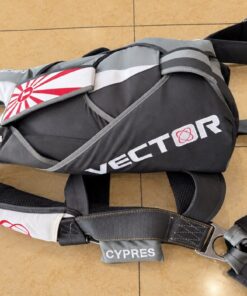

Used Vector V317

€1,400.00
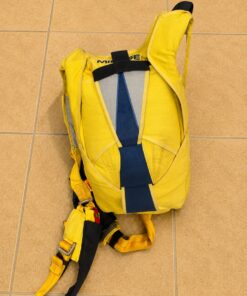
Used Vector V317 Harness/Container
Used UPT Vector V317 harness/container, DOM 2019, with approximately 450 total jumps on the rig. The system is reported to be in great condition and received a complete reharness in 2025, with zero jumps on the replacement harness since the work was completed.
Originally built around a jumper approximately 178 cm tall and 78 kg, with a stated 17+1 main lift web.
Key details:
- Vector V317
- DOM 2019
- Approx. 450 jumps on the rig
- Complete reharness in 2025
- 0 jumps on the new harness
- MLW size: 17+1
- Original fit reference: approx. 178 cm / 78 kg
- Great reported overall condition
- Fits Optimum 143
- Fits PD Reserve 126
- Fits Smart 120
- Fits Valkyrie 75 – full fit
- Fits Sabre2 97 – full fit
- Fits Velocity 75 – full fit
- Fits Horizon 120 – full fit
This is an attractive compact harness/container for an experienced jumper whose body measurements and intended canopy combination match the system. The reharness work, current harness dimensions, container condition and canopy compatibility has been verified by a qualified rigger.
Used Vector V317 – Reharnessed UPT Vector 3 Micron Skydiving Harness/Container
The Used Vector V317 is a compact United Parachute Technologies Vector 3 Micron harness/container offered as a harness/container system rather than a complete parachute rig with main and reserve canopies included.
According to the supplied equipment information, this V317 was manufactured in 2019 for a jumper approximately 178 cm tall and 78 kg.
The stated main lift web size is 17+1 Used UPT Vector V317.
Approximately 450 jumps are reported on the rig/container overall.
Importantly, the system is also reported to have received a complete reharness in 2025, with zero jumps placed on the new harness since that work was completed.
The rig is described as being in great condition.
That combination makes this an interesting used harness/container for an appropriately sized and experienced jumper seeking a compact Vector platform, particularly because the container has an established jump history while the seller reports that the structural harness was replaced much more recently.
The reharness should nevertheless be verified through UPT or qualified rigger documentation, including exactly what components were replaced, who completed the work and whether any manufacturer inspection or modification records are available.
Vector V317
The Vector V317 is part of United Parachute Technologies’ compact Micron container range.
UPT’s current sizing chart identifies the V317 as a container measuring approximately:
10-inch width A
10-inch width B
16.5-inch container length
5-inch thickness
The V317 is engineered around comparatively compact main and reserve canopy volumes.
That makes accurate canopy selection especially important.
Manufactured in 2019
The harness/container is reported as having a 2019 date of manufacture.
Why the Manufacture Date Matters
DOM gives buyers a useful reference for:
Original construction age
Service history
Modification history
Jump history
Inspection planning
However, DOM alone does not determine airworthiness.
Actual condition and documented service matter considerably more.
Built for Approximately 178 cm Height
The original system is reported to have been made for a jumper approximately 178 cm tall.
Why Height Helps
Height provides a rough starting point when estimating harness fit.
Why Height Is Not Enough
Two people who are both 178 cm tall can have very different:
Torso lengths
Waist dimensions
Hip dimensions
Thigh dimensions
Shoulder proportions
Therefore, the actual harness measurements should be compared with the prospective jumper.
Built for Approximately 78 kg
The original build weight is reported as approximately 78 kg.
Why Weight Matters
Body mass influences how the harness sits around the waist, legs and torso.
Why Weight Alone Cannot Determine Fit
A jumper at 78 kg may have substantially different body proportions from another jumper at the same weight.
MLW Size 17+1
The seller identifies the main lift web as 17+1.
Why Main Lift Web Size Matters
The main lift web is one of the most important dimensions affecting harness fit.
It influences:
Harness position on the torso
Three-ring position
Chest-strap location
Emergency-handle placement
Container position
Why 17+1 Should Be Confirmed
The actual harness label and service documentation should be checked before purchase.
Approximately 450 Total Rig Jumps
The container is reported to have approximately 450 jumps in total.
Why Jump Count Matters
Repeated skydives expose a harness/container to:
Opening loads
Aircraft abrasion
Packing cycles
Ground handling
Sunlight
Moisture
Hardware movement
Why 450 Jumps Does Not Automatically Mean Heavy Wear
Condition depends greatly on how the equipment was used, maintained and stored.
Complete Reharness in 2025
One of the most important seller-stated details is the complete 2025 reharness.
What Reharnessing Means
A complete reharness generally refers to replacement of the structural harness portion of the system while retaining the compatible container assembly.
Why This Can Add Value
Structural harness webbing accumulates wear from:
Deployment loads
Leg-strap adjustment
Aircraft movement
Sweat
Dirt
General use
Replacement can therefore renew important structural and fit-related components.
Zero Jumps Since Reharness
The seller reports zero jumps on the harness since the 2025 reharness.
Why This Is Significant
If documentation confirms the work, the new harness portion should have no operational jump wear after the service.
Why Documentation Still Matters
A buyer should verify:
Date of work
Who completed the work
What was replaced
Harness measurements
Inspection status
Great Overall Condition
The rig is described as being in great condition.
Why Physical Inspection Is Still Necessary
Condition claims should be confirmed by examining:
Container fabric
Harness webbing
Stitching
Three-ring assemblies
Hardware
Pin covers
BOC pouch
Handle pockets
Reserve tray
Main tray
Fits PD Optimum 143
UPT’s current V317 sizing chart lists the Optimum 143 as a standard-fit reserve option.
Why This Matters
The reserve tray is designed around specific pack-volume ranges.
Correct reserve fit can support predictable closing and deployment geometry.
Fits PD Reserve 126
The V317 sizing chart also lists the PD 126 as a standard-fit reserve.
Why This Matters
A conventional PD reserve 126 represents another published reserve option for the container.
Fits Smart 120
UPT currently lists the Smart 120 as a full-fit reserve for the V317.
Why Full Fit Matters
A full-fit canopy generally creates a tighter pack volume than a standard-fit combination.
Packing should therefore be performed by an appropriately qualified rigger familiar with the exact container and reserve.
Fits Valkyrie 75 – Full Fit
The seller listed “Valkery 75,” which corresponds to the Valkyrie 75.
UPT identifies the Valkyrie 75 as a full-fit main for the V317.
Important Experience Consideration
A Valkyrie 75 is a very small high-performance main canopy.
Physical container compatibility does not mean it is appropriate for every jumper.
Canopy suitability must be evaluated separately based on exit weight, experience, currency and demonstrated canopy-piloting competence.
Fits Sabre2 97 – Full Fit
The Sabre2 97 is also listed by UPT as a V317 full-fit main.
Why This Matters
This gives the container compatibility with a different canopy category from highly specialized cross-braced designs.
However, a 97-square-foot main is still small and should only be selected through appropriate canopy progression.
Fits Velocity 75 – Full Fit
UPT lists the Velocity 75 as another full-fit main for the V317.
Why Experience Matters
A canopy of this size and design belongs to a specialized high-performance category.
Container fit and pilot suitability are completely separate questions.
Fits Horizon 120 – Full Fit
The Horizon 120 is listed as a full-fit main for the V317.
Why This Is an Interesting Combination
Low-bulk canopy construction allows certain larger-square-foot canopies to fit compact containers.
Actual packing compatibility should still follow UPT’s current guidance.
Why Main and Reserve Fit Must Be Verified Separately
A container has separate main and reserve tray requirements.
Why This Matters
A main fitting correctly does not automatically mean any reserve will fit.
Likewise, reserve compatibility does not establish main compatibility.
Why the Published Sizing Chart Matters
UPT provides dedicated canopy-fit guidance for each Vector container size.
Why Buyers Should Use Manufacturer Data
Online seller descriptions may be incomplete or outdated.
The current manufacturer chart should therefore be checked before changing canopy combinations.
Why Full Fit and Standard Fit Are Different
A standard-fit canopy generally occupies less available container volume.
A full-fit canopy uses more of the available volume.
Why This Matters to Packing
Pack volume affects:
Closing effort
Container shape
Deployment-bag fit
Pin tension
Why a Qualified Rigger Should Evaluate Changes
Different canopy models of the same nominal square footage can pack differently.
Harness Fit After Reharnessing
Because the system was reportedly completely reharnessed in 2025, the current harness dimensions are more important than the original 2019 dimensions.
Why This Matters
Reharness work can alter or reproduce:
Main lift web length
Laterals
Leg straps
Leg pads
Harness geometry
Why Current Measurements Should Be Requested
The buyer should confirm the post-reharness specification rather than assuming it is identical to the original build.
Why the New Harness Can Be a Major Advantage
If professionally completed and documented, a recent reharness can significantly reduce concerns about accumulated harness-webbing wear.
Areas Potentially Benefiting
Main lift web
Leg-strap webbing
Harness junctions
Associated structural stitching
Why the Container Still Has Its Original Jump History
Reharnessing does not make the entire system new.
The container itself still has the reported approximately 450-jump history.
Therefore Inspect
Main tray
Reserve tray
Flaps
BOC
Pin covers
Internal surfaces
Bridle wear areas
BOC Pouch
The bottom-of-container pouch retains the main pilot chute.
Why Condition Matters
Elasticity and security should be evaluated.
Why a Loose Pouch Needs Attention
Pilot-chute security during freefall is critical.
Three-Ring Release System
The harness/container incorporates a three-ring main release arrangement.
Why This Matters
The system provides mechanical leverage for releasing the main canopy during emergency procedures.
Inspection Areas
Rings
Webbing
Cable housings
Release cables
Loops
Emergency Handles
The cutaway and reserve handles should remain secure and accessible.
Why Fit Changes Handle Access
Harness dimensions determine where those handles sit relative to the jumper.
Reserve Container
The reserve tray should be inspected internally.
Why This Matters
The reserve container is part of the emergency deployment system.
Rigger Inspection Should Include
Closing-loop condition
Pilot-chute condition
Flap condition
Pin condition
AAD installation if fitted
Main Container
The main tray should be inspected for wear.
Why Packing Cycles Matter
Repeated packing can create abrasion at common contact areas.
Container Fabric
Look for:
Abrasion
Cuts
Burns
Contamination
Poor repairs
Why Fabric Condition Matters
The container protects deployment components throughout the jump.
Stitching
Structural and container stitching should remain intact.
Areas to Examine
Harness/container junctions
Flaps
Handle pockets
BOC area
Bridle contact areas
Hardware
Metal hardware should be free from:
Cracks
Deformation
Severe corrosion
Sharp edges
Why Sharp Edges Matter
They can damage webbing.
parachute jump australia
parachute jump australia searches often relate to drop zones, licensing and personal parachute equipment used within Australia.
Any imported or used Vector system should meet the requirements of the intended local operation.
skydive byron bay
skydive byron bay relates to jumping activity in the Byron Bay region.
A personally owned harness/container should be cleared according to the drop zone’s equipment procedures.
weight limit skydiving
weight limit skydiving is relevant to both harness fit and canopy loading.
The original 78 kg build reference does not define an absolute weight limit for the current harness.
cairns skydiving
cairns skydiving refers to operations around Cairns.
Local gear requirements should be confirmed before travelling with personal equipment.
skydiving helmet
A skydiving helmet is separate from the harness/container but remains part of the jumper’s complete personal setup.
skydive helmets
skydive helmets should fit securely without affecting visual awareness or equipment access.
hook blade knife
A hook blade knife may be carried separately as an emergency cutting tool.
tracking jump
A tracking jump creates horizontal movement and requires correct group planning.
The harness/container should remain stable and all handles should remain protected throughout the movement.
parachute rig
A parachute rig combines the harness/container with compatible main, reserve and deployment components.
This sale is described as the harness/container rather than a complete canopy package.
linewear
linewear concerns canopy suspension lines rather than the harness/container.
Any main canopy installed later should be inspected independently.
base jumping
base jumping uses specialized equipment and procedures.
A Vector V317 is a sport skydiving harness/container and should not be represented as a dedicated BASE rig.
sky helmet skydiving
A sky helmet skydiving setup should complement the rest of the jumper’s equipment without interfering with movement or visibility.
wingsuit sport
wingsuit sport introduces specialized deployment and equipment considerations.
Compatibility should be evaluated for the jumper’s exact configuration and experience.
vector wingsuit
vector wingsuit searches often involve Vector harness/container configurations used by wingsuit flyers.
The V317 itself is a compact container, but canopy choice, pilot-chute configuration and discipline suitability should be considered together.
full face skydiving helmet
A full face skydiving helmet provides facial coverage and should remain separate from harness fit considerations.
skydiving downsizing chart
A skydiving downsizing chart should not be used as the only basis for selecting one of the small main canopies that fit this container.
Experience, currency, coaching and exit weight matter.
landing flight risers
landing flight risers belong to the main canopy connection system.
Riser compatibility should be checked with the installed main.
fire parachute
A fire parachute phrase is unrelated to this harness/container’s technical specification.
cypress fire skydiving
The phrase cypress fire skydiving appears to mix AAD terminology with unrelated wording.
If an AAD is installed, its exact model, serial number, age and service status should be verified.
skydiving rigging
skydiving rigging is essential when configuring a used V317.
Reserve installation, harness inspection, canopy compatibility and AAD installation should be handled by appropriately qualified personnel.
baseline jumping
baseline jumping should not be confused with ordinary sport skydiving equipment use.
Different disciplines require their own training and gear.
sky diving helmet
A sky diving helmet remains a separate personal protective component.
hook knife skydiving
A hook knife skydiving setup should be positioned where it can be reached without interfering with the harness or emergency handles.
landing flight risers
The repeated phrase landing flight risers again relates to canopy connection hardware rather than the Vector container itself.
skydiving glasses
skydiving glasses or goggles can be used with an open-face helmet to protect the eyes.
nude parachute jump
A nude parachute jump has no relationship to the structural condition or compatibility of this harness/container.
Normal drop-zone rules and equipment procedures still apply.
ifly colorado springs
ifly colorado springs is an indoor bodyflight facility.
Tunnel training develops freefall skills but does not replace parachute-system training.
skydive hook knife
A skydive hook knife is a separate emergency tool and should be accessible without obstructing the harness.
skydiving helmet full face
A skydiving helmet full face can provide wind and facial protection during freefall.
skydiving blue hole belize
skydiving blue hole belize refers to destination jumping.
Anyone travelling with a personal rig should check transport and local equipment requirements.
smallest canopy
The smallest canopy that physically fits a container should never automatically be considered the right canopy for the jumper.
Canopy compatibility and pilot suitability are separate.
skydiving speed
skydiving speed varies by discipline and body position.
The harness must remain secure and stable throughout the jumper’s intended freefall orientations.
wing suits for sale
wing suits for sale concerns aerodynamic flight garments rather than this harness/container.
skydiving nude
skydiving nude is unrelated to the technical design of the system.
parts of a parachute
The parts of a parachute system include:
Harness
Container
Main canopy
Reserve canopy
Risers
Deployment bag
Pilot chute
Handles
AAD when installed
The V317 provides the harness/container foundation onto which the compatible components are assembled.
container skydive
A container skydive system holds and protects both the main and reserve components.
Correct container sizing therefore matters greatly.
g35 helmet
A g35 helmet is a separate skydiving helmet and is not included unless explicitly stated by the seller.
best skydiving helmet
The best skydiving helmet depends on the jumper’s discipline, comfort and fit requirements.
skydive belize
skydive belize relates to destination jumping rather than the V317 specification.
freefly pud handle
A freefly pud handle is one type of main deployment handle.
The exact handle fitted to the container should be confirmed rather than assumed.
gliding suit wingsuit
A gliding suit wingsuit creates significant aerodynamic surface area.
Any specialized freefall setup should maintain secure deployment handles and stable container geometry.
jumper pilot
A jumper pilot must remain responsible for canopy selection and safe flight regardless of how compact or advanced the rig is.
crw skydiving
crw skydiving involves canopy-relative flight and may require specialized equipment considerations.
gear bag skydive
A gear bag skydive setup helps protect the container from dirt, abrasion and unnecessary UV exposure during transport.
skydiving equipment list
A typical skydiving equipment list includes:
Harness/container
Main canopy
Reserve canopy
AAD
Risers
Pilot chute
Helmet
Altimeter
Jumpsuit
This V317 represents the central harness/container component of such a setup.
indoor wingsuit
indoor wingsuit training involves specialized wind facilities and is separate from parachute equipment operation.
can you wear glasses while skydiving
For can you wear glasses while skydiving, suitable goggles or compatible helmets can accommodate many prescription-glasses setups.
wingsuit
A wingsuit affects freefall performance and deployment considerations.
The container should be configured appropriately for the discipline.
skydiving website
A reputable skydiving website should prioritize manufacturer manuals and current sizing information when discussing life-support equipment.
cookie g4 helmet
A cookie g4 helmet is a separate full-face helmet and is not part of this harness/container listing.
base canopy
A base canopy is designed for a different parachuting environment and should not be confused with compatible sport main canopies for this container.
new skydive
A new skydive participant should not choose this compact container solely because of its size or appearance.
The canopy combinations typically installed in a V317 may demand substantial experience.
#skydiving latest
#skydiving latest may refer to current online skydiving content, but technical decisions should be based on manufacturer information and qualified rigging advice.
canopy flight
canopy flight suitability depends on the actual main canopy installed.
The container itself does not determine the pilot’s appropriate canopy size.
skydiver goggles
skydiver goggles provide eye protection during freefall and remain separate from the rig.
speed sky diving
speed sky diving can involve extreme freefall velocity and specialist equipment considerations.
Rig configuration should be appropriate for the discipline.
fly suits
fly suits encompass freefly, formation, tracking and other specialized garments.
They should not interfere with deployment handles.
skydiving rig
A skydiving rig becomes complete only when the harness/container is properly assembled with compatible life-support components.
The V317 should therefore be considered the structural foundation of a complete system rather than an entire jump-ready package by itself.
safire 3
The safire 3 is a sport main canopy family.
Any specific size considered for installation should be checked against current manufacturer pack-volume guidance.
skydiving gliding suit
A skydiving gliding suit changes aerodynamic bodyflight characteristics but does not change the need for secure handles and correct harness fit.
fluid wings
fluid wings manufactures sport parachute canopies.
A canopy should never be selected merely because its nominal square footage resembles another model on the fit chart; pack volumes vary.
price of wingsuit
The price of wingsuit equipment is unrelated to the value of the V317 harness/container itself.
tandem wingsuit
A tandem wingsuit phrase is not relevant to the intended configuration of this compact personal sport harness/container.
skydiving tube
A skydiving tube is specialized freefall equipment and is unrelated to the primary construction of the V317.
Why the 2025 Reharness Is Important
A recently replaced harness is potentially one of the strongest selling features of this system.
The container may have approximately 450 total jumps, yet the seller reports that the replacement harness has zero jumps.
Why This Distinction Matters
Container wear and harness wear should be evaluated separately.
What the Buyer Should Request
Reharness invoice
Service date
Rigger or manufacturer details
Current harness measurements
Any inspection paperwork
Why the 17+1 MLW Matters
Main lift web sizing strongly influences the way a Vector fits the jumper.
The correct MLW length helps position:
Three-rings
Chest strap
Emergency handles
Container
Leg straps
Why Fit Is More Than 178 cm and 78 kg
Height and body weight provide only a rough reference.
Other Dimensions Matter
Torso
Waist
Hips
Thighs
Inseam
Shoulders
Why a Harness Fit Check Is Essential
A prospective buyer should wear the harness correctly adjusted.
Check
Main lift web position
Laterals
Leg pads
Chest strap
Three-ring location
Cutaway handle reach
Reserve handle reach
Why Handle Access Matters
Both emergency handles must be readily accessible in the jumper’s normal body positions.
Why the V317 Is a Compact Container
Its published main and reserve compatibility centers on relatively small or low-bulk canopies.
That compact geometry can provide a streamlined rig profile.
Why Compact Does Not Mean Beginner-Oriented
Several of the compatible mains are highly advanced canopies.
Why Canopy Choice Must Remain Independent
The fact that a particular canopy packs into the V317 does not mean the prospective owner should fly it.
Main Selection Should Consider
Exit weight
Current canopy size
Recent jump numbers
Currency
Landing performance
Formal coaching
Why the Sabre2 97 Fit Matters
The Sabre2 97 provides one published full-fit main example.
However, it remains a small main canopy.
Why the Valkyrie 75 Fit Matters
The Valkyrie 75 demonstrates the compact volume the V317 can accommodate.
It is a highly specialized canopy and requires appropriate progression.
Why the Velocity 75 Fit Matters
The Velocity 75 is another high-performance full-fit option.
Again, packing compatibility is not a recommendation for a particular jumper.
Why the Horizon 120 Fit Matters
The Horizon 120 demonstrates the effect of low-bulk canopy construction.
A comparatively larger wing can fit a compact main tray because pack volume is not determined by square footage alone.
Why Reserve Selection Matters
Emergency canopy choice deserves conservative planning.
Consider
Total suspended weight
Manufacturer limitations
Container compatibility
Experience
Landing environment
Why the Optimum 143 Is Attractive
The low-bulk construction can provide more reserve area within a compact container than some conventional fabrics permit.
Why PD 126 Remains an Option
The conventional PD 126 is another manufacturer-listed standard-fit reserve for this container.
Why Smart 120 Is Listed Differently
The Smart 120 appears as a full-fit reserve rather than a standard-fit reserve.
Why This Matters
Full-fit reserve configurations may require greater packing care and should be assessed by the rigger actually assembling the system.
Why Great Cosmetic Condition Is Not Enough
A life-support system should be judged structurally.
Important Areas
Harness webbing
Structural stitching
Three-rings
Reserve tray
Main tray
BOC
Hardware
Handle pockets
Pin protection
Why the Reharness Should Be Professionally Verified
The work represents a major structural service event.
Accurate records increase buyer confidence and simplify future inspections.
Where This V317 May Fit Best
This harness/container may appeal to an experienced sport skydiver who:
Is physically close to the current harness dimensions
Uses a compatible main canopy
Uses a compatible reserve
Values a compact container
Wants the benefit of a reportedly fresh 2025 harness
When This Rig Makes Sense
It can make sense when:
The harness fits correctly
The intended canopies fall within current UPT guidance
The jumper is appropriately experienced for the selected main
The 2025 reharness is documented
The system passes professional inspection
Important Pre-Purchase Inspection
A qualified rigger should inspect:
Current harness geometry
Reharness work
Container fabric
Main tray
Reserve tray
Three-rings
Hardware
Cable housings
Handle pockets
BOC pouch
Structural stitching
Documentation to Request
The buyer should request:
2019 original data information
Serial number
2025 reharness paperwork
Current harness measurements
Repair history
Approximate jump history
Why Serial Number Verification Matters
The serial number allows the exact system to be identified rather than relying solely on model designation.
Why Manufacturer Records Can Add Confidence
Where records are available, they may help establish original build details or service information.
Why This System Has Strong Used-Market Appeal
The combination is unusual:
2019 container
Approximately 450 container jumps
Complete 2025 reharness
Zero reported jumps on the new harness
Compact V317 sizing
Published compatibility with several well-known canopy combinations
Final Section 1 Assessment
This Used Vector V317 is a compact UPT Vector 3 Micron harness/container with an especially interesting service history.
The system is reported to have been manufactured in 2019 for a jumper around 178 cm and 78 kg, with a stated 17+1 main lift web and approximately 450 jumps on the rig/container overall.
Most importantly, the seller reports that the rig received a complete reharness in 2025 and that the replacement harness has zero jumps since the work was completed.
That distinction is valuable.
The container itself retains its previous usage history, while the structural harness is reported to be effectively unused after replacement.
However, the reharness should be supported by documentation identifying the work performed, the resulting harness dimensions and the responsible manufacturer or qualified rigger.
The canopy-fit information is also strongly supported by UPT’s current published V317 chart.
UPT lists the Horizon 120, Sabre2 97, Valkyrie 75 and Velocity 75 as full-fit main combinations for the V317. For reserves, the chart lists Optimum 143 and PD 126 as standard fits, while the Smart 120 is identified as a full fit.
That published compatibility makes the V317 versatile within a very compact canopy-volume range.
However, it should never be interpreted as a canopy recommendation.
A Valkyrie 75, Velocity 75 or even a Sabre2 97 may be inappropriate for many jumpers regardless of whether the canopy fits physically inside the container.
Canopy choice must instead reflect exit weight, previous canopy experience, currency, landing consistency and qualified coaching.
Harness fit requires the same individualized approach.
UPT identifies the main lift web as one of the major factors governing Vector harness fit and also describes the laterals, leg-pad dimensions and harness geometry as important parts of the overall system.
Therefore, the original 178 cm / 78 kg reference should be treated only as an initial guide.
A prospective owner should verify the current post-reharness dimensions and perform a proper fit check that confirms main lift web position, leg-strap placement, chest-strap location and easy access to both emergency handles.
Condition should also be evaluated separately from appearance.
The seller describes the rig as being in great condition, but an appropriately qualified rigger should inspect the container fabric, structural stitching, three-ring areas, hardware, main and reserve trays, pin covers, handle pockets and bottom-of-container pilot-chute pouch.
For a suitably experienced jumper whose measurements and canopy requirements match the V317, this system can offer an attractive combination of compact Vector construction, broad manufacturer-documented canopy compatibility and a reportedly fresh structural harness.
Before being placed into service, however, the 2025 reharness should be documented, the exact current harness measurements should be confirmed, all structural areas should be professionally inspected, and the intended main and reserve combination should be verified against UPT’s current guidance.
Harness Fit, Reharness Quality, Container Condition, Canopy Compatibility, Inspection, Maintenance and Real-World Ownership
Overall Character of the System
The Used Vector V317 is best understood as a compact sport-skydiving harness/container intended for jumpers who already know exactly what type of canopy combination, harness geometry and equipment profile they need.
It is not simply a fabric container that holds a main and reserve canopy.
The harness, container, three-ring system, deployment components, handle placement, reserve tray and main tray all work together as one life-support system.
That makes fit, configuration and structural condition extremely important.
According to the supplied information, this example was manufactured in 2019 and has approximately 450 total jumps on the rig.
The most notable update is the reported complete reharness performed in 2025, with no jumps placed on the replacement harness since that work was completed.
That combination can be attractive because the container has an established operational history while the structural harness is reported to be essentially unused after replacement.
However, the rig should still be treated as a used system.
The container, internal surfaces, closing areas, BOC pouch, flap system and other original components still carry their previous history.
Why the 2025 Reharness Changes the Buying Picture
A complete reharness is a major service event.
It is more significant than replacing a worn elastic component or changing a handle.
The harness carries the jumper and transmits deployment and canopy loads through the system.
Why This Can Add Value
If the reharness was completed correctly and documented, major structural webbing may have substantially less wear than the rest of the container.
Why Documentation Matters
The buyer should request records showing:
Date of the work
Who performed the work
What sections were replaced
Current harness dimensions
Any manufacturer involvement
Any associated inspection
Why Zero Jumps Since Reharness Is Important
The seller reports that the new harness has not been jumped.
That means there should be no operational deployment cycles on the replacement harness after the service.
Why This Does Not Make the Entire Rig New
The container itself still has approximately 450 reported jumps.
Therefore, the buyer should separate the condition of the harness from the condition of the container.
Harness Fit
The harness was originally associated with a jumper around 178 cm and 78 kg.
The main lift web is stated as 17+1.
These measurements provide a useful initial reference.
Why They Are Not Enough
Harness fit depends on more than height and body weight.
Important Fit Variables
Torso length
Shoulder width
Chest circumference
Waist
Hip width
Thigh circumference
Inseam
Body proportions
Why Torso Length Matters
Main lift web length helps determine how the rig sits vertically on the body.
If the harness is too long, the system may sit lower than intended.
If it is too short, the harness may feel restrictive.
Why Shoulder Position Matters
The harness should sit naturally without excessive pressure.
Why Leg-Strap Position Matters
Leg straps should remain secure without creating poor geometry or uncomfortable pressure.
Why Main Lift Web Position Matters
Correct position supports proper relationship between:
Three-rings
Chest strap
Emergency handles
Container
Leg straps
Why a Suspended Harness Check Is Useful
A suspended check can reveal fit characteristics that are harder to evaluate while standing.
What to Check
Leg-strap pressure
Handle reach
Container position
Main lift web position
Body movement
Why Handle Access Is Critical
The jumper must be able to reach both emergency handles reliably.
Cutaway Handle
It should sit where it can be found quickly and deliberately.
Reserve Handle
The reserve handle should also remain accessible in the normal harness position.
Why Handle Position Can Change With Fit
A harness built for a different body shape can place handles too high, too low or too far from the jumper’s natural reach.
Chest Strap
The chest strap should sit correctly and adjust normally.
Why This Matters
Incorrect placement can affect comfort and harness geometry.
Laterals
The lateral area helps position the container against the jumper’s back.
Why Lateral Fit Matters
Poor lateral sizing can allow excessive movement.
Why Excessive Container Movement Is Undesirable
The rig should remain stable during freefall and deployment.
Leg Pads
The leg pads should distribute pressure comfortably.
Why Pad Position Matters
Poor placement can make canopy flight uncomfortable.
Fit After Reharness
The current fit may differ from the original 2019 configuration.
Why This Matters
A reharness can change the effective dimensions of the system.
Why Current Measurements Are More Important Than Original Measurements
The buyer will wear the 2025 harness, not the original one.
Container Condition
The container should be inspected independently from the new harness.
Why This Matters
The container has the reported 450-jump history.
Areas That Deserve Attention
Main tray
Reserve tray
Flaps
BOC pouch
Handle pockets
Pin covers
Internal surfaces
Bridle contact areas
Main Tray
The main tray should remain clean and structurally sound.
Why Repeated Packing Matters
Packing cycles can create abrasion and compression wear.
What to Inspect
Fabric
Stitching
Corners
Bag contact areas
Closing-loop area
Reserve Tray
The reserve container should receive particularly careful inspection.
Why This Matters
The reserve tray is part of the emergency deployment system.
What to Check
Internal fabric
Closing-loop area
Flaps
Pilot-chute pocketing
AAD installation area
Reserve Flaps
The flaps should remain structurally sound.
Why This Matters
They protect the packed reserve and closing system.
Main Closing Flaps
The main flaps should retain their intended shape.
Why This Matters
Container geometry affects pin protection and deployment.
Pin Protection
The closing pin should remain protected from accidental displacement.
Why Pin Protection Matters
Unintended main-container opening can create serious problems.
BOC Pouch
The bottom-of-container pouch should be checked for security and wear.
Why This Area Matters
The pilot chute must stay secure until deliberate deployment.
Check For
Loose elastic
Damage
Stretched material
Poor retention
Why a Loose Pouch Needs Attention
Pilot-chute security is critical during freefall.
Main Deployment Handle
The exact handle configuration should be identified.
Why This Matters
Different handles can change extraction feel and retention.
Why Freefly Security Matters
A secure handle should resist unintended movement while remaining easy to extract deliberately.
Reserve Handle Pocket
The reserve handle should sit securely.
Why This Matters
It must remain protected during normal movement.
Cutaway Handle Pocket
The same principle applies to the cutaway handle.
Why Both Handles Must Be Checked
Handle retention and accessibility are equally important.
Three-Ring Release System
The three-ring system is a critical part of the main release mechanism.
Why It Matters
It allows substantial load reduction during cutaway when correctly assembled.
Inspection Areas
Ring condition
Webbing
Release loops
Cable routing
Housing ends
Why Ring Condition Matters
Damage or deformation can affect release geometry.
Release Cables
The cables should remain clean and correctly routed.
Why This Matters
Smooth release operation depends on proper routing and maintenance.
Why Maintenance Should Follow Manufacturer Guidance
Improvised treatment can introduce new problems.
Hardware Condition
Metal hardware should be checked carefully.
Look For
Cracks
Corrosion
Sharp edges
Distortion
Why Sharp Edges Matter
They can damage harness webbing.
Why Corrosion Matters
Corrosion can weaken hardware or create rough surfaces.
Stitching
Structural stitching deserves close examination.
Areas to Inspect
Harness/container junctions
Flaps
Handle pockets
BOC area
Three-ring areas
Why Broken Stitching Matters
Small structural changes can grow under repeated load.
Container Fabric
The outer fabric should be inspected for wear.
Look For
Abrasion
Cuts
Burns
Contamination
Poor repairs
Why Cosmetic Wear Is Not Always Serious
Surface scuffing may not affect function.
Why Structural Damage Is Different
Damage to load-bearing areas or deployment interfaces requires professional evaluation.
Main Canopy Compatibility
The V317 is designed around compact canopy volumes.
Why This Matters
The main tray is not intended for every canopy size.
Full-Fit Combinations
Several compatible mains are described as full fits.
Why Full Fit Matters
A full-fit canopy uses more available container volume.
Practical Effects
Packing can be firmer.
Closing effort can be higher.
Container shape can be tighter.
Why Packing Experience Matters
A packer familiar with the canopy and container combination may achieve more consistent results.
Why Pack Volume Matters More Than Square Footage Alone
Different canopy materials and construction styles can produce very different pack volumes.
Why This Is Important
A larger low-bulk canopy may fit where a smaller conventional canopy does not pack the same way.
Reserve Compatibility
Reserve tray sizing deserves conservative attention.
Why This Matters
The reserve must fit within approved limits while remaining packable and deployable.
Standard Fit Versus Full Fit
A standard-fit reserve generally leaves more packing margin than a full-fit reserve.
Why This Affects Rigger Work
A full-fit reserve can require more care during packing and closing.
Why Reserve Size Should Not Be Chosen Only for Convenience
Reserve suitability should reflect total suspended weight and emergency landing needs.
Why Larger Reserve Area Can Be Valuable
A larger reserve may provide lower wing loading for the same jumper.
Why Container Limits Still Matter
The reserve must remain within the approved capacity of the container.
Why Pilot Suitability Is Separate From Container Fit
A canopy can fit perfectly inside the rig and still be inappropriate for the person flying it.
Why This Distinction Matters
Container geometry answers one question.
Pilot experience answers another.
Factors Affecting Main Canopy Suitability
Exit weight
Current canopy size
Recent jump numbers
Currency
Landing accuracy
Canopy-course history
Why Recent Experience Matters
A jumper returning after a long break may not have the same current capability as before.
Why Canopy Downsizing Should Remain Progressive
Moving to a smaller or more responsive canopy increases workload.
Why a Compact Rig Can Create Pressure to Downsize
Some buyers may want a canopy that matches the container rather than one that matches their skill level.
Why This Is the Wrong Order
The canopy should suit the jumper first.
The container should then suit the canopy.
Main Canopy Change
If the buyer intends to install a different main, the exact pack volume should be checked.
Why Model Name Alone Is Not Enough
Different generations and materials can pack differently.
Reserve Change
Any reserve change should be reviewed by a qualified rigger.
Why This Matters
Reserve volume and container geometry are safety-critical.
AAD Compatibility
If an automatic activation device is installed, its exact model and configuration should be identified.
Why This Matters
Installation must be appropriate for the reserve container.
Check
Processing unit
Cutter placement
Control unit
Cabling
Why Routing Matters
Incorrect installation can affect reliability.
Why the Device Is Only an Additional Layer
It does not replace altitude awareness or emergency procedures.
Main Deployment Bag
The deployment bag should fit the main canopy and container correctly.
Why This Matters
The bag controls part of the opening sequence.
Check For
Fabric wear
Grommet condition
Line-stow condition
Bridle attachment
Why Bag Wear Matters
Repeated deployments can create abrasion.
Bridle
The bridle should be inspected.
Check
Fabric
Stitching
Attachment points
Why This Matters
It transfers pilot-chute extraction force to the deployment bag.
Pilot Chute
The pilot chute should be appropriate for the system.
Why This Matters
Pilot-chute size, condition and configuration affect deployment.
Check
Fabric
Mesh
Kill line
Handle
Bridle connection
Why Pilot-Chute Wear Matters
Fabric and mesh can degrade over time.
Closing Loop
The main closing loop should remain in serviceable condition.
Why This Matters
It experiences friction during every packing cycle.
Replace Worn Loops
Closing loops should not be allowed to become excessively worn.
Why This Is Simple but Important
Small inexpensive components can have a critical role.
Reserve Closing Components
Reserve components should be handled only by qualified personnel.
Why This Matters
The reserve system must remain correctly assembled.
Riser Compatibility
The risers installed with the main canopy should match the harness and canopy configuration.
Why Riser Length Matters
It can affect:
Control reach
Body position
Canopy geometry
Three-Ring Compatibility
The main release rings should match the harness system correctly.
Why This Matters
Release geometry depends on proper component matching.
Brake Setup
Brake lines and toggles should be set appropriately.
Why This Matters
Improper setup can affect opening and control.
Pre-Purchase Inspection
A rigger inspection before purchase can be extremely valuable.
Why This Matters
Hidden wear may not appear in photos.
What a Rigger Can Evaluate
Harness condition
Reharness work
Container wear
Three-rings
Hardware
BOC pouch
Flaps
Reserve tray
Why Documentation Should Be Compared With the Physical Rig
Paperwork should match the actual equipment.
Serial Number
The serial number should be checked.
Why This Matters
It links the physical rig to its service and manufacturing history.
Original Data Label
The label can help confirm manufacturing information.
Why This Matters
It provides a direct source of identity.
Reharness Documentation
This should be especially important in this sale.
Why Buyers Should Ask for It
A complete structural service represents substantial value.
Condition Photos
Detailed photographs can help before an in-person inspection.
Useful Images
Harness webbing
Three-rings
Container backpad
BOC
Reserve pin area
Main pin area
Data label
Why Close-Up Photos Matter
They make wear easier to evaluate remotely.
Great Condition
The seller describes the system as being in great condition.
Why That Statement Is Useful
It provides a general impression.
Why Inspection Still Matters
Condition should be judged structurally, not only cosmetically.
Why a Clean Rig Can Still Need Work
Internal wear or loose elastic may not be obvious.
Why a Marked Rig Can Still Be Serviceable
Cosmetic scuffing may have little structural significance.
Storage History
Ask how the rig has been stored.
Why This Matters
Textile equipment can be affected by environmental conditions.
Ideal Environment
Clean
Dry
Cool
Protected from sunlight
Avoid
Moisture
Extreme heat
Chemical fumes
Long UV exposure
Why UV Matters
Sunlight can weaken textile materials over time.
Why Heat Matters
Extreme temperatures can accelerate material aging.
Why Chemical Exposure Matters
Certain contaminants can damage nylon and other materials.
Gear Bag Storage
A protective bag can reduce contamination and abrasion.
Why This Helps
The container is protected from rough surfaces and dirt.
Transport
The rig should be transported carefully.
Why Vehicle Storage Needs Caution
Cars can become extremely hot.
Why Long-Term Trunk Storage Is Not Ideal
Heat and moisture can accumulate.
Aircraft Use
The container should be protected inside the aircraft.
Why This Matters
Pins, handles and fabric can contact benches, doors and other equipment.
Gear Checks
A consistent equipment check should be performed before use.
Check
Three-rings
Handles
Leg straps
Chest strap
Main pin
Reserve pin area
Pilot chute
Why a Fixed Routine Helps
Repeated procedure makes omissions less likely.
Buddy Check
A second trained jumper can help inspect the rig.
Why This Adds Value
Fresh eyes may notice a problem missed by the wearer.
Freefall Stability
The harness should remain stable during the intended discipline.
Why Fit Influences Stability
A loose or poorly sized harness can move more than intended.
High-Speed Flight
More demanding disciplines can place additional importance on handle security and container stability.
Why Configuration Should Match Discipline
Different freefall styles create different aerodynamic forces.
Wingsuit Use
If the buyer intends to use the rig for wingsuit flying, the complete setup should be reviewed for that discipline.
Why This Matters
Main canopy choice, pilot chute and deployment configuration all matter.
Freefly Use
Handle retention and BOC security deserve particular attention.
Why This Matters
Vertical orientations can expose the system to different airflow.
Tracking Use
A stable container and secure handles remain important.
Why This Matters
Horizontal speed can still create strong airflow around the rig.
Canopy Flight
The harness should remain comfortable after deployment.
Why This Matters
The jumper may spend several minutes under canopy.
Leg-Strap Comfort
Correct adjustment helps distribute load.
Why Too Loose Is Wrong
Loose straps can compromise fit.
Why Too Tight Can Be Uncomfortable
Excess tension can create unnecessary pressure.
Emergency Procedures
The current jumper should practice handle access while wearing the rig.
Why Ground Practice Matters
The post-reharness geometry may feel different from another system.
Why Practice Should Happen Before Jumping
Familiarity is easier to build on the ground.
Reserve Repack
If a reserve is installed, it must remain within the required repack interval.
Why This Matters
Reserve inspection and packing are recurring maintenance requirements.
Why Repack Is a Useful Inspection Opportunity
The rigger can examine internal components.
Long-Term Container Maintenance
Routine care should focus on preserving structural condition.
Avoid Unnecessary Modifications
Changes should not be made casually.
Why This Matters
The system is engineered around specific geometry.
Repairs
Any structural repair should be completed by appropriately qualified personnel.
Why This Matters
Life-support equipment depends on correct materials and stitching.
Replacement Elastic
Wear items may need replacement over time.
Why This Is Normal
Elastic components can lose retention after repeated use.
BOC Maintenance
The pilot-chute pouch should be monitored regularly.
Why This Area Can Wear
It is used on every jump.
Handle Pocket Maintenance
Handle retention areas should also be checked.
Why This Matters
Security and accessibility must remain balanced.
Main Tray Wear
The main tray experiences frequent packing.
Why This Matters
Abrasion can develop gradually.
Reserve Tray Wear
The reserve tray sees less frequent opening but remains safety-critical.
Why This Matters
Low use does not reduce its importance.
Service Records
Keep records of all major work.
Useful Entries
Reharness date
Repairs
Reserve installations
AAD changes
Container modifications
Why Records Matter
They support future inspections and resale.
Resale Value
A documented 2025 reharness can be a strong resale point.
Why Documentation Increases Confidence
Future buyers can verify what was done.
Why Condition Still Matters
The older container components continue to influence value.
Long-Term Ownership Costs
Potential expenses may include:
Reserve repacks
AAD service
Closing loops
BOC maintenance
Handle replacement
Container repair
Rigger inspection
Why a Used Harness/Container Still Needs Budgeting
Life-support equipment requires ongoing maintenance.
Why the Reharness Can Reduce Some Immediate Concerns
Newer harness webbing may reduce worries about accumulated harness wear.
Why It Does Not Eliminate Future Costs
Other components still age normally.
Practical Strengths
The system’s strongest reported features include:
2019 manufacture
Approximately 450 rig jumps
Complete 2025 reharness
Zero jumps on the replacement harness
17+1 main lift web
Compact V317 container
Multiple established canopy-fit options
Great reported condition
Practical Considerations
Important issues still include:
Current harness fit
Reharness documentation
Container wear
Canopy selection
Reserve compatibility
Discipline suitability
Who May Be a Good Match
The system may suit an experienced jumper who:
Fits the post-reharness dimensions
Uses a compatible reserve
Uses a compatible main
Needs a compact container
Values a recently replaced harness
Who May Need Something Different
Another system may be better for someone who:
Needs a larger main canopy
Needs a larger reserve
Does not fit the harness
Wants a larger-volume container
Why Fit Should Come Before Brand Preference
Even an excellent container is poor value if the harness does not fit.
Why Canopy Choice Should Come Before Container Convenience
The jumper should not select a smaller canopy merely because it packs neatly into the rig.
Why Professional Inspection Is Essential
The system should be examined before it is placed into service.
Recommended Final Checks
Confirm serial number
Confirm DOM
Verify 2025 reharness
Confirm current harness dimensions
Inspect structural stitching
Inspect container fabric
Inspect three-ring system
Inspect BOC
Inspect handle pockets
Confirm intended canopy compatibility
Why This Process Protects the Buyer
It reduces uncertainty.
Why It Protects the Seller
The rig’s actual condition can be documented more objectively.
Final Section 2 Assessment
The Used Vector V317 presents a particularly interesting ownership proposition because the reported service history separates the age of the container from the age of the structural harness.
The container is reported as a 2019 system with approximately 450 jumps, while the harness is said to have been completely replaced in 2025 and to have zero jumps since that work was completed.
If the reharness is properly documented, this can represent a meaningful advantage.
The buyer gains a compact, established container platform combined with a much fresher structural harness.
However, the rig should not be treated as entirely new.
The container fabric, main tray, reserve tray, flaps, BOC pouch, pin-protection areas, handle pockets and other retained components still carry their previous use history.
Those areas should be inspected separately.
Fit is another major consideration.
The original reference of approximately 178 cm and 78 kg, together with the stated 17+1 main lift web, provides a useful starting point, but the current post-reharness dimensions matter more.
A buyer should evaluate torso position, laterals, leg straps, chest strap, three-ring position and emergency-handle accessibility while actually wearing the harness.
Canopy compatibility should also be approached carefully.
The V317 is a compact container, and several of the mains that physically fit it are small, high-performance canopies.
Physical pack-volume compatibility should never be treated as a recommendation for a particular jumper.
Main canopy choice should reflect actual exit weight, current experience, recent jump numbers, landing performance and professional coaching.
Reserve selection deserves the same conservative approach.
The reserve must fit the tray correctly while remaining suitable for the jumper’s suspended weight and emergency needs.
Long-term ownership should focus on straightforward preventive care.
Keep the system dry and protected from excessive sunlight, heat and chemical contamination.
Inspect the BOC, flaps, handles, three-ring system, hardware and closing components regularly.
Maintain good service records.
Any structural repair or alteration should be handled by appropriately qualified personnel.
For the right jumper, this V317 can be a compelling used harness/container.
Its combination of a compact Vector platform, a reportedly fresh 2025 harness and established canopy-volume options gives it strong practical value.
Before use, the most important steps are to verify the reharness documentation, confirm the current harness measurements, complete a proper fit check and have the retained container components professionally inspected.
Be the first to review “Used Vector V317”
Related products


used products
used products

used products

used products
used products

used products


used products
Reviews
There are no reviews yet.